Why Are Heart Diseases More Common in Autumn — and How Can We Prevent Them?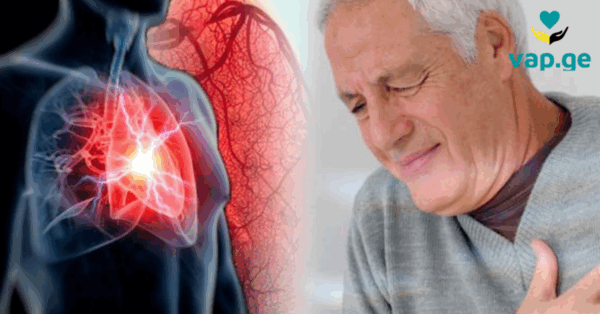
Cardiovascular diseases are the most widespread health concern globally and unfortunately remain one of the leading causes of death, especially due to heart attacks. What makes these illnesses even more dangerous is the fact that they often develop silently, without obvious symptoms — until it is too late.
Despite this, many people still avoid consulting doctors. Instead of taking preventive steps, they visit a cardiologist only when symptoms become unbearable — when they are already in a critical state. Interestingly, cardiologists around the world report that they receive the highest number of heart-related complaints specifically in the autumn season.
But why exactly does autumn pose a higher risk?
The Physiological Effect of Seasonal Change on the Heart
During summer, due to warmer temperatures, blood vessels naturally dilate, allowing smoother circulation and reduced blood pressure. However, when autumn arrives and the temperature begins to drop — even slightly — the opposite occurs. Blood vessels constrict again, causing blood pressure and heart workload to increase. This sudden shift puts powerful stress on the cardiovascular system.
For someone with pre-existing but undiagnosed heart or blood pressure problems, these hidden conditions can quickly escalate during this transitional season. Symptoms may include:
Sudden fatigue or unusual weakness
Shortness of breath even with light activity
Irregular heartbeat or palpitations
Chest discomfort or heaviness
Cold hands or feet due to poor circulation
Light-headedness or dizziness
Sadly, people often ignore these signs, assuming it’s “just autumn tiredness.” This is a dangerous mistake.
Why Prevention Is Critical — Before Symptoms Appear
Medical experts strongly emphasize that heart disease is far easier to prevent than to treat. The American Heart Association repeatedly warns that by the time symptoms become noticeable, the heart may already be under serious strain. This is why autumn should be treated as a seasonal “checkpoint” — a perfect time to reassess your heart health and take protective action.
Cardiologists recommend being especially cautious during this season with the following factors:
Stress — emotional stress can constrict blood vessels and trigger heart rhythm issues
Overworking or fatigue — lack of rest weakens the cardiovascular system
Sudden intense physical activity — especially for people who were inactive during summer
Ignoring hydration and proper nutrition
However, this does not mean you should avoid movement. In fact, the worst thing for the heart is complete inactivity.
What Experts Recommend for a Healthy Heart in Autumn
According to official guidelines from the American Heart Association, the following simple rules can dramatically lower your risk:
✅ Engage in physical activity 5 days a week, at least 30 minutes per session — walking, cycling, active housework, dancing, anything that raises your heartbeat mildly
✅ Eat a heart-friendly diet — prioritize fresh vegetables, fruits, leafy greens and fiber-rich meals
✅ Include fish twice a week — especially salmon, sardines, or trout rich in omega-3 fatty acids
✅ Add nuts and seeds — walnuts, almonds, flaxseed and pumpkin seeds support heart rhythm
✅ Consume cultured and fermented dairy — natural yogurt, kefir, and cottage cheese support vascular health
✅ Maintain stable sleep routines — poor sleep increases blood pressure and inflammation
Remember: small effort daily is far better than short, harsh attempts once in a while.
Extra Autumn Self-Care Tips for Heart Protection
Dress warmly during windy mornings and evenings — temperature shock increases blood pressure suddenly
Avoid heavy, late-night meals — digestion overload forces the heart to work overtime
Practice deep breathing or short relaxation sessions — lowers stress hormones that harm heart tissue
Replace coffee overload with herbal teas — especially hawthorn, mint, or green tea in moderation
Check your blood pressure regularly at home, especially if you are over 35 or have family history of heart issues
Never delay minor warning signs — early diagnosis saves lives
A Message of Care and Responsibility
At first glance, this may seem like a small amount of information. But in reality, these are lifesaving instructions — simple habits that can prevent tragedy. Heart disease is not only about medicine — it’s about awareness, preparedness, and responsibility for your own body.
Please take this seriously and share it with your loved ones — parents, grandparents, friends or colleagues. Very often, one shared health reminder can change — or even save — a life.
There is nothing more precious than health. Let’s protect it before we lose it. Take care of your heart — especially now, as the season changes.