When Should We Avoid Using Medicinal Plants We Know Well? What You Need to Know
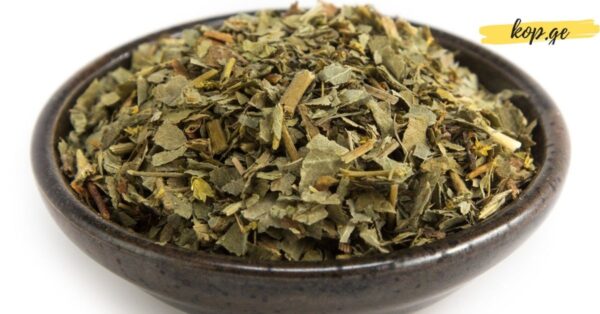
Medicinal plants have been used for centuries as natural remedies for a wide range of health problems. Many people consider herbal medicine to be completely safe simply because it is “natural.” However, this belief can be misleading. Just like pharmaceutical drugs, medicinal plants and preparations made from them can cause unwanted effects, especially when used incorrectly, in excessive doses, for long periods of time, or by people with specific health conditions.
The negative reactions that may occur when using medicinal plants or herbal preparations are commonly referred to as side effects or adverse reactions. These effects may arise due to prolonged use, overdose, or individual sensitivity to a particular plant. In most cases, such side effects gradually disappear after reducing the dosage or stopping treatment with the herbal remedy altogether.
Understanding when and how to avoid certain medicinal plants is essential for protecting your health. Below are examples of commonly known medicinal plants and the situations in which their use may be harmful.
Valerian (Catnip/Valeriana)
Valerian-based preparations are widely used for their calming and sedative properties, especially to relieve stress, nervousness, and sleep disorders. However, valerian is contraindicated in depressive conditions and in severe forms of glomerulonephritis (a serious kidney disease).
With long-term use, valerian may suppress the normal functioning of internal organs. Possible side effects include headaches, nausea, increased irritability, suppression of heart function, reduced work capacity, and general weakness. In some individuals, instead of calming the nervous system, valerian may cause agitation and restlessness.
In cases of overdose or excessive intake, symptoms can usually be relieved quickly by drinking one or two cups of strong tea or coffee, as caffeine counteracts the sedative effects of valerian. Nevertheless, such measures should not replace medical advice, especially if symptoms persist.
Common Raspberry
Raspberry fruits, leaves, and juices are popular in both folk medicine and everyday nutrition, particularly for colds and fever. Despite their benefits, raspberry-based remedies are not recommended for people with inflammatory kidney diseases.
Consumption of raspberry fruits or juice may provoke allergic reactions of the skin and mucous membranes, especially in children. These reactions may include redness, itching, rashes, or irritation. In children, raspberry products can sometimes trigger diathesis (a tendency toward allergic reactions).
The good news is that once raspberry consumption is stopped, these symptoms usually disappear on their own without additional treatment. Parents should be particularly cautious when introducing raspberry-based remedies to young children.
Juniper
Juniper berries are often used in traditional medicine, particularly in the form of decoctions or infusions. However, galenic preparations made from juniper fruits can cause irritation of the kidney parenchyma, the functional tissue of the kidneys.
For this reason, juniper preparations are strictly contraindicated in acute inflammatory kidney diseases, such as nephritis and nephro-nephritis. Prolonged or improper use can worsen kidney function and lead to serious complications.
People with a history of kidney disorders should avoid self-treatment with juniper and consult a healthcare professional before using any herbal remedies.
Garden Mint (Peppermint)
Peppermint and menthol-based preparations are widely used to relieve digestive discomfort, headaches, and respiratory symptoms. Despite their popularity, they are not suitable for everyone.
Mint preparations are contraindicated in cases of:
Individual intolerance or allergy
Depression, lethargy, apathy, or excessive sleepiness
Conditions where a sedative effect on the central nervous system is undesirable
For example, peppermint should be avoided in cases of nighttime urinary incontinence (nocturnal enuresis), as its calming effect may worsen symptoms. Additionally, prolonged use of peppermint preparations has been shown to reduce fertility, which is an important consideration for individuals planning to have children.
Why Caution Is Essential with Herbal Medicine
Many people assume that herbal remedies can be used freely without consequences. However, medicinal plants contain biologically active compounds that affect the body in powerful ways. Incorrect use can lead to allergic reactions, organ irritation, hormonal imbalances, or interference with other medications.
Herbal remedies should be treated with the same respect as conventional medicines:
Follow recommended dosages
Avoid long-term use without supervision
Consider existing health conditions
Be aware of possible interactions
If unexpected symptoms appear, discontinue use immediately and seek professional advice.
Source and Additional Information
This article is based on material prepared with reference to “Lord’s Pharmacy”.
Recommended reading: Winter is unimaginable without colds — we have shared some of the best folk medicine recipes to help support your health during the cold season.
About Kop.ge
Kop.ge is a platform that offers practical advice on health, self-care, and everyday life. Our goal is to provide information about natural remedies and recipes that help improve your well-being, enhance your appearance, and simplify daily routines. Most importantly, everything can be done at home, allowing you to enjoy the process while saving a significant amount of money.