What Everyone Should Know about the Hormone Insulin
A Must-Read!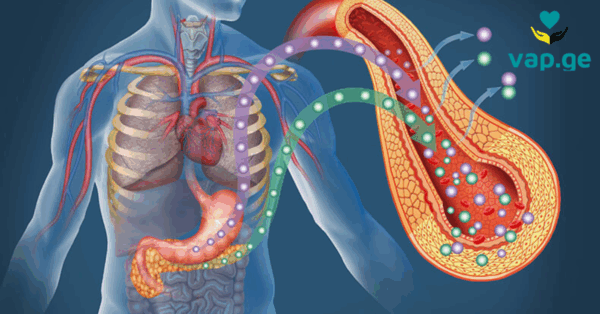
Insulin transforms sugar into fat. It also stimulates the growth of fat cells. Simply put, the more insulin you have, the more fat your body will store.
Insulin resistance shows up as low energy and mood instability. Over time, this state can contribute to a host of serious health problems, including hypertension, cardiovascular diseases, certain types of cancer, type 2 diabetes, gout, heartburn, dementia, and premature aging.
It’s also crucial to understand that insulin disrupts the function of sex hormones, and in some cases, can even lead to infertility. Insulin is precisely why hair might grow where you don’t want it and fall out where you do.
Blocking insulin allows fat cells to empty their contents. When insulin is suppressed, cholesterol profiles can improve quickly, chronic inflammation can subside, blood pressure can drop, and blood sugar levels can normalize. However, to achieve these effects safely and sustainably, one must ideally master methods of insulin adjustment.
Below are recommendations for correcting insulin levels—practical, actionable steps to help your body maintain balance.
1. Eliminate Fast-Acting Carbohydrates from Your Diet
Remove refined carbs such as white flour, white rice, sugar, sugar substitutes, and sweeteners. These are the culprits behind spikes in insulin levels. Acceptable alternatives include small amounts of stevia, a few dates, and “slow” carbohydrates like yams (sweet potatoes), squash, and quinoa.
For instance, consider replacing a typical breakfast of toast and orange juice with oatmeal or a breakfast cereal made with whole grains, or opt for an omelet with bacon or cottage cheese. Add nuts, seeds, and berries for nourishment and satiety.
Be cautious: commercially processed foods and beverages—including many “healthy” juices—often hide sugar and other unwanted additives that can undermine insulin stability.
2. Eat at Least 400 Grams of Vegetables Daily—Raw and Cooked
Focus on vegetables, not cereals or grains. Also include mushrooms, sprouts, and leafy greens in your meals. Vegetables offer fiber, micronutrients, and beneficial compounds that support metabolic health and help blunt insulin responses.
3. Ensure Every Meal Includes Protein—Animal or Plant-Based
Since protein can also elevate insulin levels, limit your intake to about 25–45 grams per meal, up to three meals a day. This moderate amount helps maintain stable insulin without overloading your metabolism.
4. Maintain Meal Spacing: 4–6 Hours Between Meals
This gives insulin levels time to return to baseline. If you find yourself needing to eat again just three hours after a meal, it may signal insulin resistance and unstable blood sugar. Frequent snacking and constant grazing keep insulin persistently elevated and might undermine weight loss—even if carb intake is low-calorie or restricted.
If hunger strikes too soon between meals, try increasing your protein. Alternatively, drink a glass of plain water, wait 20 minutes, and see if your hunger subsides. Still feeling peckish? Choose a small amount of healthy fats, like nuts, seeds, or cacao nibs, or have a cup of tea with butter. Fat alone does not raise insulin levels and can help curb appetite.
5. Avoid Eating After Dinner
Your goal shouldn’t be to fall asleep on a full stomach. Ideally, dinner should be at least 3–4 hours before bedtime. Guarantee an overnight fast of 11–12 hours between dinner and breakfast. By about 8–10 hours after eating, roughly half of your energy needs may be met by fat oxidation. Rapid acceleration of fat burning typically begins 11 hours after a meal. However, avoid overly extended fasting that might lead to the loss of lean muscle mass.
6. Limit Fruit Intake to No More Than Half a Cup (≈120 g) of Unsweetened Fruit
Examples include berries, avocado, unsweetened apple, or olives. It may be wise to avoid overly sweet fruits like grapes or tropical varieties if maintaining steady insulin is your goal.
7. Chew Your Food Thoroughly
This aids the digestive system by initiating digestion in the mouth and giving your body time to release satiety hormones. Thoroughly chewed meals help you recognize fullness better and may prevent overeating.
8. Don’t Forget Probiotics
A friendly gut microbiome supports overall health and assists in detoxification. Maintaining a balanced flora can have positive downstream effects on insulin sensitivity and systemic inflammation.
A Word of Caution
Every dietary change should be implemented gradually. Sudden metabolic shifts may temporarily elevate triglycerides and “bad” LDL cholesterol. If you’re prone to gout, uric acid levels may also rise briefly, potentially triggering an attack. If you’re on medications—such as antihypertensives or blood sugar–lowering drugs—be aware that diet and medications might interact and amplify effects. Always consult your healthcare provider before making major diet or medication adjustments.
Final Thoughts: Restoring Hormonal Balance
Rebalancing a powerful hormone like insulin has ripple effects throughout the endocrine system. When insulin regains stability, it can help restore the balance of other hormones and even initiate reversal of disease processes. Here’s how each recommendation weaves into your metabolic health roadmap:
Stable blood sugar – Minimizing rapid carbs, focusing on proteins and healthy fats, and spacing meals help prevent insulin surges and crashes, stabilizing energy and mood.
Improved fat metabolism – Fasting windows and moderated meal frequency encourage the body to shift into fat-burning mode instead of continuous storage.
Reduced inflammation – Whole foods, vegetables, and avoidance of processed sugars help lower chronic inflammation—a key contributor to insulin resistance.
Hormonal harmony – Balanced insulin supports proper functioning of sex hormones, potentially improving fertility, normalizing hair patterns, and reducing cardiovascular strain.
Better heart and metabolic health – With lower insulin, cholesterol and blood pressure often trend in the right direction, and inflammatory risk diminishes.
Summary Table: Key Actions for Insulin Balance
Strategy Purpose / Benefit
Remove refined carbohydrates Prevent insulin spikes
Eat abundant vegetables Provide fiber, regulate insulin, support health
Moderate protein with each meal Stabilize insulin without overstimulation
Space meals by 4–6 hours Allow insulin levels to return to baseline
Avoid eating after dinner Promote overnight fasting and fat oxidation
Limit fruit to unsweetened varieties Avoid unnecessary sugar intake
Chew thoroughly Aid digestion and satiety hormone response
Include probiotics Support gut health, detox, and metabolic balance
Implement changes gradually Prevent adverse lipid shifts or medication interactions
By following these guidelines thoughtfully, you’ll be taking a comprehensive, sustainable approach to insulin regulation, metabolic resilience, and overall hormonal well-being. This is more than a “diet”—it’s a lifestyle that supports long-term health.