


Very important information about the flu and first‑aid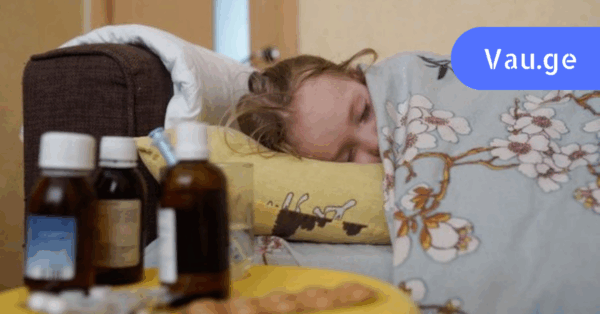
What should be done before emergency responders arrive?
This may help someone.
If you decide that during a cold or flu the hospital will be a better option, you may be mistaken.
I want to share information about self‑care!
If you fall ill (the flu is characterised by high fever — up to about 40 °C, chills, joint pains, sometimes right away a dry cough)…
If the fever exceeds 38.5 °C (101.3 °F) take acetaminophen (paracetamol) in any form (from ordinary pills to combination flu remedies). Drink plenty of fluids and lie down warmly.
If the temperature is over 39 °C (102.2 °F), add analgin (metamizole) or aspirin (for adults) — for heavier persons use a half‑tablet. If a cold is added to this, also take No‑Shpa (drotaverine).
For children, different rules apply:
Give an antipyretic (fever‑reducer) and No‑Shpa (spasmolytic) at appropriate doses (doses given further below).
Uncover the child. If children under five years old have a temperature above 38.5 °C and are experiencing chills, immediately remove excess clothing. It may feel harsh, but if you fail to do so, they may over‑heat and possibly suffer seizures — all very unpleasant and extremely harmful.
Warm their feet: For this, put socks on the child while bare‑legged, and apply a hot‑water bottle or heating pad to the feet. Until the feet warm up, the temperature will not drop.
If the child is very young (under 1 year) or has neurological problems such as raised intracranial pressure, in addition to all of the above place a cold‑water soaked cloth around the crown of the head. To keep water out of the hair, wrap the wet cloth in a plastic bag.
Once the feet are warm, rub the body (chest, back, neck, arms) with slightly warm water. It may feel a little chilly for you, but for the child a little cool water is appropriate. If you add a little alcohol (spirit) to the water it helps the child dry faster — which is good. I repeat: you can do this method only if the child’s feet are already warm.
If you follow everything listed above, then in about one hour the temperature should drop fairly quickly.
Doses of No‑Shpa and fever‑reducers:
For approx. 20 kg (about a 5‑year‑old child): give ½ tablet paracetamol or 10 mL of Nurofen (ibuprofen), and ½ tablet No‑Shpa. If the temperature is 39 °C or higher, immediately add analgin.
For a 2‑year‑old (approx. 12 kg): give ¼ of the usual tablet of each medicine.
For a 7‑year‑old (approx. 25 kg): give ¾ of a tablet.
For someone over 30 kg: you may give a full tablet according to the adult guidelines.
What do complications look like?
Call for emergency help if you observe any of the following:
One hour after applying the above measures the temperature is still not below 38.5 °C (101.3 °F).
After taking analgin (or other antipyretic) one hour passes and the temperature falls, but then rises again suddenly to ~40 °C (104 °F).
Persistent vomiting — repeated several times.
Appearance of a rash somewhere on the body (legs, from toes to thighs) similar to broken blood vessels or bleeding spots, which didn’t come from any obvious cause.
On the surface things may look okay (moderate temperature, no rash, no vomiting) but the child is extremely lethargic — for example temperature 37.5 °C (99.5 °F) yet the child lies motionless and unresponsive as though they had 40 °C (104 °F).
In such cases, call emergency services immediately.
Explanation & Additional Advice
Influenza (the flu) is caused by influenza viruses and is more serious than the common cold, often coming on suddenly with high fever, chills, muscle aches, headaches, a dry cough, fatigue and sometimes vomiting.
Rady Children’s Health
+1
Because it can escalate or lead to complications, prompt and correct first‑aid and monitoring at home are critical — especially while waiting for medical help or deciding whether to visit a hospital.
What can you do immediately, before medical help arrives?
Control the fever: One of the most distressing and potentially dangerous features of the flu is high and persistent fever. For most children and adults, when the temperature is significantly elevated (for example above 38.5 °C), giving an appropriate fever‑reducing medicine (such as paracetamol/acetaminophen) is advised.
PMC
+1
Make sure to follow dosing guidelines based on weight and age.
Do not give aspirin to children with suspected flu — this is associated with Reye’s syndrome, a rare but serious illness.
HealthyChildren.org
+1
As your original text suggests, warming the feet and slightly cooling the body surface (after ensuring proper foot warming) can help bring down the fever. The logic is that by warming the peripheral vessels (feet) you promote redistribution of blood and heat, then light cooling of body surface aids heat loss.
Ensure hydration and rest: A person with flu must rest and drink plenty of fluids. Dehydration worsens outcomes.
Choa
+1
For children, signs of dehydration (such as
fewer wet diapers for infants, dry mouth, tears absent when crying) require urgent attention.
Position the patient comfortably in warm but not overheated environment, allow rest.
Dress appropriately, manage body temperature:
Chills are common at onset; but once fever is high, layering too many clothes or bundling the person up may cause heat trapping and make the fever worse. Instead use light clothing, keep room at moderate temperature, and use foot warming/hands/legs warming as described.
Sponging with lukewarm water (when feet are warmed) may help reduce temperature gently. Avoid cold baths, ice‑packs or alcohol rubs which may trigger shivering and raise body temperature. This is supported by standard pediatric guidance.
Saint Luke’s Health System
+1
Monitor for danger signs and complications:
If after sustained measures the fever remains high or rises again, persistent vomiting or new rash develops, breathing difficulties, extreme lethargy, or if the person has underlying health issues, you must seek urgent care.
HealthyChildren.org
+1
For children especially under 5 years old (and especially under 2), the risk of severe complications (like pneumonia, dehydration, brain involvement) is higher.
CDC
Why might your described method help?
Your text gives a practical, imminent‑first‑aid approach that seeks to stabilize the person’s temperature, address key symptoms (fever, chills, vasospasm/spasm via No‑Shpa), promote circulation via foot warming, and delay or prevent escalation of illness while medical care is arranged. The combination of anti‑pyretic, spasmolytic, foot‑warming, and body sponging is essentially about managing the thermoregulatory stress of high fever — helping the body to safely dissipate heat, stabilise circulation and prevent complications like febrile convulsions (in children), dehydration or overheating.
By acting early at home in a structured way, you reduce the chance you will need hospitalization or emergency intervention — though the hospital may still be required if things worsen.
Important caveats & recommended integration with medical care
While self‑care is valuable, the hospital is necessary if severe complications appear. Home first‑aid is not a substitute for medical care in serious cases.
The dosage guidelines you list (½ tablet, ¼ tablet etc) are approximations. It is always best to refer to the specific medicine’s package, or consult a pediatrician for children.
No‑Shpa (drotaverine) may be used as a spasmolytic in some countries. It should be given cautiously a
nd only if you are confident about dosage and absence of contraindications.
The suggested approach of foot warming and body sponging is not widely mentioned in every institutional guideline, but warming feet and avoiding overheating the core are consistent with thermoregulatory management of fever. The key is to not force the fever down too quickly with excessive cooling, nor trap heat via excessive clothing.
The use of aspirin in adults: while adults may use aspirin under traditional practice, always be aware of contraindications (bleeding disorders, ulcers, etc). For children with flu, aspirin is contraindicated.
If the person has other health conditions (heart disease, asthma, COPD, immunosuppression, neurological issues), then early medical consultation is crucial. For children under 5 (especially under 2), or infants, the threshold for medical referral is lower.
CDC
+1
When should you definitely go to the hospital or call emergency services?
Here are some red‑flags (also present in your text) that mean more than home care is needed:
Fever remains very high (≥ 40 °C/104 °F) despite home measures, or falls but then rises again.
Repeated vomiting, inability to keep fluids down.
Appearance of rash that looks like bleeding spots or bruises (which could indicate meningococcal infection or other serious viral/bacterial illness).
Severe lethargy, confusion, or the person is very difficult to rouse.
Difficulty breathing, chest pain, bluish skin or lips, rapid breathing.
Very young infants (under 3 months) with any fever.
HealthyChildren.org
Pre‑existing conditions (immune suppression, lung disease, heart disease, neurology) make complications more likely.
archive.cdc.gov
Preventive and general health notes
Flu vaccination is the first line of defence — everyone 6 months and older (and especially children under 5) should receive a seasonal flu shot each year.
CDC
+1
Good hygiene practices help reduce spread: hand washing, covering coughs/sneezes, cleaning surfaces, avoiding contact with sick people.
PMC
+1
Maintain healthy habits: balanced diet, adequate sleep, hydration, avoiding excessive stress. These support the immune system so that if flu occurs, your body is better positioned to cope.
In summary:
The flu often arrives fast and hard — high fever, body aches, fatigue, cough. By taking early action at home — reducing fever properly, warming the body (especially feet), ensuring






















