Folk Remedies for Treating Thrombosis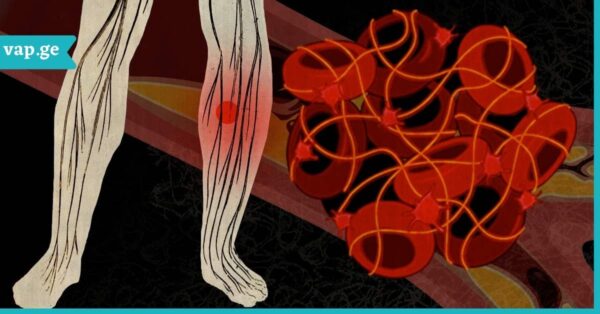
Deep vein thrombosis (DVT) is a condition in which blood clots (thrombi) form within the lumen of deep veins, most commonly affecting the lower limbs. These clots disrupt normal blood circulation, leading to vascular blockages. In more severe cases, such blockages can result in tissue necrosis in certain areas of the body. Worst of all, if a clot breaks off, it can travel to the heart or lungs, causing life-threatening complications like a pulmonary embolism.
Causes of Vascular Thrombosis
The primary cause of vascular thrombosis is abnormal blood clotting, or hypercoagulation. Unfortunately, even clinical blood tests don’t always reveal a full picture of this pathology.
Blood viscosity tends to increase when platelet counts are high — the normal range is about 200,000 to 400,000 per microliter.
The number of red blood cells (erythrocytes) also affects clotting speed. The typical range is about 4.5 to 5 million per microliter.
A reliable sign of increased blood viscosity is how quickly blood begins to clot after being drawn from a vein.
Traditional Medicine Recipes for Thrombosis
Our ancestors have long battled vascular diseases, and many of their folk medicine remedies have been preserved through generations. Let’s start with the simplest ones.
1. Garlic
Just eating 2 to 3 cloves of garlic daily can help reduce cholesterol plaque in the aorta and break down fibrin, the protein responsible for forming blood clots.
Garlic is a natural blood thinner and may rival modern medications in its effectiveness when taken regularly.
It helps prevent the buildup of harmful clots and supports overall cardiovascular health.
2. Horse Chestnut Tincture
Horse chestnut is considered a powerful natural remedy for reducing blood clotting and strengthening blood vessels.
How to use:
Dilute 30–40 drops of horse chestnut tincture in half a glass of boiled water.
Take this mixture up to three times a day before meals.
Horse chestnut contains compounds that reduce inflammation, strengthen vein walls, and prevent blood from pooling and clotting.
3. Herbal Blood Thinners
Several herbs act as natural anticoagulants and vascular tonics:
Coltsfoot
Meadowsweet
Astragalus
Comfrey
Raspberry leaves
Example recipe (with meadowsweet):
Add 1 tablespoon of dried meadowsweet flowers to half a liter of boiling water.
Let it steep and cool.
Drink half a cup three times a day.
This infusion not only thins the blood but also strengthens blood vessels, making them more resilient to damage or blockage.
4. Herbs that Improve Blood Circulation
The following medicinal plants are known to enhance circulation and promote cardiovascular health:
Birch buds
Linden (leaves and flowers)
Licorice root
Hawthorn
Dill seeds
Coriander (or cilantro)
Valerian root
Wild rose (rose hips)
Japanese Sophora
These herbs can be used individually or in blends for teas and infusions.
Example infusion:
Mix equal parts of cherry leaves, raspberry leaves, and blackcurrant leaves.
Add 2 tablespoons of this blend to 2 cups of boiling water.
Let steep for 40 minutes.
Drink warm, sweetened with honey if desired.
This mixture supports vascular tone, boosts immunity, and helps clear minor circulatory blockages.
5. Ginger Tea
Ginger is another excellent folk remedy with strong anti-inflammatory and blood-thinning properties.
How to prepare:
Grate a small piece of fresh white ginger root.
Add it to 1 cup of boiling water.
Let steep for about 20 minutes.
Allow it to cool slightly and add honey and lemon to taste.
Benefits:
Ginger improves circulation, prevents excessive clotting, and supports heart health.
Lemon adds vitamin C, and honey adds antibacterial and anti-inflammatory properties.
6. Cinnamon (Optional Addition)
Cinnamon is known to improve circulation and has natural anticoagulant effects.
It can be added to ginger tea or used in other herbal infusions.
However, use it moderately, especially if you’re on blood-thinning medication, as cinnamon can increase the risk of bleeding.
Final Thoughts
Folk remedies can be effective complementary treatments for managing and preventing thrombosis, especially in the early stages or as a preventive measure. These natural methods can help:
Thin the blood
Improve circulation
Strengthen blood vessels
Reduce the risk of dangerous clots forming or traveling to vital organs
However, it is extremely important to consult a healthcare provider, especially if you have been diagnosed with thrombosis or are taking medications like blood thinners. Herbal remedies may interact with prescriptions or cause unexpected side effects if misused.