URGENT: 3 Skin Changes That Could Be Warning Signs of Liver Cirrhosis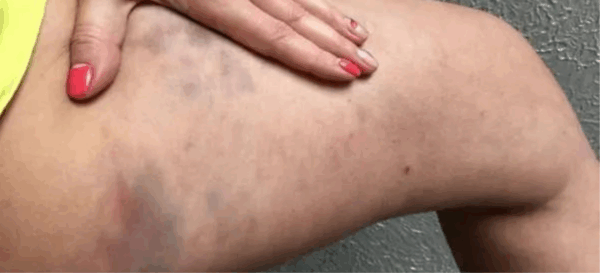
Our bodies often give us visible signs when something is wrong internally, and our skin is one of the first places these signals can appear. While we may not immediately associate skin changes with liver problems, several dermatological symptoms can be early indicators of liver damage — including cirrhosis. In this article, we’ll explore three critical skin changes that could point to liver cirrhosis and why it’s essential not to ignore them. By paying close attention to these signs, you can seek timely medical help and potentially prevent further complications.
Understanding Liver Cirrhosis and Its Origins
Cirrhosis is a condition characterized by the progressive scarring (fibrosis) of liver tissue, often as a result of long-term damage. This can significantly impair liver function over time. One of the leading causes of cirrhosis is fatty liver disease, which can be triggered by excessive alcohol consumption (alcoholic fatty liver disease) or occur in non-drinkers due to metabolic factors — known as non-alcoholic fatty liver disease (NAFLD).
Regardless of its cause, fatty liver disease has one common outcome if left untreated: progression to more severe liver damage, including cirrhosis and liver failure. Early stages of fatty liver can be reversed with lifestyle changes, but as fat continues to accumulate, it may lead to widespread scarring of liver tissues.
In addition, fatty liver is strongly linked with other serious conditions such as kidney disease, high blood pressure, type 2 diabetes, and obesity. If someone already has diabetes and develops fatty liver, their risk of cardiovascular complications increases significantly.
Inflammation – The Silent Progressor
Perhaps one of the most dangerous aspects of fatty liver disease is chronic inflammation, which often develops quietly, without any noticeable symptoms. Inflammation can cause ongoing damage to liver cells, making the organ more vulnerable to scarring and eventually cirrhosis. Many people are unaware that their liver is inflamed until complications become severe.
As liver damage continues, the organ’s structure becomes distorted. In cirrhosis, the liver develops a bumpy, shrunken texture, and its ability to function declines significantly. This can ultimately lead to liver failure — a life-threatening condition. However, one of the advantages of the body’s outward warning system is that certain skin changes may appear as early clues, helping individuals detect liver disease before it’s too late.
Let’s explore three such skin changes in detail:
1. Jaundice (Yellowing of the Skin and Eyes)
One of the most recognized signs of liver dysfunction is jaundice — a yellowish tint to the skin and the whites of the eyes. This occurs due to elevated levels of bilirubin, a yellow pigment that is usually processed and eliminated by the liver.
When the liver becomes scarred and loses its efficiency, bilirubin begins to accumulate in the bloodstream, giving the skin and eyes their characteristic yellow hue. Jaundice is a clear indication of compromised liver function and requires immediate medical attention.
Often, jaundice is not subtle. The whites of the eyes (sclera) may turn visibly yellow before the skin does, and in more severe cases, even fingernails and mucous membranes can show discoloration. This symptom is especially important because it is visibly noticeable and clinically significant, acting as an external marker of internal damage.
2. Persistent Itching (Pruritus)
Another often overlooked but critical skin symptom of cirrhosis is persistent, unexplained itching. This is not your average itch — it doesn’t come with a rash, bug bites, or dry skin. It is more systemic and tends to worsen over time, especially as liver disease progresses.
Itching in liver disease is believed to be caused by bile salts building up in the skin, due to the liver’s inability to properly process and eliminate them. This buildup can irritate nerve endings in the skin, leading to chronic pruritus (itchiness), especially on the arms, legs, palms, and soles. In some cases, it can become so intense that it interferes with sleep and daily life.
Importantly, this type of itch doesn’t respond well to regular creams or allergy medications and might be one of the earliest signs that something is wrong with the liver.
3. Easy Bruising and Bleeding
If you’ve started noticing bruises appearing more easily on your skin — even after mild bumps or seemingly no injury at all — it might be a sign of liver dysfunction. The liver produces many of the proteins required for blood clotting, and when it’s damaged, this ability is compromised.
This means that even minor trauma can result in larger or more frequent bruises, and in some cases, small capillaries under the skin may rupture without obvious cause. Bleeding gums or prolonged bleeding after cuts can also accompany this symptom.
In advanced liver di
sease, this may progress to more serious bleeding issues and should be evaluated by a doctor immediately. Easy bruising is not just a cosmetic issue; it’s a red flag for systemic changes in your body’s ability to heal and protect itself.
Other Important Symptoms to Watch For
While the above three skin changes are among the more visible signs of liver cirrhosis, there are several other symptoms that, when present alongside these, warrant medical attention:
Unexplained bruising across various areas of the skin
Memory problems, confusion, or difficulty concentrating – possible signs of hepatic encephalopathy
Swelling in the ankles, feet, or legs
Abdominal bloating or fluid accumulation (ascites)
Chronic fatigue or weakness
Loss of appetite and sudden weight loss
Nausea or vomiting, especially after meals
These symptoms indicate that the liver may already be struggling to perform its vital roles in digestion, detoxification, and blood regulation.
When to See a Doctor
If you notice any of the symptoms mentioned above — especially jaundice, unexplained itching, or easy bruising — it’s crucial to consult a healthcare professional. Early diagnosis and intervention are key in managing liver disease and preventing irreversible damage. Simple blood tests and imaging can reveal a great deal about liver function and help doctors create a treatment plan.
In many cases, lifestyle changes such as losing weight, reducing alcohol intake, managing blood sugar, and eating a liver-friendly diet can reverse early liver damage and significantly improve quality of life.
Final Thoughts
The skin is more than just a protective barrier — it’s a mirror that often reflects what’s happening inside our bodies. In the case of liver disease, paying attention to subtle dermatological signs can mean the difference between early intervention and advanced cirrhosis.
Don’t ignore your body’s signals. If your skin is telling you something’s wrong, listen closely — your liver might be crying out for help.