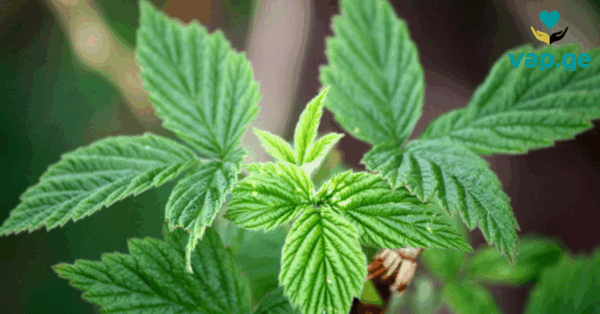
Medicinal Properties of Raspberry Leaves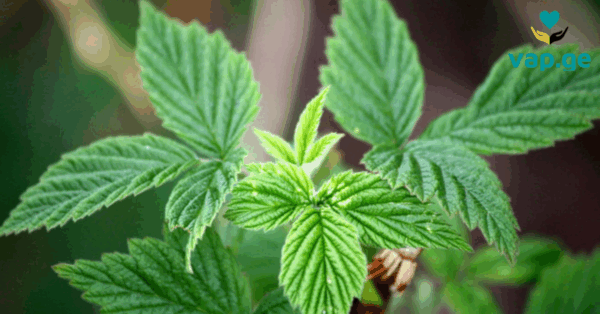
Raspberry leaves, often overlooked in favor of the delicious fruit they accompany, possess a wide range of medicinal properties that have been utilized for centuries in traditional medicine. These leaves are a natural source of valuable compounds, including organic acids (such as malic, tartaric, and citric acids), tannins, flavonoids, vitamins, and minerals — all of which contribute to their healing effects.
Digestive Health and Antimicrobial Action
The presence of organic acids in raspberry leaves — primarily malic, tartaric, and citric acids — plays a vital role in stimulating digestion. These acids not only aid in the efficient breakdown of food but also help maintain the balance of gut flora by exerting antimicrobial effects. They can inhibit the growth of harmful microorganisms, viruses, and fungi in the digestive tract, reducing the risk of gastrointestinal infections. This makes raspberry leaf tea particularly useful during the colder months when such infections are more common.
Optimal Harvest Time and Preparation
The timing of leaf collection is critical to preserving the maximum medicinal properties. The ideal period for harvesting raspberry leaves is from August 1st to August 10th, a time when the leaves are richest in active compounds. The leaves should be carefully cut from the upper parts of the plant stems — about 15 to 20 centimeters from the top.
For best results, wild raspberry plants are preferred over cultivated varieties. Wild raspberry leaves tend to contain higher concentrations of beneficial nutrients due to their natural growing conditions. After harvesting, the leaves should be dried in a shaded, well-ventilated area — away from direct sunlight. It’s important not to crush the leaves; instead, store them whole in sealed paper or breathable plastic bags once dried.
Preparing Raspberry Leaf Tea
Raspberry leaf tea is a gentle, yet powerful herbal infusion that supports general health and well-being. To prepare the tea:
Place a few dried raspberry leaves into a teapot or mug.
Pour 300–350 ml of boiling water over the leaves.
Allow the mixture to steep on a steam bath for 10–15 minutes (this method helps extract more active ingredients without overheating).
After steeping, strain the infusion and allow it to cool slightly before drinking.
Avoid adding sugar to the tea, as it can diminish its health benefits. Instead, it’s recommended to enjoy it with a small piece of bread and honey, which complements the tea’s natural, earthy taste. The best time to drink raspberry leaf tea is in the evening, at least 30 minutes before bedtime, as it promotes relaxation and better sleep quality.
Long-Term Use and Dosage
Raspberry leaf tea is not necessarily intended for daily use all year round but can be consumed periodically in cycles. A common and effective regimen includes:
Drink daily for 15 days, followed by a 10-day break.
Repeat this cycle throughout the winter months (from November to the end of April).
This cycle allows the body to absorb the nutrients and benefits of the tea while preventing any potential overuse of certain compounds.
Key Medicinal Benefits
Raspberry leaves offer several therapeutic effects:
Anti-inflammatory properties – They can help soothe internal inflammation, particularly in the digestive and reproductive systems.
Astringent action – The tannins in the leaves help reduce diarrhea and tighten tissues, which can be useful for minor bleeding or inflamed gums.
Hormonal balance – One of the most interesting aspects of raspberry leaves is their ability to mimic estrogen, the female hormone. This can be beneficial for women experiencing menstrual irregularities or entering menopause, helping to ease symptoms naturally.
Support for pregnancy and childbirth – Traditionally, raspberry leaf tea has been used to tone the uterus, making it stronger and more efficient during labor. However, this should only be done under medical supervision.
Immune support – With its rich antioxidant content, raspberry leaf tea helps the body fight off infections and reduces oxidative stress.
Natural, Accessible, and Gentle on the Body
In a world where synthetic pharmaceuticals are widely available — and often more potent — raspberry leaves offer a gentler, more natural alternative. While not always as fast-acting as modern medicines, they come with fewer side effects and are more easily accessible. For many people, especially those looking for herbal remedies and preventative care, raspberry leaves can be an ideal choice.
What sets raspberry leaves apart is their broad spectrum of benefits and their ability to support the body in subtle but effective ways. Their mild estrogen-like effect contributes to cellular regeneration, offering a kind of rejuvenating quality that benefits overall vitality.
Final Thoughts
In conclusion, raspberry leaves represent a valuable addition to a holistic approach to health. Whether used for digestive support, immune enhancement, hormonal balance, or general wellness during the winter months, their therapeutic properties are time-tested and well-documented in both traditional and modern herbal practices.
Although many modern medicinal options may offer quicker results, the strength of raspberry leaves lies in their natural origin, low cost, accessibility, and long history of safe use. For those seeking a more natural path to wellness, raspberry leaf tea is a simple yet powerful remedy — one that reconnects us with the healing power of plants