How to Get Rid of Sweat Stains from Your Clothes: Simple and Effective Tips You Should Know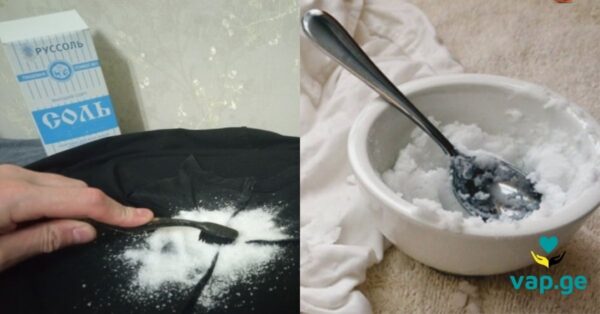
As summer approaches, many people start worrying about a very common and often embarrassing problem — sweat stains. The heat, humidity, and constant activity can cause excessive sweating, especially under the arms, leaving visible marks on clothes that are difficult to remove. For some, it’s just an occasional inconvenience, but for others, it’s a daily struggle that affects comfort, confidence, and even clothing choices.
Fortunately, there are several simple, practical, and affordable ways to prevent and remove sweat stains from clothes without relying on expensive products or constant dry-cleaning. Below, we’ll explore the best natural and professional methods that can help you keep your clothes looking clean, fresh, and odor-free all summer long.
1. Understanding the Cause of Sweat Stains
Before jumping into solutions, it’s helpful to understand what actually causes these stains. Sweat itself is mostly water and salt — it’s not particularly damaging to fabrics. The problem occurs when sweat mixes with the aluminum compounds found in most antiperspirants. This chemical reaction leads to the yellowish or whitish stains that tend to appear on light-colored clothing, especially under the arms.
In other cases, bacteria on the skin can interact with sweat and create unpleasant odors or dark patches on darker clothing. That’s why tackling sweat stains often requires a combination of hygiene, fabric care, and prevention techniques.
2. Baby Powder – A Gentle but Powerful Remedy
One of the simplest and most effective household solutions is baby powder. Baby powder is designed to absorb moisture and keep skin dry, so it can also work wonders on fabrics affected by sweat.
Here’s how to use it:
Wash the clothing first. Always start with clean fabric. Washing helps remove oils, dirt, and bacteria that may be trapped in the fibers.
Sprinkle a moderate amount of baby powder on the areas most affected by sweat, such as underarm regions or collars.
Iron the garment carefully. Use medium heat and press over the powdered area. The heat will help the powder absorb excess moisture and lift any remaining discoloration.
Shake off the excess powder. Once you’re done ironing, lightly brush off the remaining residue, and your fabric should look fresher and brighter.
This method is not only gentle on clothes but also leaves a pleasant, clean scent. It’s ideal for delicate fabrics and light-colored garments that tend to show stains more easily.
3. Choose Your Clothing Colors Wisely
Color plays a surprisingly big role in how visible sweat stains appear. Light-colored clothes, especially white or bright pastel tones, make sweat marks stand out much more clearly. On the other hand, dark colors like navy blue, black, and charcoal gray can conceal them better.
However, be mindful that very dark colors might sometimes highlight salt marks — those white lines that appear as sweat dries. That’s why the best solution is often to build a wardrobe with a variety of shades that work in different temperatures. Pastel colors such as pale pink, light gray, beige, or lavender tend to disguise stains without absorbing too much heat from the sun.
Also, choose fabrics that breathe well, such as cotton, bamboo, or linen. These natural fibers allow air circulation and prevent moisture from building up, which means less sweat and fewer stains. Avoid synthetic materials like polyester and nylon, as they trap heat and moisture close to your skin.
4. Use Sweat Pads or Underarm Shields
Modern clothing accessories can make a big difference. Today, you can easily find sweat pads or underarm shields in most stores or online. These pads are thin, absorbent liners that stick discreetly to the inside of your clothing and prevent sweat from soaking through the fabric.
They come in disposable and washable versions. The disposable type is convenient for travel or daily use, while the washable ones are more eco-friendly and budget-friendly over time. Simply attach or sew them to the problem areas — usually under the arms — and they’ll absorb excess perspiration before it ever touches your clothes.
For people who deal with hyperhidrosis (excessive sweating), these pads can be a game-changer. They help maintain a polished appearance throughout the day and keep your favorite shirts looking new much longer.
5. Consult a Doctor for Persistent Problems
If sweating is excessive and frequent, and none of the home remedies seem to help, it might be time to consult a dermatologist or physician. Excessive sweating, known as hyperhidrosis, can sometimes be linked to hormonal changes, stress, diet, or even certain medications.
Your doctor can recommend several possible solutions:
Prescription-strength antiperspirants: These contain higher levels of aluminum chloride that block sweat glands more effectively.
Medications: In some cases, oral drugs can temporarily red
uce sweating by calming overactive glands.
Botox injections: Though primarily used for cosmetic purposes, Botox can also block the nerves that trigger sweat production, providing relief for several months.
Iontophoresis: A non-invasive treatment where a mild electrical current is passed through water and skin to reduce sweating in specific areas like hands or underarms.
A medical consultation ensures you’re addressing the root cause rather than just masking the symptoms.
6. Additional Home Remedies for Sweat Stains
Beyond the main techniques above, a few other household ingredients can help remove stubborn sweat stains from clothing:
White Vinegar: Mix equal parts vinegar and water, apply directly to the stain, let sit for 30 minutes, then wash as usual.
Baking Soda Paste: Combine 3 tablespoons of baking soda with 2 tablespoons of water, spread on the stain, and scrub gently with a soft brush before rinsing.
Lemon Juice: Its natural acidity breaks down discoloration and neutralizes odors. Apply lemon juice to the affected area and leave it in the sun for a natural bleaching effect.
Hydrogen Peroxide: Safe for whites, this mild bleaching agent can remove deep yellow stains caused by deodorant buildup. Mix one part hydrogen peroxide with two parts water and apply it for 15 minutes before washing.
Always test these methods on a small hidden area of the fabric first to ensure they don’t cause fading or damage.
7. Lifestyle Tips to Reduce Sweating
Aside from treating stains, a few lifestyle changes can also help minimize sweat production:
Stay hydrated: Drinking plenty of water helps regulate body temperature and reduces excessive sweating.
Wear breathable fabrics: Choose natural fibers and loose-fitting clothes.
Avoid spicy foods and caffeine: Both can trigger your sweat glands and increase perspiration.
Maintain good hygiene: Regular showers and antibacterial soap can reduce bacteria that cause odors.
Apply antiperspirant before bed: Many people don’t realize that applying it at night allows the product to work more effectively by blocking sweat glands while you sleep.
8. Final Thoughts
Sweat stains don’t have to ruin your favorite clothes or make you feel self-conscious during hot weather. With the right prevention methods, simple household tricks, and a bit of awareness, you can stay confident, comfortable, and fresh — even on the warmest days.
Whether you rely on baby powder, natural cleaners, sweat pads, or medical help, the key is to understand your body’s needs and take proactive steps before stains set in. After all, feeling clean and confident starts with small daily habits that protect both your skin and your wardrobe.
So, as summer approaches, remember these simple tricks — and you’ll be ready to face the heat without fear of sweat stains again.