Sea Buckthorn Oil: How to Prepare and Use It at Home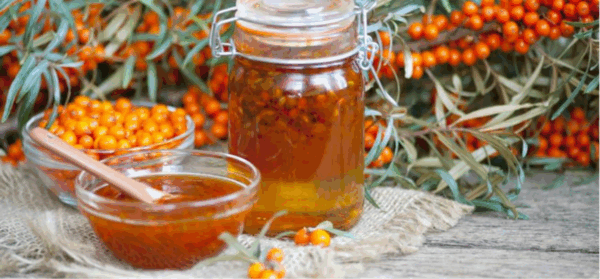
Sea buckthorn oil is a time-honored remedy widely used in traditional and folk medicine, particularly throughout Eastern Europe and Central Asia. It is derived from the brightly colored orange berries of the sea buckthorn shrub (Hippophae rhamnoides), which are rich in a vast array of biologically active compounds, including antioxidants, vitamins, and essential fatty acids. This oil is renowned for its healing properties, both when applied topically and taken internally.
Although industrially produced sea buckthorn oil is available on the market, it can be difficult to find—especially high-quality, pure oil. Pharmacies and health stores may carry it sporadically, and even when available in local markets, the quality can vary widely depending on the producer and storage conditions. For those seeking a reliable and therapeutic product, making sea buckthorn oil at home is not only possible but also practical. Fortunately, the preparation process is relatively simple and requires only a few basic ingredients and tools.
What Is Sea Buckthorn Oil Made From?
Sea buckthorn oil is extracted from the berries of the plant—more specifically, from the juice, pulp, and skin. These parts contain lipophilic (fat-loving) compounds that dissolve readily in vegetable oils, allowing for efficient infusion and extraction.
There are two primary types of sea buckthorn oil:
Berry oil, which is extracted from the pulp and has a deep orange-red color.
Seed oil, which is pressed from the seeds and tends to be lighter in color but also rich in beneficial fatty acids.
In homemade preparations, you typically produce berry oil, which is highly valued for its regenerative and antibacterial properties.
Choosing the Right Carrier Oil
To extract the medicinal compounds from the sea buckthorn berries, you’ll need a base oil that acts as a solvent. While many recipes call for sunflower oil due to its affordability and neutral properties, other suitable options include:
Olive oil – rich in antioxidants, widely available, and stable at low heat
Soybean oil – high in lecithin and also contains healthful compounds
Corn oil – another neutral oil with good extraction capabilities
Avoid using cottonseed oil, as it may contain natural toxins and is not recommended for medicinal use.
Method 1: Oil Skimming from Juice Extraction
This is one of the more direct and pure methods of obtaining sea buckthorn oil:
Take 1 kg of fresh sea buckthorn berries.
Rinse thoroughly with cool, boiled water.
Let the berries air dry completely.
Mash the berries in a ceramic or enamel bowl to extract the juice.
Strain the juice using cheesecloth or a fine cloth into a clean glass container.
Let the juice sit undisturbed for 24 hours. During this time, a thin layer of oil will rise to the surface. Carefully skim off this oil using a spoon or pipette. This golden-orange oil contains the most potent compounds.
From 1 kg of berries, you can expect to collect around 80 grams of oil. If not collected on time, this oil will either sink to the bottom or mix back into the juice, making separation more difficult.
Method 2: Infusion Using Dried Pulp
This method utilizes the leftover pulp after juice extraction:
Take the remaining pulp and dry it—first in open air, then in a low-temperature oven (~50°C / 120°F).
Once thoroughly dried and darkened in color, grind the pulp using a coffee grinder into a coarse powder.
Measure approximately 50 grams of powder, and combine it with 150 ml (1:3 ratio) of your chosen refined vegetable oil.
Heat the mixture gently to about 40–50°C (104–122°F).
Store the mixture in a dark, cool place for 3 weeks, stirring occasionally.
After the infusion period, strain the mixture through a cloth or fine mesh. Let the oil stand until clear, then pour off the oil, leaving the sediment behind.
While this method yields oil that contains about 5–8% of active sea buckthorn oil, it still retains noticeable healing properties. However, it is considered less concentrated than the skimmed oil from Method 1.
Storing Your Homemade Sea Buckthorn Oil
To maintain potency:
Store oil in a glass bottle filled up to the brim (to minimize oxidation)
Keep it sealed tightly and refrigerated
Under proper conditions, homemade oil can last for up to 2 years without losing its medicinal properties
Medicinal Uses of Sea Buckthorn Oil
Sea buckthorn oil has a wide range of applications in traditional and modern herbal medicine. It is known for its ability to:
Promote wound healing and epithelial regeneration
Soothe burns, bedsores, and frostbite
Treat dermatological conditions such as eczema and psoriasis
Aid in recovery from gastritis and peptic ulcers
Provide relief in oral and respiratory infections, including sore throats, sinusitis, and tonsillitis
Reduce symptoms of cardiovascular diseases, including angina and high blood pressure
It’s particularly useful for individuals recovering from surgery or illness due to its rich vitamin and antioxidant profile. A mere 4–5 teaspoons per day can fulfill the body’s daily requirement for essential vitamins.
Examples of Use
Stomach ulcers: Take 1 teaspoon of sea buckthorn oil 30 minutes before meals
Mouth and throat infections: Rinse the mouth with warm water, then hold a small amount of oil in the mouth for as long as possible
Gout, rheumatism, and arthritis: Apply compresses made from crushed berries and leaves or use the oil topically
Radiation detox: Sea buckthorn oil may help remove heavy metals and radiation residues such as lead, cobalt, and cesium from the body
Contraindications and Warnings
While sea buckthorn oil is generally safe for external and internal use, certain individuals should avoid it:
Those with pancreatitis
Individuals with gallstones (cholelithiasis)
Always consult a medical professional before starting any new herbal remedy, especially if you have preexisting health conditions or are taking medication.
Conclusion
Sea buckthorn oil is a remarkable natural remedy that’s easy to prepare at home with minimal tools. Its therapeutic benefits range from healing skin to improving digestive and cardiovascular health. By following traditional methods of extraction and storage, you can create a high-quality, potent oil that supports health and well-being year-round.
If you have access to fresh sea buckthorn berries, there’s no better time to start creating your own supply of this golden elixir.