My Grandmother Taught Me How to Treat an Ingrown Toenail – Now You Can Get Rid of It Once and for All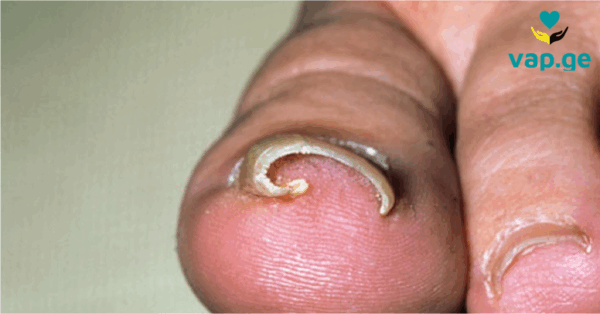
An ingrown toenail may seem like a small issue, but anyone who has suffered from it knows just how painful and frustrating it can be. It’s more than just an aesthetic concern — it’s a condition that can cause significant discomfort, limit mobility, and even lead to dangerous complications if left untreated.
My grandmother, a firm believer in natural remedies and simple wisdom, once showed me how to treat this stubborn problem effectively at home. Her method not only relieved my pain but helped me prevent it from returning. And now, I want to share these insights with you.
Let’s dive deep into what causes ingrown toenails, how to treat them safely, and how to make sure they don’t come back.
What Is an Ingrown Toenail?
An ingrown toenail occurs when the edge of the nail grows into the surrounding skin, rather than over it. This most commonly affects the big toe but can happen to any toe. As the nail digs into the skin, it causes redness, swelling, pain, and in some cases, infection. In severe cases, the nail area can become filled with pus or lead to abscesses and even gangrene if ignored for too long.
Common Causes
There are many potential causes of ingrown toenails, including:
Wearing tight, narrow, or ill-fitting shoes
Improper toenail trimming (especially cutting nails too short or rounded)
Foot injuries or trauma
Fungal infections that alter nail shape
Obesity or sudden weight gain
Poor hygiene or low-quality pedicures
Whatever the cause, it’s crucial to address the problem as soon as possible to avoid worsening symptoms.
Step-by-Step: How to Treat an Ingrown Toenail at Home
Here’s the remedy my grandmother taught me — a combination of natural techniques and traditional care. These simple steps can relieve pain, treat inflammation, and in many cases, prevent surgical intervention.
1. Soften the Nail and Skin
Before doing anything to the nail, it’s essential to soften both the nail plate and the surrounding skin. This will make any treatment safer and less painful.
Fill a basin with warm water.
Add Epsom salt (magnesium sulfate) to the water — this helps reduce inflammation and soothes pain.
Soak your feet for 15–20 minutes.
If the nail is particularly painful or inflamed, consider a potassium permanganate soak (also known as “permanganate solution”). This old-school remedy helps disinfect the area and reduce swelling. After the soak, dry your feet well and apply a soothing ointment or cream.
Pro tip: Put on warm wool socks after treatment to keep the foot warm and improve blood circulation.
2. For Infected or Oozing Nails: Use Kombucha (Tea Fungus)
If the nail has started to produce pus or is showing signs of infection, kombucha — yes, the fermented tea — can work wonders.
Take a thick piece of fermented kombucha culture and apply it directly to the affected area.
Wrap the toe gently with gauze or a clean bandage.
Put on a warm sock and leave it on overnight.
The acidic properties of kombucha help draw out infection, soften the nail, and even work against fungal issues. By morning, you may find that the pain is significantly reduced and the nail is easier to trim.
3. Use the Cotton-Wick Method
If you suffer from repeated ingrown toenails, you might want to consider this classic method:
Take a small piece of sterile cotton and roll it into a tiny wick.
Gently insert it between the edge of the nail and the skin to lift the nail slightly away from the inflamed area.
This allows the nail to grow out properly without digging into the skin. However, be cautious — if done incorrectly or without hygiene, it can worsen the situation. Change the cotton wick several times a day to avoid bacterial infections.
Over time, the nail will begin to grow above the skin, and the painful pressure will subside.
4. Prepare a Natural Anti-Inflammatory Paste
This remedy is one of my favorites — and it smells great too! The mixture combines cinnamon, lemon, and plant-based oils.
Here’s how to make it:
Mix 1 teaspoon of ground cinnamon
Add a few drops of fresh lemon juice
Combine with 1 tablespoon of olive oil or coconut oil
Stir well to create a paste. Apply this directly to the affected nail after soaking your feet in a hot water and baking soda bath. The soda softens the nail, and the paste reduces inflammation, fights bacteria, and promotes healing.
Repeat daily for best results.
Additional Tips to Prevent Ingrown Toenails
Treatment is important, but prevention is even better. Once you’ve gotten rid of your ingrown toenail, follow these guidelines to keep the problem from returning:
Trim toenails properly: Always cut nails straight across. Avoid rounding the edges too much.
Don’t cut nails too short. Leave a small edge past the skin line.
Wear comfortable shoes that allow your toes to breathe and move freely.
Maintain good foot hygiene — wash your feet daily and keep your nails
clean and dry.
Get professional pedicures from trained individuals if you’re unsure how to cut nails safely.
Moisturize regularly — dry skin around nails is more prone to cracking and infection.
When to See a Doctor
While home remedies can work wonders, there are times when medical attention is essential. If you experience any of the following, consult a doctor or podiatrist:
Severe or spreading infection (redness, heat, pus, fever)
Chronic recurrence of ingrown nails
Diabetes or compromised immune system
Extreme pain or loss of function
In Conclusion: A Simple Yet Powerful Home Remedy
Ingrown toenails are a painful reality for many people — but they don’t have to be. Thanks to the wisdom passed down from my grandmother, I’ve learned that you don’t always need surgery or prescriptions to solve this problem. With the right care, patience, and natural ingredients, you can treat it yourself and avoid it in the future.
So next time you feel that familiar pain on the edge of your toe, remember: relief may already be in your kitchen or medicine cabinet.
Give these remedies a try — and say goodbye to ingrown toenails once and for all.