Learn About the Most Effective Remedies for Hemorrhoids – Relief From Pain and Discomfort
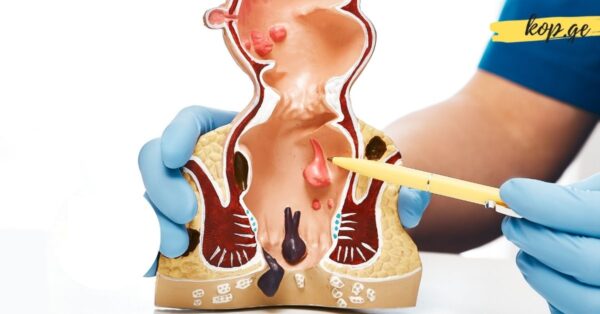
Hemorrhoids (also known as piles) are a common condition affecting the rectum and anus. They develop as a result of the enlargement and inflammation of blood vessels in the lower part of the rectum. Hemorrhoids are generally classified into two main types: internal and external. Internal hemorrhoids form inside the rectum, while external hemorrhoids develop around the anus.
This condition is often accompanied by symptoms such as pain in the rectal area, anal fissures, itching, swelling, and bleeding during bowel movements. Although hemorrhoids can be uncomfortable and sometimes distressing, they are usually not dangerous and can often be managed successfully with proper care.
How Common Are Hemorrhoids?
Hemorrhoids are extremely common. Research suggests that three out of four adults experience hemorrhoids at least once in their lifetime. In men, hemorrhoids often develop due to an unhealthy lifestyle, including prolonged sitting, lack of physical activity, or poor dietary habits. In women, pregnancy and childbirth are the most common contributing factors, as increased pressure in the pelvic area can weaken rectal blood vessels.
Fortunately, modern medicine offers effective treatments and preventive strategies. In mild cases, hemorrhoids can often be managed at home through lifestyle changes and supportive remedies.
Signs and Symptoms of Hemorrhoids
The symptoms of hemorrhoids vary from person to person. Some individuals may experience only mild discomfort, while others may have more noticeable symptoms. Common signs include:
Itching or irritation around the anus
Pain or discomfort, especially when sitting or during bowel movements
Swelling around the anal area
Bleeding during or after defecation
In many cases, symptoms may come and go, improving with rest and proper care.
How to Prevent Hemorrhoids
Prevention plays a crucial role in managing hemorrhoids and reducing the risk of recurrence. Simple lifestyle adjustments can significantly improve rectal health.
Eat a Fiber-Rich Diet
Include plenty of fruits, vegetables, legumes, and whole grains in your daily meals. Dietary fiber helps soften stools and promotes regular bowel movements, reducing the risk of constipation—one of the main causes of hemorrhoids.
Stay Hydrated
Drink at least eight glasses of water per day, along with other non-alcoholic fluids. Adequate hydration helps prevent hard stools and supports healthy digestion. Alcohol should be limited, as it may contribute to dehydration.
Avoid Straining
Holding your breath and straining during bowel movements puts excessive pressure on rectal veins. Try to relax and allow bowel movements to occur naturally.
Do Not Delay Bowel Movements
Go to the bathroom as soon as you feel the urge. Delaying can lead to harder stools and increased strain, worsening hemorrhoidal symptoms.
Traditional and Natural Supportive Remedies
In addition to lifestyle changes, traditional remedies have long been used to help relieve hemorrhoid discomfort. These methods are typically considered supportive, not curative, and should be used cautiously.
Walnut Leaf Infusion
Pour one cup of boiling water over one tablespoon of dried, chopped walnut leaves. Let the mixture steep, then strain it. Traditionally, this infusion is consumed several times throughout the day as the daily amount. Walnut leaves have been used in folk medicine for their soothing and astringent properties.
Steam Treatment (Traditional Method)
Another traditional approach involves a steam procedure. Three liters of water are boiled, and approximately 200 grams of alum (a mineral salt traditionally used in folk remedies) is dissolved in the hot water. The container is covered with a lid—preferably wooden—to retain steam.
Once the water cools slightly to a safe temperature, the steam is directed toward the affected area by sitting carefully above the container. After completing the procedure, petroleum jelly (Vaseline) is traditionally applied to the sphincter and rectal area, and a mild laxative may be used to prevent straining.
This method is traditionally performed once a week, and folk sources suggest that two to three sessions may be sufficient.
⚠️ Important Safety Note:
Steam treatments can pose a risk of burns if not performed correctly. Such methods should be approached with extreme caution and are not recommended without medical advice. Modern medical treatments are safer and more reliable.
When to See a Doctor
While mild hemorrhoids can often be managed at home, medical attention is essential if:
Bleeding is frequent or heavy
Pain is severe or persistent
Symptoms do not improve after several days
There is uncertainty about the diagnosis
Self-treatment without proper guidance can sometimes worsen symptoms or delay the diagnosis of other conditions.
Listen to Your Body
Your body often signals when something is wrong. Persistent discomfort, pain, or bleeding should never be ignored. Early intervention makes treatment easier and more effective.