


Invisible and Deadly: How to Tell If You Have Blood Clots
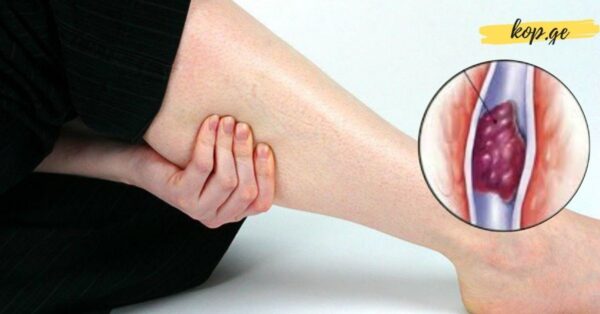
In recent months, the issue of blood clots has become a growing concern for many people. This heightened attention is largely connected to the widespread viral infections of recent years. In some cases, blood clotting has been discussed as a possible complication following illness or vaccination. Although this complication does not affect everyone, fear and uncertainty around the topic remain common. This raises an important question: how can you recognize whether a blood clot may be forming in your body, and when should you start paying close attention to the warning signs?
The formation of a blood clot, medically known as thrombosis, is considered a serious and potentially dangerous condition. What makes it especially concerning is that blood clots are often invisible from the outside, and their symptoms are not always obvious. Many people fail to recognize the signs early on, assuming discomfort will resolve on its own. However, if certain symptoms appear together, it is much safer to consult a doctor rather than waiting for the problem to disappear.
What Is a Blood Clot and Where Can It Form?
Blood clots can form anywhere in the body, because our bodies are filled with blood vessels. Arteries carry oxygen-rich blood from the heart to organs and tissues, while veins return oxygen-poor blood back to the heart so it can be re-oxygenated. Clots can form in both arteries and veins, but the symptoms and risks differ depending on their location.
Understanding the difference between arterial thrombosis and venous thrombosis is key to recognizing warning signs early.
Arterial Thrombosis
Blood clots in arteries may develop without noticeable symptoms at first, but in some cases they produce very clear and alarming signs. The severity of symptoms depends on the size of the clot and whether it partially or completely blocks blood flow. When an artery becomes fully blocked, the condition can worsen very quickly and may become life-threatening.
Signs of Blood Clots in the Arteries
Possible symptoms of arterial thrombosis include:
A cold arm or leg, depending on where the clot has formed
Pale or unusually light-colored skin on the affected limb
A weakened or absent pulse
Limited mobility in the arm or leg
Weakness in the affected limb
Pain in the area where the clot is suspected
Numbness or tingling sensations in the arm or leg
As the condition worsens, the skin near the clot may begin to itch, peel, or develop sores. In severe cases, prolonged lack of blood supply may lead to necrosis, or tissue death.
When a clot interferes with blood flow to an internal organ, pain may be felt in the area where that organ is located, and the organ itself may begin to function poorly. This is why arterial clots are often associated with serious conditions such as heart attacks and strokes, although these occur less frequently than other clot-related complications.
Venous Thrombosis
One of the most well-known and dangerous clot-related conditions is deep vein thrombosis (DVT). In this condition, blood clots typically form in the deep veins of the lower leg or thigh. Clots in the veins of the arms occur much less often.
The most severe complication of venous thrombosis occurs when part of the clot breaks off and travels through the bloodstream to the lungs. This can cause a pulmonary embolism, a life-threatening condition that requires immediate medical attention.
Warning Signs of a Blood Clot in the Leg
You should be alert if you notice the following symptoms:
Swelling in one leg (rarely both)
Redness or discoloration of the skin near the suspected clot
Sudden or severe pain in the leg
Increased sensitivity or tenderness in the affected area
These symptoms may appear gradually or suddenly, and they should never be ignored.
What Should You Do If You Suspect a Blood Clot?
If you suspect that a blood clot may be forming—especially if you experience strong, unusual pain in your leg, unexplained swelling, numbness, or changes in skin color—do not delay seeking medical help. Waiting for symptoms to resolve on their own can be dangerous.
A doctor will assess how serious the situation is and determine whether emergency treatment is required. In some cases, immediate hospitalization may be necessary. If the condition is stable, you may be given specific instructions to follow, which could include medications, lifestyle adjustments, and dietary changes.
Even if it turns out that your symptoms are not caused by a blood clot, it is always better to be examined than to miss a potentially life-threatening condition.
Why Early Detection Matters
Blood clots can develop silently, but their consequences can be severe. Early diagnosis and treatment significantly reduce the risk of complications and improve outcomes. Paying attention to your body, recognizing warning signs, and acting promptly can save lives.






















