How to Remove Fluid from the Knee Joint Naturally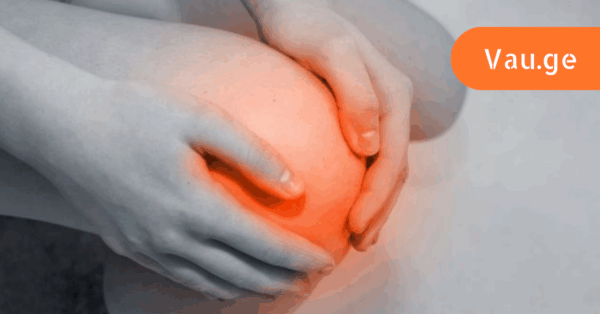
Joint health is one of the most important aspects of physical well-being, yet we rarely think about it until discomfort or pain appears. Among the most common joint issues is the accumulation of fluid in the knee joint — a condition that can cause swelling, stiffness, and significant pain. It can make even simple movements like walking or climbing stairs difficult and uncomfortable.
If you’ve ever experienced a swollen knee, you know how limiting it can be. The good news is that in addition to professional medical care, there are simple home remedies that can help relieve pain, reduce inflammation, and prevent the further buildup of fluid in the joint.
Today, we’d like to share with you a simple and natural lotion recipe that not only helps reduce knee pain, but can also prevent fluid from accumulating in the joint.
Understanding the Problem: Why Does Fluid Accumulate in the Knee?
Fluid in the knee joint — often called a knee effusion — is not a disease itself but a symptom of an underlying condition. It can be caused by injury, overuse, inflammation, or even certain diseases. The joint naturally contains a small amount of synovial fluid that lubricates and nourishes the cartilage, allowing smooth movement. However, when the joint becomes irritated or injured, it may produce excess fluid, leading to swelling and discomfort.
In recent years, knee injuries and joint-related issues have become increasingly common, affecting people of all ages — from athletes and active adults to those with sedentary lifestyles or age-related wear and tear.
Common Causes of Fluid Build-Up in the Knee
The accumulation of fluid in the knee can result from several different factors. Some of the most frequent causes include:
Fractures – Even small cracks in the bones forming the knee joint can cause inflammation and lead to the buildup of excess fluid as the body attempts to protect and heal the area.
Ligament or Meniscus Injuries – Tears in the ligaments (like the ACL) or the meniscus (the cartilage that cushions the knee) are common in sports and physical activities. These injuries trigger inflammation and often cause swelling due to fluid accumulation.
Bleeding Inside the Joint (Hemarthrosis) – When blood vessels are damaged — whether by trauma or overuse — blood can leak into the joint space, leading to swelling, warmth, and stiffness.
Arthritis – Both osteoarthritis (degenerative joint disease) and rheumatoid arthritis (an autoimmune condition) can lead to chronic inflammation and recurrent knee effusion.
Infection or Gout – Less commonly, infections or uric acid crystal buildup (in gout) can cause severe inflammation and fluid retention.
Even something as seemingly minor as a fall, intense physical stress, or repetitive strain can set off the inflammatory process that leads to swelling and the sensation of “water on the knee.”
How to Recognize That You Have Fluid in the Knee
Sometimes, fluid buildup is obvious — the knee appears visibly swollen and feels heavy. Other times, it develops gradually. Here are the key signs that may indicate you have fluid accumulation in your knee joint:
Swelling and an increase in knee size – The knee may look puffy or feel full compared to the other leg.
Limited range of motion – Bending or straightening the leg becomes more difficult or painful.
Pain or discomfort – Especially when putting weight on the affected leg or after physical activity.
Warmth and tenderness – The area may feel warmer than usual due to inflammation.
Bruising or redness – If there was a recent injury or bleeding in the joint.
These symptoms usually develop within a few hours or days after trauma or strain. If swelling and pain persist or worsen, it’s always important to seek medical advice.
When to See a Doctor
While mild cases of knee swelling can sometimes be managed at home, you should not ignore ongoing or severe symptoms. Consult a healthcare professional if:
The pain is intense or sudden
The knee is visibly deformed after an injury
You have a fever or redness suggesting infection
Swelling persists for more than a week
You cannot bear weight on the leg
A doctor can determine whether you have a joint injury, arthritis, or another underlying condition and may recommend imaging tests or fluid drainage (aspiration) if necessary.
That said, if the swelling is mild and not accompanied by serious symptoms, there are gentle, traditional methods that may help relieve discomfort naturally — including the simple salt and egg lotion we’ll describe below.
A Simple Homemade Lotion to Relieve Pain and Reduce Fluid Build-Up
This folk remedy has been used for generations and is known for its simplicity, affordability, and effectiveness. The mixture helps draw out excess fluid, reduce inflammation, and relieve pain — all with just two basic kitchen ingredients.
You will need:
1 tablespoon of salt
1 fresh egg yolk
Preparation and Application:
In a
small bowl, combine one raw egg yolk with one tablespoon of salt.
Stir the mixture thoroughly until the salt is fully dissolved and the texture becomes smooth and consistent.
Apply the resulting lotion directly to the affected knee, gently massaging it onto the swollen area.
Wrap the knee with plastic wrap or cling film to keep the mixture in place and retain warmth.
Secure the wrap with an elastic bandage or cloth to prevent it from slipping.
This compress should be left on for about two hours. After that, remove it and clean the area gently with warm water.
Repeat the process, applying a fresh lotion every two hours, aiming for five treatments per day if possible.
Why It Works
The effectiveness of this remedy lies in the natural properties of its ingredients:
Salt has long been known for its ability to draw out excess fluid, reduce swelling, and promote healing. It has mild antiseptic and anti-inflammatory properties that can help calm irritated tissues.
Egg yolk is rich in nutrients, including proteins and healthy fats that nourish the skin and joints. It acts as a natural binding and soothing agent, helping the mixture penetrate better and relieve tension in the joint.
Together, they form a simple yet potent anti-inflammatory compress that helps reduce swelling, alleviate pain, and improve circulation in the affected area.
Additional Tips for Managing Knee Swelling Naturally
To enhance the effects of the lotion and promote faster recovery, you can also follow these supportive measures:
Rest and Elevate the Leg – Avoid strenuous activities, and keep your leg elevated to reduce fluid buildup.
Cold Compresses – Applying ice for 10–15 minutes several times a day can help decrease inflammation.
Gentle Movement – Once the pain begins to subside, gentle stretching and strengthening exercises can help restore mobility.
Stay Hydrated – Drinking enough water supports lymphatic drainage and reduces inflammation.
Eat Anti-Inflammatory Foods – Include foods rich in omega-3 fatty acids, turmeric, ginger, and green vegetables to naturally support joint health.
These lifestyle adjustments, combined with the homemade lotion, can help you recover faster and prevent future fluid accumulation in the knees.
Safety and Effectiveness
One of the greatest advantages of this home treatment is its simplicity and safety. The ingredients are affordable, natural, and easy to find — and the method itself does not involve any chemicals or expensive medications.
However, remember that this is a supportive, not a substitute therapy. If you experience strong pain, ongoing swelling, or any signs of infection, you should immediately seek medical attention.
When used responsibly, this gentle natural remedy can complement medical treatment and provide real relief for people dealing with chronic knee discomfort.
In Conclusion
Knee problems can happen to anyone — whether you’re an athlete, a hard worker, or someone simply dealing with the effects of age. Fluid buildup in the knee joint can cause real discomfort, but you don’t always need complicated or costly treatments to find relief.
This simple salt and egg lotion offers a safe, accessible, and time-tested way to reduce swelling, ease pain, and help the body restore balance naturally. By combining traditional wisdom with self-care practices and, when needed, professional guidance, you can maintain the strength, flexibility, and comfort of your knees for years to come.
Try it yourself — it’s easy, affordable, and, most importantly, it works.