How to Manage Winter Atopic Dermatitis: Tips You Should Know and Follow!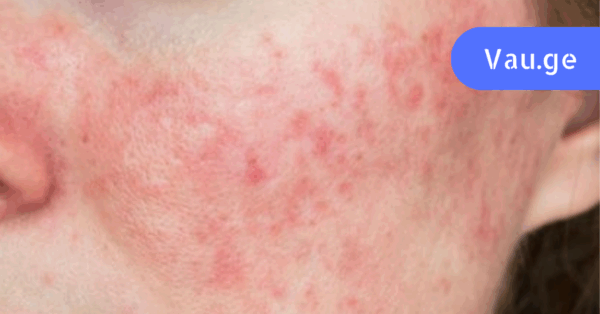
Eczema, also known as atopic dermatitis, is a chronic skin condition that affects millions of people worldwide. It often presents as patches of dry, itchy, inflamed skin, and symptoms can worsen significantly during the colder months.
If you suffer from eczema, you’re likely familiar with symptoms such as:
Persistent itching, especially at night,
Dry and scaly skin patches that can range from red to brownish-gray,
Small raised bumps that may leak fluid when scratched,
Areas of thickened, cracked, or sensitive skin.
What makes eczema especially difficult to manage is that its symptoms tend to flare up in winter, when the air is drier, and indoor heating systems further reduce humidity levels.
Let’s dive into why winter worsens eczema and the best ways to manage it during the cold months.
Why Winter Makes Eczema Worse
During winter, low outdoor humidity, combined with indoor heating, can significantly dry out your skin. Dry skin is one of the biggest triggers for eczema flare-ups.
Additionally, frequent exposure to cold wind, rapid changes in temperature (like moving from cold outdoors to a warm home), and wearing irritating fabrics such as wool can all contribute to worsening symptoms.
Eczema can affect various parts of the body, including:
The knees and elbows,
Forearms, wrists, and hands,
The face, neck, and scalp,
Even the chest, back, legs, and feet.
Given how widespread and uncomfortable eczema can become, especially in winter, it’s essential to take proactive steps to manage it.
Main Causes and Triggers of Eczema
While cold weather is a major factor, it’s not the only one. Other common triggers include:
Skin irritants (e.g., soaps, detergents, fragrances),
Stress,
Allergens, such as dust mites, pollen, pet dander, and mold,
Infections or changes in the immune system.
Managing eczema effectively requires a combination of lifestyle adjustments, skincare habits, and in some cases, medical treatments.
Top Tips to Manage Winter Eczema
Here are practical, dermatologist-approved ways to keep eczema under control during the colder months:
1. Maintain a Stable Indoor Temperature
Sudden changes in temperature can cause your skin to react negatively. Going from the cold outdoors into a heated room—or vice versa—can stress the skin barrier, increasing dryness and itching.
Tips:
Try to keep your home at a consistent temperature, ideally between 68°F to 72°F (20–22°C).
Avoid overheating your home; overly warm indoor environments can dry the air further.
Use a humidifier to keep indoor humidity around 40–50%.
2. Moisturize—And Do It Often
Moisturizing is one of the most important steps in managing eczema. Dry winter air strips your skin of natural oils, so frequent moisturizing helps repair and protect your skin barrier.
Tips:
Apply moisturizer immediately after bathing, when your skin is still slightly damp, to lock in moisture.
Use thick creams or ointments (like petroleum jelly or fragrance-free eczema creams), rather than lotions, which can be less effective.
Reapply throughout the day, especially after handwashing or exposure to cold wind.
Moisturize at least once a day, but ideally 2–3 times, depending on how dry your skin feels.
3. Choose the Right Clothing
While layering is essential for staying warm, the type of fabric you wear plays a crucial role in eczema management.
Avoid:
Wool and synthetic fabrics, which can irritate the skin and make itching worse.
Tight or scratchy clothes that rub against sensitive areas.
Wear:
Soft, breathable fabrics like 100% cotton.
Layered clothing, so you can adjust to temperature changes without overheating.
Pro tip: Wear cotton or silk undergarments beneath heavier winter gear to create a barrier between your skin and irritating fabrics.
4. Avoid Hot Baths and Showers
Hot water may feel great during cold weather, but it actually strips your skin of essential oils, leaving it even drier.
Tips:
Keep your showers or baths short (under 10 minutes).
Use lukewarm water instead of hot.
Wash with fragrance-free, gentle cleansers instead of harsh soaps.
Pat skin dry gently with a towel—don’t rub.
Moisturize immediately afterward.
5. Watch Out for Common Irritants
Many household and personal care products contain chemicals or fragrances that can trigger eczema flare-ups.
Tips:
Use fragrance-free, hypoallergenic detergents to wash clothes and bedding.
Avoid fabric softeners and heavily scented laundry products.
Choose gentle skin-care products made for sensitive skin.
Wear gloves when cleaning or washing dishes to protect your hands from soaps and hot water.
6. Manage Stress
Stress is a major eczema trigger for many people, and winter—with its shorter days and holiday pressures—can increase stress levels.
Tips:
Practice mindfulness, yoga, or meditation.
Prioritize sleep and self-care.
Talk to a mental health professional if you’re feeling overwhe
lmed.
Managing stress won’t eliminate eczema, but it can reduce the frequency and severity of flare-ups.
7. Try Over-the-Counter Treatments—Carefully
In addition to daily skincare, you might consider OTC treatments to manage itching and inflammation.
Options:
Hydrocortisone creams (low-dose corticosteroids) can help calm flare-ups.
Calamine lotion or colloidal oatmeal products can relieve itching.
Antihistamines may reduce nighttime itching, but consult your doctor before use.
Avoid overusing steroid creams, as they can thin the skin if not used correctly.
If symptoms persist or worsen, it’s always best to consult a dermatologist.
8. Apply Cold Compresses
For areas with intense itching or swelling, cold compresses can provide quick relief.
How to use:
Soak a clean washcloth in cool (not freezing) water.
Wring out excess water and apply to the itchy area for 5–10 minutes.
Moisturize afterward.
9. Wash Bedding and Clothing Carefully
What touches your skin every day—like your clothes, sheets, and towels—can either help or harm your eczema.
Tips:
Wash all clothing, bedding, and towels with detergents designed for sensitive skin, free from dyes and fragrances.
Avoid fabric softeners, which can leave irritating residues.
Rinse laundry twice, if necessary, to remove detergent residues.
When to See a Doctor
If you’ve tried all of the above and your eczema is still flaring up regularly, it may be time to consult a healthcare professional. A doctor or dermatologist can:
Prescribe stronger topical medications, like corticosteroids or calcineurin inhibitors,
Recommend light therapy (phototherapy),
Help identify specific triggers or allergens through testing.
Final Thoughts
Eczema can be frustrating to live with, especially in winter. But with a combination of preventative care, smart daily habits, and appropriate treatments, you can reduce flare-ups and keep your skin comfortable and healthy.
Remember: Be gentle with your skin, stay consistent with your skincare routine, and don’t ignore signs of worsening symptoms.
Taking these small steps every day can lead to big improvements in your skin’s health—no matter how cold it gets outside.