How to Improve Cerebral Circulation Using Folk Remedies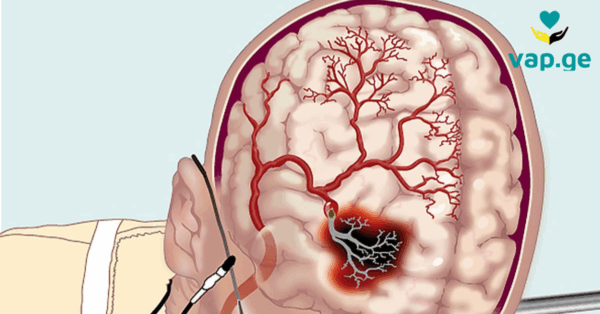
Cerebral circulation — the blood flow to and within the brain — is vital for mental clarity, coordination, memory, and overall brain health. When this circulation is impaired, whether due to aging, lifestyle, or disease, the consequences can be serious, even irreversible. Fortunately, traditional medicine and folk remedies offer a variety of ways to naturally support and restore healthy blood flow to the brain.
What Causes Poor Cerebral Circulation?
Two of the most common and serious causes of impaired cerebral circulation are hypertension (high blood pressure) and atherosclerosis (hardening and narrowing of the arteries due to plaque build-up). These conditions disrupt the flow of oxygen-rich blood to the brain, gradually damaging brain cells and leading to a range of cognitive and neurological issues.
Key consequences include:
Reduced memory and concentration
Poor coordination and balance
Muscle weakness and movement disorders
Vision problems
Increased risk of stroke
Chronic fatigue
Cognitive decline and, eventually, dementia
A chronic condition caused by poor brain circulation is called discirculatory encephalopathy. This disorder is particularly insidious because its symptoms often develop slowly and may go unnoticed — not only by others but even by the person experiencing them. Many people attribute signs of cognitive slowing or forgetfulness to normal aging and ignore early warning signs.
Early Warning Signs of Brain Circulation Issues
Difficulty completing routine tasks
Forgetfulness or trouble concentrating
Fatigue, especially after mental tasks
Dizziness or lightheadedness
Headaches or pressure in the head
Changes in mood or personality
By the time these symptoms interfere with daily responsibilities — like work, driving, or managing finances — it’s often a sign that the condition has progressed. Left untreated, cerebral circulation problems can result in irreversible brain damage, leading to rapid cognitive decline and even full dependency.
Major Risk Factors
High blood pressure – damages small arteries and limits blood supply to brain regions
Atherosclerosis – cholesterol plaques narrow arteries and limit blood flow
Smoking – harms blood vessels and increases clot risk
Obesity – linked to inflammation and blood pressure problems
High cholesterol – directly contributes to arterial plaque build-up
Sedentary lifestyle – limits blood flow and oxygenation
Diabetes – accelerates vascular damage
Chronic stress – increases cortisol and vascular strain
Natural Approaches to Improve Brain Blood Flow
Here are some traditional and folk methods that have been used for centuries to promote cerebral circulation, reduce risk factors, and enhance brain function.
1. Healing Mixture to Strengthen Blood Vessels and Boost Brain Function
This natural remedy combines antioxidant-rich berries, raw honey, and medicinal herbs to strengthen blood vessels, enhance memory, and stimulate brain circulation.
Ingredients:
500 grams (about 2½ cups) of blueberries or bilberries (fresh or frozen)
350 grams (about 1¼ cups) of high-quality raw honey
1 small (approx. 150 grams) finely grated horseradish root
Preparation:
Wash and mash or blend the berries into a pulp.
Peel and finely grate the horseradish root.
Mix the berry pulp with honey and horseradish.
Blend the entire mixture thoroughly using a mixer or food processor.
Store in clean glass jars and refrigerate.
How to Use:
Take 2–3 teaspoons, three times a day after meals, preferably with warm herbal tea.
If you prefer a sweeter flavor and have no restrictions on sugar intake, you can increase the honey amount to 500 grams.
This mixture provides natural vitamins, flavonoids, and compounds that support capillary strength, reduce inflammation, and improve blood flow to the brain.
2. Periwinkle Tincture – A Potent Folk Remedy for Cerebral Circulation
Periwinkle (Vinca minor) is a traditional herbal medicine known for its vasodilatory and neuroprotective effects. It increases cerebral arterial blood flow, enhances microcirculation, and prevents the deposition of atherosclerotic plaques on the walls of blood vessels.
It is especially valuable in managing:
Atherosclerosis-related brain disorders
Parkinson’s disease
Post-encephalitic complications
Chronic headaches and dizziness
Cognitive slowing due to aging
In modern terms, periwinkle exhibits nootropic effects — meaning it enhances brain performance, improves concentration, and supports memory.
How to Make Periwinkle Tincture at Home
Ingredients:
100 grams of chopped periwinkle herb
1 liter of 70% medical alcohol or vodka
Preparation:
Place the chopped herb in a clean glass container.
Pour the alcohol over the herb.
Seal the container tightly.
Let the mixture sit in a cool, dark place for 20 days.
Shake occasionally.
After 20 days, strain and store in a dark glass bottle.
Dosage:
Take 10 drops, diluted in ⅓ cup of water, twice daily (morning and midday).
Continue for a 5–6 month cycle for optimal results.
This tincture works gradually, improving blood flow, reducing inflammation, and supporting brain resilience.
3. Additional Lifestyle Tips to Support Brain Circulation
While folk remedies can be powerful, they work best in combination with a healthy lifestyle. Consider incorporating the following habits:
🧠 Eat brain-friendly foods:
Fatty fish (omega-3s)
Leafy greens (nitrates, antioxidants)
Beets (increase nitric oxide)
Berries (flavonoids)
Nuts and seeds (vitamin E, healthy fats)
🧘♂️ Practice regular physical activity:
Even moderate movement like walking, swimming, or yoga can increase cerebral blood flow, reduce blood pressure, and help maintain vessel elasticity.
💤 Prioritize quality sleep:
Poor sleep disrupts brain detoxification and contributes to cognitive decline. Aim for 7–9 hours per night.
🚭 Avoid tobacco and excess alcohol:
These substances damage blood vessels and impair circulation.
💧 Stay hydrated:
Dehydration reduces blood volume and makes circulation more sluggish.
4. Other Folk Remedies Often Used
Ginkgo biloba tea or tincture: Known for enhancing memory and increasing cerebral blood flow.
Garlic and lemon mixture: Helps reduce cholesterol and improve vascular elasticity.
Hawthorn berry infusions: Traditionally used to support heart and blood vessel health.
Rosemary tea: Mild stimulant for circulation and cognition.
Turmeric with black pepper: Anti-inflammatory and may improve blood vessel function.
Final Thoughts
Impaired cerebral circulation is a condition that often sneaks up quietly but can have devastating consequences if left unaddressed. By recognizing early signs and taking action through a combination of traditional wisdom and modern health practices, you can protect and even restore brain health.
Folk remedies such as the berry-honey-horseradish mix and periwinkle tincture offer natural, accessible options to support your cerebral circulation. However, they should not replace medical treatment for serious conditions like hypertension or atherosclerosis.
Prevention is always better than cure. If you experience signs of poor circulation or cognitive slowing, consult your healthcare provider and begin integrating gentle, effective remedies and habits into your daily routine.
With consistent care, the brain can remain sharp, resilient, and full of life — well into old age.