How to Treat Veins at Home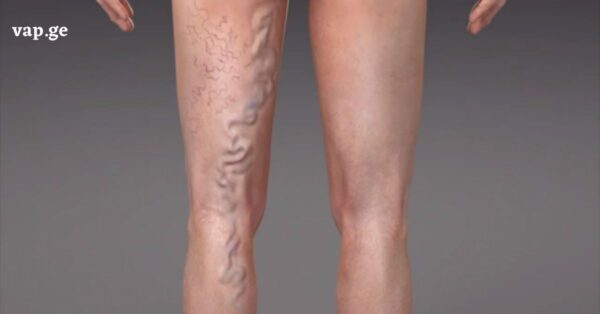
Superficial vein disease can develop in both men and women of nearly any age and activity level. In many people, it manifests as visible varicose veins; in others, the disease may exist without obvious external signs.
Varicose Veins
Varicose veins appear just under the skin in the legs. These dilated veins are often easy to see, since they become thickened and twisted. In individuals with excess weight, detecting them may be harder because they can be hidden by subcutaneous fat.
Below are several home remedies and supportive practices that some people use to manage vein discomfort and appearance. While these remedies are widely circulated in folk and herbal medicine, they are not substitutes for professional medical evaluation or treatment. Before trying any remedy, especially if you have serious symptoms (pain, swelling, ulcerations, or signs of deep venous thrombosis), discuss it with a qualified healthcare provider.
Home Remedies & Herbal Treatments
1. Horse Chestnut Infusion
Take 1 tablespoon of horse chestnut flowers and fruit (coarsely chopped or crushed).
Place them in a jar and add 100 mL of brandy (or another strong alcoholic base).
Store in a cool, dark place for one week, shaking gently every day.
After one week, strain the infusion.
Take 30 drops, three times per day, before meals. Take with water.
Horse chestnut is a well-known traditional remedy used in many cultures to support vein health, often attributed to its potential to reduce inflammation and strengthen vascular walls. However, quality, purity, and safety dosage must be considered carefully. Always start with a low dose and observe your body’s response.
2. Walnut Leaf Decoction
Take 1 tablespoon of walnut leaves (fresh or dried).
Pour 1 cup of boiling water over them.
Let it steep like tea (cover and let it sit).
Drink ¼ cup, four times a day.
Walnut leaves are often used in folk medicine for their purported vascular toning and astringent effects.
3. Kalanchoe Tincture for Topical Use
Take a half‑liter jar. Fill it halfway with crushed leaves of kalanchoe (a succulent commonly used in herbal remedies).
Fill the rest with alcohol (or strong spirit).
Let it macerate for one week in a cool, dark place, shaking occasionally.
After a week, filter the liquid.
Use the tincture to massage your legs at night, working from the ankles up toward the thighs.
Continue nightly use; you may see relief in pain fairly soon, but for visible improvement of the vascular network, you may need 3 to 4 months of consistent application.
This remedy is commonly recommended in folk and home remedy circles. The mechanism is believed to support circulation and reduce capillary fragility, though scientific evidence is limited.
4. Yarrow (Berula) Soak / Bath
Use 200 grams of fresh or dried yarrow (Berula, or “შველი” in Georgian herbal context).
Place it in a bowl and pour in enough boiling water to cover.
Cover it and steep for one hour.
Once cooled to warm (comfortable) temperature, soak your legs in the infusion for 30 minutes.
To maintain warmth, you can add small amounts of hot water as needed to keep it from cooling.
This kind of warm bath or soak is soothing, helps local blood flow, and can ease heaviness in the legs. Some also suggest this is helpful for people with high blood pressure (hypertension), as mild leg baths may induce peripheral vasodilation (expansion of small blood vessels), which could modestly reduce arterial pressure — though this effect is usually mild and short-lived.
5. Spicy Avşan (Herbal Pack) with Yogurt
Take one handful of spicy avşan (a local herb) and crush it.
Mix with 0.5 liters of yogurt to form a paste.
Spread the mixture onto a soft cloth or gauze bandage.
Apply it directly to the legs, especially over the bulging veins.
Elevate your legs (resting them on a pillow) and cover with plastic film (to hold in heat and moisture).
Leave on for 30 minutes, then remove.
This type of herbal compress is intended to combine topical anti‑inflammatory or circulation‑stimulating effects from the herbs with mild heat and compression from the wrap.
Supportive Measures & Lifestyle Tips
While the above remedies may provide symptomatic relief, addressing underlying factors and lifestyle habits is crucial:
Compression stockings or support garments: Graduated compression socks or stockings are one of the best noninvasive ways to relieve symptoms (pain, swelling) and slow the progression of varicose veins. Use a grade appropriate to your condition, under medical guidance.
Elevation of the legs: Whenever possible, raise your legs above the level of the heart (e.g., lying down with pillows under the calves or lying on a couch) to help venous drainage.
Movement and exercise: Regular walking, cycling, swimming, or leg‑strengthening exercises help improve circulation in the legs, promote venous return, and reduce venous stasis.
Weight control: Maintaining a healthy weight reduces pressure on veins in the legs and pelvis.
Avoid prolonged standing or sitting: If your lifestyle or job forces you to stand or sit long hours, take frequent short breaks to walk around or stretch your legs.
Avoid tight clothes: Avoid constrictive garments around the thighs, groin, or calves that impair blood flow.
Dietary support: Focus on a balanced diet rich in antioxidants, vitamin C, bioflavonoids (found in citrus fruits, berries, green tea), and fiber (to prevent constipation, which can exacerbate venous pressure). Staying well-hydrated is also beneficial.
Massage and gentle skin care: Gentle upward stroking massage of the legs (from ankles toward thighs) can aid circulation, especially when combined with suitable oils or creams. Avoid deep pressure over varicose veins themselves, unless directed by a specialist.
Cold or contrast baths: Alternating warm and cool water (contrast hydrotherapy) for the legs may stimulate circulation and reduce swelling. Begin with warm water, then switch to cooler, and cycle several times, always ending with cooler.
Avoid excessive heat exposure: Prolonged exposure to hot baths, saunas, or hot tubs can dilate veins and worsen varicose symptoms. Keep leg baths warm, not scalding.
Safety, Warnings, and When to Seek Medical Help
These home remedies are complementary measures, not cures. They work best for mild or moderate symptoms.
Do not rely solely on home treatments if you have serious signs like skin ulcers, persistent swelling, bleeding from veins, or intense pain.
People taking anticoagulant therapy, pregnant women, or individuals with liver, kidney, or cardiovascular problems should be especially careful with herbal or alcohol-based remedies.
Some herbs (like horse chestnut) may interact with medications or have side effects (such as digestive upset, allergic reactions, or effects on blood clotting). Always begin with a small test dose and monitor for adverse effects.
If symptoms worsen or new symptoms appear, consult a phlebologist, vascular specialist, or dermatologist.
Why Consistency and Patience Matter
Improvement in varicose veins and vein health usually takes time and persistence. The visible appearance of veins, relief from heaviness or pain, and reduction in swelling may take weeks to months of regular care. The herbal or home practices listed above are more likely to improve symptoms than fully erase varicose veins, but combined with lifestyle modifications and medical supervision, they can play a supportive role.
Vap.ge is a space dedicated to sharing advice about health, self‑care, and daily living. Our mission is to offer you information on natural remedies and practical recipes that help you improve your health, enhance your beauty, and streamline your everyday tasks — all from the comfort of home. Most importantly, you can enjoy the process while saving significant costs.
Through our articles, we provide:
Tips for proper sleep and posture that support vascular health
Natural approaches to ease muscle and vein discomfort
Step‑by‑step instructions and cautions for herbal and homemade treatments
Suggestions to integrate healthy lifestyle changes into your daily life
By combining small, consistent changes — how you sleep, how you sit and walk, what you feed your body — you can alleviate discomfort, support vascular function, and live more comfortably.