How to Prevent Nighttime Leg Cramps: Essential Tips for Relief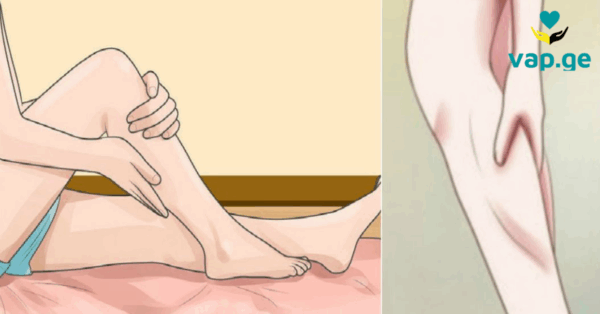
Nighttime leg cramps are a widespread problem affecting millions of people worldwide. Also called nocturnal leg cramps, these sudden and involuntary contractions of the muscles in the legs, calves, thighs, or feet can be surprisingly painful and disruptive. They often occur during sleep and can last anywhere from a few seconds to several minutes, jolting individuals awake with sharp, intense discomfort.
Despite being so common, many people struggle to understand the cause of these cramps, and even more struggle to find effective relief. Understanding the difference between nighttime leg cramps and other conditions like restless leg syndrome (RLS) is crucial. While both involve leg discomfort, they are distinct conditions:
Restless Leg Syndrome (RLS): People with RLS experience an uncontrollable urge to move their legs to relieve discomfort. The sensations are often tingling, creeping, or crawling feelings rather than sudden pain.
Nighttime Leg Cramps: These are involuntary, intense muscle contractions that make it impossible to move the leg normally during the cramp. They are generally more painful than RLS and are often triggered by specific physiological factors.
Causes of Nighttime Leg Cramps
Medical experts have not yet identified a single definitive cause of nocturnal leg cramps. Instead, research suggests that multiple factors may contribute. Some of the most common causes and risk factors include:
Nutritional deficiencies: A lack of magnesium, calcium, potassium, and iodine can make muscles more prone to cramping.
Dehydration: Insufficient fluid intake can cause muscles to become tight and more susceptible to spasms.
Pregnancy: Hormonal changes and additional weight on the legs increase the likelihood of cramps in pregnant women.
Medication side effects: Certain medications, especially diuretics or medications affecting electrolyte balance, may trigger leg cramps.
Poor circulation: Limited blood flow to the muscles can lead to spasms, especially during sleep.
Overworked muscles: Intense physical activity, prolonged standing, or sitting for long periods can lead to muscle fatigue and nighttime cramps.
Cold exposure: Extended exposure to low temperatures can cause muscles to tighten and cramp.
Underlying medical conditions: Thyroid disorders, diabetes, or neurological disorders may contribute to the frequency or severity of cramps.
Symptoms to Watch For
Typical signs of nighttime leg cramps include:
Sudden, sharp pain in the calf, thigh, or foot.
Muscle stiffness that can last minutes after the cramp subsides.
Temporary soreness or tenderness in the affected muscle.
Disrupted sleep due to repeated cramps.
Although occasional leg cramps are generally harmless, frequent or severe cramps may require a medical evaluation to rule out underlying conditions.
Tips to Prevent and Relieve Nighttime Leg Cramps
The good news is that there are many effective strategies you can adopt to prevent and manage nighttime leg cramps, most of which are simple and can be integrated into your daily routine.
1. Regular Physical Activity
Maintaining consistent exercise and staying physically active is essential to prevent muscle cramps at night. Gentle activities like walking, yoga, swimming, or stretching help keep muscles flexible and improve circulation. Avoid prolonged periods of sitting or standing in one position, as this can contribute to muscle tightness.
2. Stretching Exercises
If you wake up in the night with a painful leg cramp, stretching the affected muscle can provide immediate relief. For calves, try:
Standing and leaning forward slightly, keeping your heels on the ground.
Pulling your toes toward your head while keeping the leg straight.
For thighs, gentle quadriceps stretches by pulling your ankle toward your glutes can help relax the muscle. Regular pre-sleep stretching routines can also reduce the frequency of nighttime cramps over time.
3. Stay Hydrated
Drinking plenty of water throughout the day keeps your muscles hydrated and functional, reducing the risk of cramping at night. Dehydration can lead to electrolyte imbalances that directly impact muscle contractions. Consider supplementing water intake with natural electrolyte sources, especially after heavy exercise or hot weather.
4. Massage and Acupuncture
Massage therapy and acupuncture can help soothe tight muscles and promote relaxation. Regularly massaging the calves, thighs, and feet can improve circulation and reduce muscle tension. Acupuncture, practiced by trained professionals, targets specific points to relax muscles and may provide long-term relief for those prone to nighttime cramps.
5. Increase Magnesium Intake
Magnesium deficiency is one of the most common nutritional causes of leg cramps. This essential mineral plays a crucial role in muscle contraction and relaxation, nerve function, and overall muscle health. To prevent cramps, incorporate magnesium-rich foods into your diet:
Nuts and seeds (almonds, pumpkin seeds, sunflower seeds)
Avocados
Dried fruits (apricots, prunes)
Bananas
For targeted relief, you can also use topical magnesium. One effective home method is to create a magnesium oil spray:
Boil ½ cup of filtered water.
Add ½ cup of magnesium chloride flakes.
Allow the mixture to cool.
Massage onto calves, thighs, or other cramp-prone areas before bedtime.
This helps muscles absorb magnesium directly and may prevent nocturnal cramps.
Lifestyle Adjustments
In addition to diet and exercise, consider these daily habits:
Adjust sleep position: Avoid sleeping with your feet pointed downward. Flexing your feet slightly upward can keep muscles relaxed.
Wear supportive footwear: Shoes with proper arch support can reduce muscle strain in the legs and calves.
Moderate alcohol and caffeine: Both can contribute to dehydration and increase the risk of cramps.
Maintain a warm environment: Keeping your bedroom warm can help prevent muscles from tightening during sleep.
When to Seek Medical Advice
While most nighttime leg cramps are harmless, consult a doctor if:
Cramps occur very frequently (multiple times per week).
They are extremely painful or last longer than a few minutes.
You notice swelling, redness, or weakness in the affected muscles.
Other symptoms such as numbness, tingling, or persistent fatigue are present.
A healthcare provider can assess whether underlying conditions, such as vascular problems, nerve compression, or metabolic disorders, may be contributing to your cramps.
Final Thoughts
Nighttime leg cramps are a common but often preventable condition. By understanding the causes and adopting practical strategies, you can significantly reduce the frequency and severity of cramps. Key steps include:
Staying physically active and stretching regularly
Drinking enough water and maintaining electrolyte balance
Using magnesium-rich foods or topical magnesium applications
Massaging tense muscles and considering acupuncture
Adjusting lifestyle habits to support muscle health
With consistent attention to these factors, you can enjoy pain-free nights, better sleep, and stronger leg muscles. Nature, nutrition, and movement all play a vital role in keeping your legs relaxed and preventing those unwelcome nighttime cramps.