Guava: Delicious, Healthy, and Full of Benefits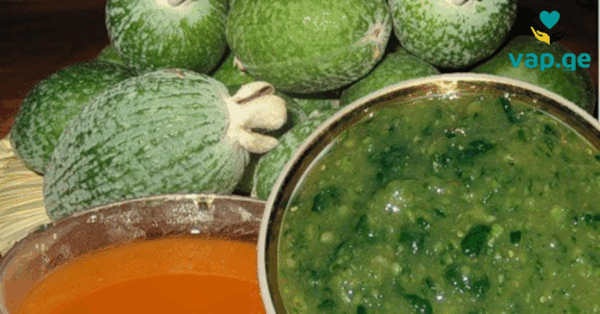
Guava is a tropical fruit known for its sweet, unique flavor and remarkable health benefits. While many people enjoy guava primarily for its taste, its nutritional value makes it an equally valuable addition to a balanced diet. Rich in vitamins, minerals, and bioactive compounds, guava offers numerous health advantages, supporting everything from immune function to antioxidant protection.
Despite its many benefits, some people hesitate to consume the fruit with its skin. This is understandable, as the outer layer can have a slightly astringent or tart taste, which may not appeal to everyone. However, the skin is where many of the fruit’s most potent bioactive compounds reside, making it one of the most valuable parts of guava.
The Nutritional Power of Guava Skin
Guava skin contains phenolic compounds, including catechins and leucoanthocyanins, which are biologically active substances. These compounds act as powerful antioxidants that help neutralize harmful free radicals in the body. Free radicals are known to contribute to aging, inflammation, and various chronic diseases, including cancer. By consuming guava with its skin, you benefit from these protective compounds, supporting cellular health and overall longevity.
Yet, because the skin’s taste can sometimes be a bit tart or astringent, many people prefer to remove it. Fortunately, there is a simple way to enjoy the skin’s benefits without compromising taste: remove the skin, dry it, and brew it as tea. This method preserves the antioxidants while providing a mild, flavorful beverage that maximizes health benefits.
Using Guava Flesh in Culinary Preparations
The inner flesh of guava is versatile and can be used to create a wide variety of delicious dishes. Its sweet, aromatic taste makes it suitable for both sweet and savory recipes. Here are some ways guava can be incorporated into your meals:
Salads: Add fresh guava slices to fruit or vegetable salads for a unique flavor and nutritional boost. It pairs especially well with citrus fruits, leafy greens, nuts, and cheeses.
Sauces for Meat: Guava can be blended into savory sauces or marinades for chicken, pork, or seafood, providing a natural sweetness that balances spices and enhances flavor.
Baked Goods: The fruit can be incorporated into cakes, muffins, and tarts, either as a puree or as pieces mixed into the batter. Guava adds moisture, flavor, and natural sweetness to baked treats.
Guava Jam or Marmalade: One of the most popular ways to enjoy guava is as a homemade jam. The fruit’s natural sweetness intensifies when cooked with sugar, creating a preserve that can be used on bread, pastries, or in desserts.
A simple and effective method for preparing guava preserves at home is as follows:
Pass the guava flesh through a food mill or blender.
Mix the pulp with sugar at a ratio of 0.7–1 kg sugar per 1 kg guava if storing at room temperature. If storing for longer periods, the sugar ratio can be increased to 2 kg per 1 kg guava.
Cook the mixture until it reaches a thick consistency.
This “raw” guava preserve retains most of the fruit’s nutrients, making it an excellent natural supplement for boosting immunity and supporting overall health.
Health Benefits of Guava
Guava is more than just a tasty fruit—it is a nutritional powerhouse. Some of the key health benefits include:
Rich in Vitamin C: Guava contains an exceptionally high concentration of vitamin C, often exceeding that of oranges. Vitamin C supports the immune system, aids collagen production, protects against free radicals, and improves skin health.
Supports Immune Function: Regular consumption of guava strengthens the immune system, helping the body resist infections and recover more quickly from illness.
Digestive Health: Guava is a good source of dietary fiber, which promotes healthy digestion, prevents constipation, and supports overall gut health.
Antioxidant Protection: Phenolic compounds in guava act as antioxidants, reducing oxidative stress, slowing the aging process, and lowering the risk of chronic diseases.
Skin and Hair Health: The combination of vitamins, antioxidants, and minerals in guava promotes skin regeneration, enhances hair strength, and helps maintain healthy nails.
By consuming both the flesh and the properly prepared skin, you can maximize the fruit’s health benefits while enjoying its delightful flavor.
Making the Most of Guava When in Season
Guava is a seasonal fruit, so it’s important to take advantage of its availability. When fresh guava is accessible, you can:
Eat it raw for a refreshing and nutrient-packed snack.
Make juice, smoothies, or purees for use in cooking or beverages.
Prepare guava preserves or dried guava for year-round consumption.
Brew tea from the dried skin to capture the antioxidants without the tart taste.
Keeping a supply of homemade guava jam or dried guava ensures that you continue to benefit from its vitamins and bioaive compounds even when the fruit is out of season.
Tips for Using Guava Effectively
Wash Thoroughly: Rinse the fruit carefully to remove any dirt or residues, especially if you plan to consume the skin.
Use Fresh or Properly Dried Fruit: Fresh guava has the highest nutrient content, but dried or preserved guava can still provide significant benefits.
Balance Sugar for Preserves: When making jams or marmalades, adjust the sugar level based on storage conditions and taste preferences, ensuring both safety and flavor.
Combine with Other Ingredients: Guava pairs well with citrus, berries, leafy greens, nuts, and spices, which can enhance both flavor and nutritional value.
Incorporate Regularly: Consistent consumption, whether as fresh fruit, tea, or preserves, allows you to fully enjoy the immune-boosting and antioxidant properties of guava.
Conclusion
Guava is more than just a sweet, tropical fruit. Its flesh and skin provide a wealth of nutrients and bioactive compounds that support immunity, promote healthy digestion, protect against oxidative stress, and maintain skin and hair health. By understanding the balance between taste and nutrition, you can enjoy guava in multiple ways—fresh, cooked, or preserved—without sacrificing its remarkable health benefits.
When guava is in season, make the most of this incredible fruit. Brew tea from the skin, incorporate the pulp into meals, or prepare jams and preserves to enjoy its benefits year-round. This simple, delicious fruit is not only a treat for your taste buds but also a natural ally for maintaining health and vitality.
Take advantage of guava’s accessibility, and make it a regular part of your diet to protect your body, strengthen your immune system, and enjoy a delicious way to stay healthy.