Folk Remedies That Can Help Improve Your Condition During a Spinal Hernia
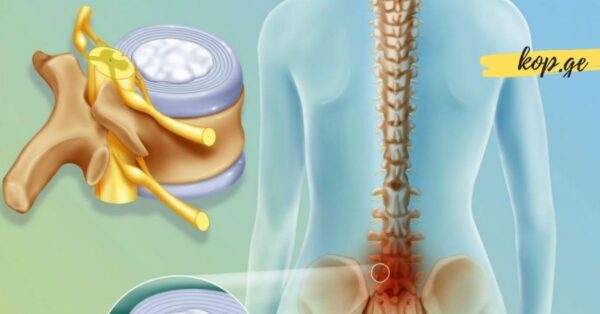
Spinal pathologies are common and can cause significant discomfort and limitations in daily life. Among these, one of the most frequent issues is a herniated intervertebral disc. This condition, also referred to as diskosis, is considered one of the most complicated stages of osteochondrosis, typically representing its fourth stage.
Osteochondrosis is a degenerative disease of the spine, characterized by deformation of the vertebrae and joints, the formation of bone spurs, and narrowing of the intervertebral spaces. These changes can disrupt the normal functioning of the spine, lead to nerve compression, and provoke pain, numbness, or weakness in the limbs.
The intervertebral disc itself is a cartilaginous structure that primarily serves as a shock absorber for the spine. Herniation of this disc can occur in various regions of the spine, including the lumbar (lower back), cervical (neck), and thoracic (chest) regions. Herniated discs are most commonly observed in people aged 30 to 50 and are slightly more prevalent in men than in women.
Interestingly, not every herniated disc requires active treatment. If the disc does not compress nearby nerves, severe symptoms may not appear, and the condition can sometimes be managed conservatively.
Causes of Spinal Hernias
Several factors contribute to the development of a herniated disc, including:
Osteochondrosis – degeneration of spinal structures.
Scoliosis, kyphosis, or lordosis – abnormal curvatures of the spine.
Spinal injuries – trauma from falls, accidents, or sudden impacts.
Rheumatic diseases – conditions that affect connective tissue and joints.
Congenital spine conditions – abnormalities present from birth.
Age-related changes – natural deterioration of intervertebral discs and supporting tissues.
Additionally, certain actions can provoke or worsen symptoms:
Lifting heavy weights incorrectly.
Sudden or jerky movements.
Falls or blows that impact the spine.
When a herniated disc grows large enough, it can press on adjacent nerve roots, causing pain that may radiate to the legs or arms depending on the affected spinal region. This pain can interfere with sleep, mobility, and overall quality of life.
Folk Remedies to Improve Condition
While medical intervention is sometimes necessary, folk remedies can play a supportive role in managing symptoms and alleviating discomfort associated with a herniated disc. These remedies are often natural, safe, and can be applied at home alongside medical guidance.
Potato Compress
Potatoes are a simple yet effective remedy for pain and inflammation. To prepare a potato compress:
Take medium-sized potatoes and slice them into thin rounds or grate them.
Apply the potato slices directly to the painful area of your spine.
Secure the compress with a clean cloth and leave it for a few hours.
Repeat daily until pain subsides.
The potato’s natural enzymes help reduce inflammation and soothe irritation in the affected area.
Garlic in Oil Compress
Garlic is known for its anti-inflammatory and analgesic properties. It can help relieve nerve irritation caused by a herniated disc. To prepare a garlic compress:
Chop 10 cloves of garlic and lightly sauté them in warm vegetable oil for a few minutes.
Apply the warm garlic oil mixture to the affected area.
Cover with a cloth and leave it for about three hours.
This treatment gradually reduces pain and inflammation. Garlic contains compounds that improve blood circulation and help tissues heal, which can contribute to the recovery process.
Additional Tips
While these folk remedies are useful, they work best when combined with healthy lifestyle habits:
Maintain proper posture throughout the day, especially when sitting for long periods.
Avoid lifting heavy objects incorrectly and incorporate ergonomic practices into daily life.
Perform gentle stretching and strengthening exercises for the back and core muscles to support spinal health.
Include anti-inflammatory foods in your diet, such as turmeric, ginger, and leafy greens.
Stay hydrated and maintain a balanced diet to support tissue repair and joint health.
Folk remedies are most effective when symptoms are mild to moderate. In severe cases, or if you experience significant numbness, weakness, or loss of bladder and bowel control, seek immediate medical attention, as these may indicate nerve compression requiring professional treatment.
Final Thoughts
Herniated discs can be painful and challenging, but with a combination of folk remedies, healthy lifestyle habits, and professional guidance, you can manage symptoms and improve your quality of life. Potato and garlic compresses are simple, affordable, and effective ways to support spinal health at home.
It’s important to remember that preventive care—including exercise, posture awareness, and diet—can reduce the likelihood of developing herniated discs or worsening existing conditions. Folk remedies should complement, not replace, medical treatment, ensuring a holistic approach to spinal health.
Kop.ge provides advice on health, personal care, and daily living, offering natural remedies and tips that are easy to implement at home. Following these tips can save money, improve well-being, and make everyday life easier. Integrating folk remedies and preventive measures into your routine can enhance health, reduce discomfort, and support the body’s natural healing processes.
Folk remedies like potato and garlic compresses are not only accessible but also safe for home use, helping to manage spinal hernia symptoms effectively when applied consistently and correctly.