Don’t Call It a Weed — This Herb Is One of the Best for Improving Your Health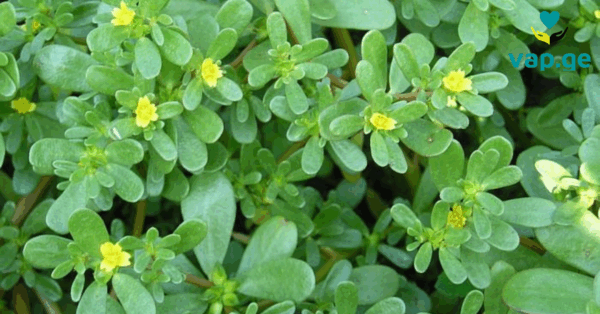
I would have never imagined it myself — yet this plant grows in almost every yard, garden, and even between sidewalk cracks. Despite its humble appearance, purslane (Portulaca oleracea), known in many regions as danduri, is one of the most nutritious and healing herbs found in nature.
Although it originated in ancient Persia and India, today purslane grows on nearly every continent. In some cultures, it is cultivated intentionally and valued as a nutritious vegetable. In others, it is dismissed as nothing more than a weed and tossed out with dead leaves and unwanted garden debris. But this underestimated plant deserves far more respect.
A Surprisingly Hardy and Nutritious Plant
Purslane is easy to recognize by its thick, juicy leaves and small yellow flowers. It may not be the most visually striking plant, but its internal composition is truly extraordinary.
One of its most fascinating features is its exceptionally durable seeds. Purslane seeds can remain viable for up to 40 years, continuing to sprout even after decades in the soil. This longevity is a testament to the plant’s resilience and remarkable evolutionary strength.
Yet the real wonder of this plant lies not just in its durability, but in its supercharged nutritional profile. Many people around the world use purslane to strengthen their immune system, boost energy levels, and support overall health — and for good reason.
Rich in Vitamin A — A Powerful Vision and Immunity Booster
Purslane stands out as one of the richest sources of vitamin A among all leafy green vegetables. Vitamin A is well known for its essential role in maintaining healthy vision, particularly in low-light conditions. It also contributes to a strong immune system and supports the health of skin, lungs, and mucous membranes.
Furthermore, vitamin A is associated with protection against several types of cancer. Regular consumption of vitamin A–rich foods like purslane may help reduce the risk of cellular damage and abnormal cell growth.
A Strong Natural Antioxidant Source
Purslane contains two types of betalain alkaloid pigments, both of which possess strong antimutagenic and antioxidant properties. This means they help:
protect cells from oxidative stress
neutralize harmful free radicals
slow down the aging process
prevent damage to DNA, proteins, and cell membranes
These properties make purslane a natural shield against chronic diseases and inflammation.
But the plant’s nutritional strengths do not end there. Purslane is also an excellent source of:
Vitamin C – boosts immunity and skin health
B vitamins, including niacin and riboflavin – essential for energy production and brain function
Carotenoids – known for improving eye health and reducing inflammation
Minerals such as calcium, magnesium, iron, potassium, and manganese
This unique combination of vitamins, antioxidants, and minerals positions purslane among the most beneficial wild plants available.
Purslane: A Forgotten Superfood
In many Western countries, purslane has recently re-emerged as a “superfood.” Nutritionists, herbalists, and chefs are rediscovering its enormous health value. The plant is now celebrated for its:
high nutritional density
pleasant mild flavor
culinary versatility
natural medicinal effects
It can be eaten raw in salads, blended into smoothies, lightly sautéed like spinach, or added to soups and stews. Its leaves have a refreshing, slightly lemony taste and a crunchy texture, making it easy to incorporate into everyday meals.
People who consume purslane regularly often report increased vitality, better digestion, improved skin health, and a strengthened immune system.
Traditional and Modern Uses
Historically, purslane has been used in various cultures for:
calming digestive problems
reducing inflammation
supporting cardiovascular health
relieving skin irritation
easing menstrual discomfort
accelerating wound healing
Modern studies show that purslane is an excellent plant-based source of omega-3 fatty acids, particularly alpha-linolenic acid (ALA), which is usually found in fish. This makes purslane extremely valuable for people who follow a plant-based diet or want to increase their omega-3 intake naturally.
These fatty acids support:
heart health
brain function
reduced inflammation
improved mood and cognitive clarity
Very few wild plants contain omega-3s in such high concentrations, making purslane truly unique.
A Natural Source of Strength and Well-Being
With its treasure-like combination of nutrients — antioxidants, vitamins, minerals, omega-3s, and special phytonutrients — purslane acts as a natural multivitamin. It supports nearly every system of the body, from the immune system to the nervous system, from the skin to the eyes.
It also helps:
balance blood sugar
protect against oxidative stress
improve cellular regeneration
enhance metabolic health
Considering all these benefits, it becomes clear why so many herbal traditions around the world value purslane so highly.
Conclusion: A Powerful Plant Growing Right Under Our Feet
Purslane is not a weed — it is one of the most underrated medicinal and nutritional plants available. Instead of buying expensive supplements and synthetic vitamins, many of the nutrients we need for strong health are growing freely in our gardens and yards.
This plant is:
easy to recognize
easy to harvest
rich in essential nutrients
scientifically backed
and remarkably beneficial for your overall health
Why throw away such a powerful plant when nature has placed it right at your doorstep?
Purslane truly is a gift from the earth — a natural, accessible, and incredibly effective superfood.