Do You Also Have Fluid Accumulating in Your Knee Joint? Discover the Easiest Way to Get Rid of It!
Nowadays, an increasing number of people suffer from a condition known as joint effusion—specifically, the buildup of fluid in the knee joint. This issue can affect individuals of all ages, though it is more common in older adults, athletes, or people who engage in physically demanding work. While it may start off as a minor discomfort, fluid accumulation in the knee can lead to significant pain, stiffness, and restricted movement if left untreated.
But why does this happen? What causes fluid to build up in the knee joint?
There are several potential causes behind this uncomfortable and often painful condition. One of the most common is physical trauma—minor or major injuries, such as bruises, sprains, or overuse injuries. These can result in inflammation and lead to the accumulation of fluid. For instance, even a seemingly harmless fall or twist can cause damage to the tissues surrounding the knee and lead to swelling.
Other Possible Causes of Fluid Accumulation in the Knee:
In addition to trauma, here are several other common causes:
Fractures: A broken bone around or within the knee can lead to inflammation and internal bleeding, which may cause fluid to collect in the joint.
Torn ligaments or meniscus damage: Injuries to the ACL, MCL, or the meniscus are notorious for causing joint effusion. These injuries often occur during sports or heavy physical activity and are typically accompanied by swelling and pain.
Internal bleeding within the knee joint: Known medically as hemarthrosis, bleeding inside the joint due to trauma or a bleeding disorder can result in fluid buildup and increased pressure within the knee.
How Can You Tell If You Have Fluid in Your Knee?
The signs and symptoms of fluid accumulation in the knee often develop gradually, although they can appear quite suddenly, especially after a direct injury. Here are the most common indicators that your knee may be affected:
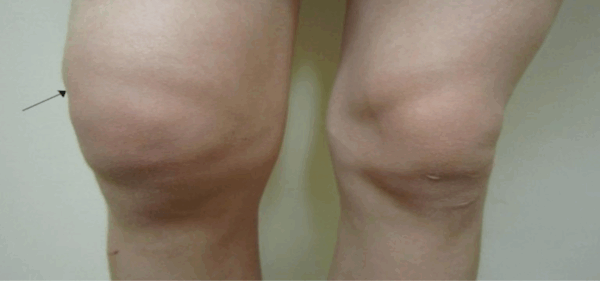
Swelling and enlargement of the knee joint: One of the earliest and most visible signs. You may notice that one knee appears noticeably larger than the other.
Stiffness and difficulty in movement: The knee may feel stiff, making it difficult to bend or straighten the leg fully.
Pain and discomfort: This can range from a mild ache to severe pain, depending on the underlying cause and amount of fluid buildup.
Warmth and redness: The affected area may feel warm to the touch, and the skin around the knee may appear red or inflamed.
Bruising or internal bleeding: If the fluid is due to bleeding inside the joint, you might see bruising or experience intense pain.
These symptoms can develop over a period of several hours to a few days. It’s important to note that if you’re experiencing severe pain, visible deformity, or signs of infection such as fever and redness, you should consult a healthcare professional immediately. Self-treatment is not always appropriate and, in some cases, may even be dangerous.
A Simple Homemade Remedy That Can Help
While medical consultation is essential for serious knee problems, there are also traditional, natural methods that may help relieve pain and reduce swelling—especially in milder cases or as a complementary measure.
We’d like to share with you a simple homemade knee compress (lotion) recipe that has been used in many households with surprisingly effective results.
Ingredients:
1 tablespoon of salt (preferably fine or iodized)
1 fresh egg yolk
Preparation and Use:
Crack a fresh egg and separate the yolk from the white.
Mix the egg yolk thoroughly with one tablespoon of salt until you have a smooth, consistent paste.
Apply the mixture directly to the affected knee area.
Wrap your knee in plastic wrap or cling film to keep the mixture in place.
Secure it with an elastic bandage to allow it to stay on while you move around.
This compress should be changed every two hours throughout the day. Try to repeat the procedure up to five times daily for optimal results.
Why This Remedy Might Work
Salt is known for its anti-inflammatory and detoxifying properties. It can help draw out excess fluid from the tissues and reduce swelling. Egg yolk, on the other hand, contains natural fats and proteins that may nourish the skin and improve local blood circulation, possibly supporting the healing process.
Of course, this is not a medical cure, but many people report noticeable relief from pain and swelling after just a few applications. It’s a low-risk, cost-effective method that you can try at home—especially if you’re looking for natural ways to manage discomfort.
Important Reminder
This homemade remedy is meant to support your recovery—not replace medical advice. If your symptoms persist or worsen, if the swelling becomes severe, or if you’re unable to move your knee properly, it’s crucial to seek professional medical evaluation. You may need imaging tests, physical therapy, or even
medical intervention depending on the underlying cause.
However, for those with mild to moderate discomfort, this compress can be a helpful way to manage the symptoms naturally and safely at home.
Final Thoughts
Don’t ignore your body’s signals. If your knee is swelling, stiff, or painful, take action sooner rather than later. Whether you choose a natural home remedy, professional treatment, or a combination of both, consistency and care are key to healing.
This simple method may not be a miracle cure, but it could offer meaningful relief—especially when used regularly and as part of a broader approach to joint care.
We encourage you to try it for yourself. Be patient, be consistent, and most importantly, listen to your body.
Wishing you health, relief, and peace of mind!