Do Not Destroy This Plant! It Is One of the Most Powerful Medicinal Herbs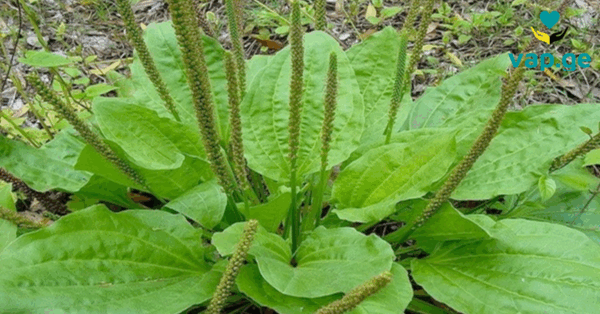
Have you ever come across this plant growing in fields, gardens, by roadsides, or even between cracks in the pavement?
This humble greenery is known as plantain—a hardy, widespread herb found almost everywhere in the world, including Africa, Asia, Europe, the Americas, and New Zealand.
Although many people overlook it or even remove it as a “weed,” plantain has been used for thousands of years in traditional medicine due to its remarkable healing abilities. Modern research is now starting to confirm what ancient herbalists long understood: this plant is a natural treasure with a wide range of health benefits.
Plantain leaves are rich in essential nutrients such as vitamin C (ascorbic acid), vitamin K, calcium, and beta-carotene. These nutrients contribute to its powerful anti-inflammatory, antimicrobial, soothing, and healing effects. The plant is also known for its expectorant, antihistamine, and diuretic properties, making it a multifunctional remedy for numerous conditions.
Medicinal Power of Plantain
1. Anti-inflammatory and soothing effects
One of plantain’s most recognized benefits is its ability to reduce inflammation and calm irritated skin. Throughout history, people have applied crushed plantain leaves to:
insect bites
minor cuts and wounds
boils
skin rashes
mild burns
itchy or irritated skin
The plant’s cooling effect, combined with its antibacterial properties, helps reduce swelling, pain, and infection risk.
In fact, plantain is often referred to as a natural “first-aid plant.”
2. Digestive health and internal healing
Plantain is also famous for its use in improving digestive health. Psyllium—the seed husk of a type of plantain—is widely used today as a natural source of soluble fiber. It helps:
relieve constipation
regulate bowel movements
soothe stomach irritation
support gut health
reduce inflammation in the digestive tract
Some herbalists even refer to plantain as a “panacea for the digestive system” due to its ability to calm ulcers, gastritis, and intestinal discomfort.
3. Relieving menstrual discomfort
Plantain has been traditionally used to ease menstrual cramps and reduce inflammation associated with the reproductive system. While scientific studies are ongoing, herbal practitioners have long praised the plant for its ability to relax muscles and support hormonal balance.
4. Support for respiratory health
Two Bulgarian clinical studies have demonstrated that plantain is an effective treatment for chronic bronchitis. Its expectorant properties help loosen mucus, soothe the throat, and reduce coughing.
Plantain contains natural compounds similar to glycerin and pectin—both common in commercial cough syrups—making it a gentle yet effective remedy for:
sore throat
dry cough
mucus buildup
bronchial irritation
For this reason, tea, syrups, and tinctures made from plantain are widely used during cold and flu seasons.
5. Boosting the immune system
Plantain leaves contain high levels of vitamin C, which is essential for strengthening the immune system. Regular consumption may help the body fight infections more effectively and recover more quickly from illnesses.
The plant is also a rich source of vitamin A, which:
supports eye health
protects against age-related vision loss
helps maintain healthy skin and mucous membranes
Thanks to these nutrients, plantain contributes to overall vitality and long-term health.
Culinary Uses: Eating Plantain Leaves
Fresh plantain leaves can be eaten raw and added to salads, smoothies, and green dishes. The young leaves are tender and mildly flavored, while older leaves can be cooked like spinach.
By consuming the leaves raw, you preserve their antioxidants, vitamins, and anti-inflammatory compounds, allowing your body to fully benefit from their healing properties.
How to Prepare Plantain Tea
Plantain tea is one of the easiest and most beneficial remedies you can prepare at home. It helps with respiratory issues, supports digestion, and strengthens immunity.
Ingredients
1 tablespoon fresh or dried plantain (leaves, seeds, roots—the whole plant can be used)
1 cup boiling water
1 teaspoon honey (optional)
Preparation
Add the whole plant—leaves, seeds, and roots—into boiling water.
Let it steep for about 10 minutes.
Strain the mixture and pour it into a cup.
Add honey if you prefer a sweeter taste.
Drink this soothing tea to enjoy its multiple health benefits. You can consume it once or twice a day during periods of cold, cough, digestive discomfort, or general stress.
Why You Should Not Destroy Plantain
Plantain is often pulled up and thrown away as a weed, yet it is one of nature’s most valuable healing herbs. Its ability to support nearly every system in the body—skin, digestion, immunity, respiratory health, and even hormonal balance—makes it a remedy that deserves far more appreciation.
Instead of removing it from your yard or gard
en, consider harvesting it, drying it, and using it throughout the year. This plant is a natural pharmacy growing right at your feet.
Conclusion
Plantain is a versatile and powerful medicinal herb that has stood the test of time. Whether used externally for wounds and skin irritation or internally for digestion, immunity, and respiratory health, it offers a wide range of therapeutic benefits. Rich in vitamins, antioxidants, and healing compounds, this plant proves that some of the greatest remedies come from the simplest sources.
By learning to recognize, respect, and properly use plantain, you can tap into a natural form of healing that has supported human health for thousands of years.
Enjoy its tea, apply its leaves to the skin, or incorporate it into meals—but above all, do not destroy this plant. It may be one of the best natural medicines you will ever find.