Dislocation: One of the Most Common Injuries and How to Provide Proper First Aid
Dislocation is one of the most common injuries people experience at some point in their lives. Whether it’s a shoulder, arm, leg, or finger, nearly everyone has faced—or will face—this painful and inconvenient situation. Knowing how to provide first aid properly is crucial, both for yourself and for others, because incorrect handling of a dislocated joint can lead to serious complications.
A dislocation occurs when the bones in a joint are forced out of their normal position. This can be partial (subluxation) or complete, depending on the severity of the injury. Because the pain and loss of mobility are similar to those caused by fractures, dislocations are sometimes mistaken for broken bones. Immediate attention and proper care can prevent further damage to nerves, blood vessels, and surrounding tissues.
Recognizing a Dislocation
While a trauma specialist can diagnose a dislocation definitively, there are several warning signs you can look for if immediate medical help is not available:
Pain and swelling: The injured joint or surrounding muscles often swell quickly and can be extremely painful.
Bruising: Blood vessels may rupture under the skin, creating visible bruises around the joint.
Deformation: The affected area may appear misshapen or out of alignment compared to the other side of the body.
Redness and heat: Inflammation can make the area red and warm to the touch.
Numbness or tingling: Nerve endings may be affected, causing a loss of sensation in the limb.
Sharp pain with movement: Attempting to move the dislocated joint often results in intense pain.
Recognizing these signs early is essential for preventing further injury and providing effective first aid.
First Aid for Dislocations
Providing first aid for a dislocation involves a few critical steps. Your goal is to stabilize the joint, reduce pain, and prevent additional harm until professional help can be obtained.
1. Immobilize the Joint
Do not attempt to move or realign the dislocated joint yourself unless you have proper medical training. Movement can worsen the injury, damage nerves, and increase pain. To stabilize the joint, use a splint, sling, or bandage to keep it in place.
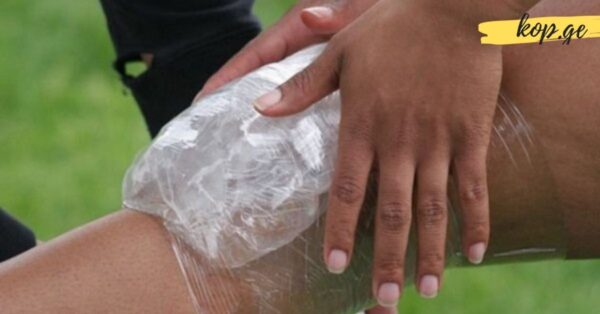
Apply a cold pack or an ice pack wrapped in a cloth to the injured area for 20 minutes at a time. This helps reduce swelling and numbs the pain. Be careful not to apply ice directly to the skin to avoid frostbite.
2. Elevate the Injured Limb
If possible and if it does not cause additional pain, raise the affected limb above heart level. Elevation helps reduce swelling and improves blood flow.
If there are any cuts or abrasions around the dislocation, disinfect the area using alcohol or hydrogen peroxide to prevent infection.
3. Manage Pain
Pain relief is an important part of first aid. Over-the-counter analgesics may be used, but caution is needed:
People with cardiovascular issues should consult a doctor before taking strong painkillers.
Pregnant women or those who suspect early pregnancy should avoid general pain medications without medical advice.
In such cases, local anesthesia such as topical creams or gels designed to relieve pain and swelling can be safer options.
4. Seek Medical Attention Immediately
Even if the pain seems manageable, it is critical to take the person to an emergency room or trauma center as soon as possible. A professional diagnosis and imaging (such as an X-ray) are necessary to:
Confirm the dislocation and rule out fractures
Ensure the joint is properly aligned
Prevent long-term complications such as joint instability or nerve damage
Never delay medical evaluation, as improper care can lead to chronic pain or permanent damage.
Preventing Complications
Providing proper first aid helps prevent additional problems. For example, leaving a dislocated joint untreated or attempting to force it back into place can cause:
Nerve injury, leading to numbness or tingling
Blood vessel damage, which may result in swelling or poor circulation
Permanent joint deformity or reduced mobility
Correct first aid and timely medical attention are key to minimizing these risks.
Sharing Knowledge Saves Lives
Knowing how to recognize and respond to a dislocation can make a real difference in emergency situations. Share this information with friends and family so that in a critical moment, they can provide immediate help. Understanding the basics of first aid empowers everyone to act quickly and safely, potentially preventing more serious injury.
Supporting Recovery
After medical treatment, follow-up care may include:
Physical therapy to restore strength and flexibility
Gentle exercises to prevent stiffness
Avoiding high-impact activities until the joint is fully healed
Proper nutrition to support bone and joint health
Following these steps can help ensure that the injured joint regains full function and reduces the likelihood of future dislocations.
Final Thoughts
Dislocations are painful and can be alarming, but knowing what to do before professional help arrives can prevent serious complications. Stabilizing the joint, controlling swelling, managing pain safely, and seeking immediate medical evaluation are the most important steps.
Remember: your body’s health, and the health of those around you, can benefit from awareness and preparedness. Being informed about first aid can make a critical difference in emergencies.