


Blood Clots – A Silent Threat to Our Lives. Learn How to Prevent the Problem and What Causes It!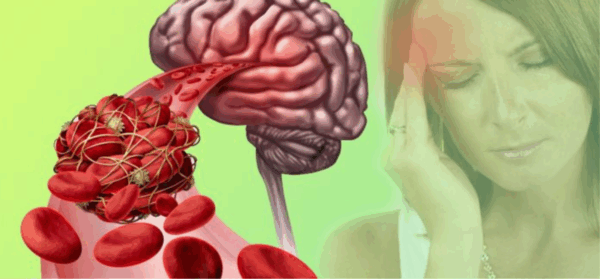
Blood clots are among the most dangerous and often underestimated health threats. They can form quietly within the body and remain unnoticed until they cause serious, sometimes life-threatening complications. One of the most severe consequences of abnormal clot formation is ischemic stroke, a condition that has become increasingly common in modern society. Tragically, many cases end in disability or even death.
Stroke caused by blood clots occurs when a vessel supplying blood to the brain becomes blocked, depriving brain cells of oxygen. Unless immediate medical attention is provided, the damage becomes irreversible. Unfortunately, people often fail to recognize early warning signs, and without timely diagnosis, the likelihood of severe consequences increases significantly.
Because of the seriousness of this condition, it is essential to understand why clots form, who is most at risk, and what steps can be taken to prevent them. Our goal is to provide valuable, easy-to-understand information that can help protect you and your loved ones.
Why Do Blood Clots Form in the First Place?
Blood clotting is actually a natural and vital process. When a blood vessel is damaged — for example, from an injury, cut, or internal inflammation — the body automatically activates a defense mechanism. Platelets rush to the site, forming a clot that stops bleeding and prevents excessive blood loss. This is a normal and life-saving response.
However, problems arise when clots form inside vessels without any injury, or when they grow larger than necessary. In such cases, clots may:
Partially block blood flow
Completely obstruct a vessel
Break off and travel through the bloodstream to vital organs
When a clot travels to the brain, it can cause a stroke; when it reaches the heart, it may lead to a heart attack; and in the lungs, it can trigger a pulmonary embolism — all of which are medical emergencies.
The three most common triggers of clot formation are:
Slow or restricted blood circulation – when blood moves too slowly, it becomes easier for clots to form.
Increased blood viscosity – thicker blood clots faster and is harder to circulate.
Damage to the inner walls of blood vessels – inflammation, cholesterol buildup, or high blood pressure can injure vessel walls, triggering clot formation.
Clots can form in veins (venous thrombosis) or arteries (arterial thrombosis). Venous clots often occur in the legs, especially in people who sit or stand in the same position for long periods. Arterial clots are more dangerous because they can quickly block blood flow to critical organs.
Who Is at Higher Risk of Developing Blood Clots?
People of all ages can be affected, but some individuals are at a significantly higher risk. Among the most common high-risk groups are:
Those with sedentary occupations, such as office workers, drivers, or anyone who spends many hours sitting without movement.
Individuals who frequently remain in a fixed position — for example, long-distance travelers or people on long flights.
People with varicose veins, which naturally slow blood circulation.
Individuals who are overweight or obese, since excess body fat increases pressure on veins and promotes inflammation.
Smokers, as nicotine triggers the release of thromboxane, a substance that increases blood clotting.
People with chronic illnesses such as diabetes, high cholesterol, or heart disease.
Women taking hormonal contraception or hormone therapy.
Individuals with a family history of clotting disorders.
Understanding these risk factors is crucial for prevention. When you are aware of them, you can take steps to protect yourself and seek medical advice when necessary.
How to Prevent Blood Clots – Practical and Effective Recommendations
Fortunately, many cases of blood clot formation can be prevented with simple lifestyle adjustments. The following recommendations are among the most effective ways to reduce the risk.
1. Include Blood-Thinning Foods in Your Daily Diet
Certain foods naturally help maintain healthy blood flow and reduce clotting risk. Some of the most beneficial include:
Green tea – rich in rutin, which blocks enzymes responsible for excessive clot formation.
Tuna and other fatty fish – contain taurine and omega-3 fatty acids, both of which help thin the blood and reduce inflammation.
Whole grains – improve circulation and support healthy cholesterol levels.
Seafood – improves vascular health and supports omega-3 balance.
Beans and legumes – excellent sources of fiber and plant-based nutrients.
Nuts and seeds – help regulate cholesterol and improve blood vessel elasticity.
Fresh vegetables – rich in antioxidants that protect vessel walls from damage.
A balanced diet plays a major role in preventing clot-related diseases and improving overall cardiovascular health.
2. Engage in Regular Physical Activity
Movement is one of the strongest shields against clot formation. Even light physical activity improves blood circulation and prevents blood from pooling in the legs.
You don’t need intense workouts — even:
30 minutes of walking daily,
stretching exercises,
light jogging,
cycling,
swimming,
or any enjoyable activity can significantly lower the risk.
If you sit for long periods, make sure to stand up and stretch every 40–60 minutes. Simple leg movements improve circulation instantly.
3. Drink Enough Water Every Day
Dehydration thickens the blood, making clots more likely to form. Adults should drink 1.5 to 2.5 liters of water per day, depending on lifestyle and climate. Proper hydration ensures balanced viscosity and supports the circulation system.
4. Maintain a Healthy Body Weight
Excess body weight puts significant pressure on the vascular system. Inflammation increases, blood flow slows, and the risk of both arterial and venous clots rises. Achieving and maintaining a healthy weight greatly reduces this risk and improves overall heart health.
5. Quit Smoking
Smoking is one of the strongest triggers of clot formation. Nicotine and other chemicals damage vessel walls, increase inflammation, and thicken the blood.
Quitting smoking dramatically reduces the risk of:
stroke
heart attack
lung disease
deep vein thrombosis
Even long-term smokers experience significant health improvements after quitting.
Final Thoughts
We hope this information helps you better understand the silent yet dangerous threat that blood clots pose. With proper awareness, preventive habits, and timely medical consultation, many complications can be avoided.
Your health is in your hands — and sharing this knowledge may help protect not only you but also your friends and family.
Wishing you good health and safety!






















