


The Medicinal and Health Benefits of Burdock Root—A Powerful Remedy Known by Few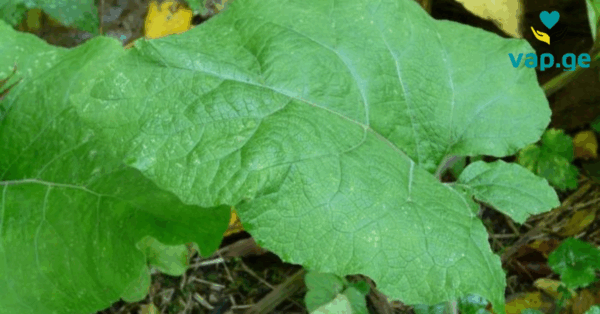
Although burdock (Arctium lappa) is often seen as a common weed growing along roadsides and in gardens, its root and leaves contain a treasure trove of medicinal properties that remain surprisingly unknown to the general public. For centuries, traditional and folk medicine have utilized burdock for its impressive therapeutic effects, yet only a small fraction of people today are aware of how beneficial this plant truly is.
Nutritional and Chemical Composition of Burdock
Burdock root contains a complex and potent mix of bioactive compounds, making it a powerful remedy for a wide range of ailments. Its roots are rich in:
Essential oils
Inulin polysaccharide (up to 45%), which supports gut health and acts as a natural prebiotic
Resins and tannins, which have antimicrobial properties
Mucilage, beneficial for soothing mucous membranes
Proteins, bitter compounds, and fatty substances
Mineral salts such as potassium, calcium, and magnesium
Vitamin C in significant amounts, which supports immunity
The leaves also contain high levels of essential oils, tannins, mucilage, and ascorbic acid (another form of Vitamin C). The seeds (or fruits) are especially rich in fat—around 20%.
Therapeutic Properties of Burdock Root
Burdock root’s medicinal effects are widely recognized in traditional healing systems, especially in Eastern Europe and Asia. Its health-supportive actions include:
Diuretic – promotes the removal of excess fluid from the body
Choleretic – stimulates bile production and flow
Diaphoretic – helps induce sweating, useful for fevers
Analgesic – helps to relieve pain
Pancreatic support – aids the pancreas in enzyme production
Mild sedative – calms the nervous system
Skin benefits – improves complexion and reduces inflammation
Moreover, it has powerful antimicrobial, antiseptic, and disinfectant qualities, making it an excellent natural remedy for wounds and skin infections. In folk medicine, it is even used to alleviate itching, allergic reactions, and various dermatological disorders.
Traditional Burdock Remedies
1. Burdock Root Infusion
Ingredients & Preparation:
Chop 10–25 grams of dried burdock root and pour two cups of boiling water over it. Let the mixture steep in a thermos for one hour.
How to Use:
Drink the infusion 3–4 times daily, preferably warm, at half a cup per dose.
Recommended for:
Gallstones and kidney stones
Gout
Stomach or duodenal ulcers
Rheumatism
Diabetes
Hemorrhoids
Gastritis
Skin disorders (eczema, furunculosis, exudative diathesis, rickets)
Duration:
A typical course of treatment lasts 20 to 50 days, depending on the condition being treated.
Additional uses:
This infusion is excellent for treating wounds, ulcers, and even removing warts. Some folk healers recommend gargling it for tonsillitis and sore throat. When used on the scalp, it may prevent hair loss, strengthen hair roots, and improve overall hair appearance.
2. Burdock Root Decoction
Recipe:
Boil 15–20 grams of crushed burdock root in one cup of water on low heat for about 20 minutes. Let it steep for another 30 minutes, then strain.
How to Use:
Drink 1 tablespoon of the decoction 3–4 times a day after meals.
Helpful for:
Inflammation of the urinary bladder
Thyroid issues (goiter)
Osteochondrosis
Rheumatism
Common colds (used as a diaphoretic to induce sweating)
3. Burdock Leaf Juice
Preparation:
Wash freshly picked burdock leaves and blend them or pass them through a meat grinder. Squeeze the resulting pulp through several layers of cheesecloth to extract the juice. For every 500 ml of juice, add 100 grams of vodka or diluted alcohol as a preservative. Let the mixture rest overnight before use.
How to Take:
Drink 2–3 tablespoons of the juice 30 minutes before meals, three times a day.
This juice is said to purify the blood, stimulate liver function, and support general detoxification of the body. It is also widely used as a preventative treatment for liver and gastrointestinal disorders.
4. Fresh Burdock Leaves for Joint Pain and Bruising
One of the simplest yet highly effective folk remedies involves fresh burdock leaves. When applied topically, they can help relieve joint pain, inflammation, and bruises.
How to Use:
Place 1–2 fresh burdock leaves directly on the painful area.
Cover with a warm cloth or bandage to secure.
Leave the compress on overnight.
Effect:
Relief is often felt by morning. This remedy is particularly popular for those suffering from arthritis, rheumatism, or sports injuries.
Common Question – Which Side to Apply?
Place the top (smooth) side of the leaf against the skin for best results.
Safety and Precautions
Burdock is considered generally safe and well-tolerated when used appropriately. There are no major contraindications, with a few minor exceptions:
Pregnant women should exercise caution when taking burdock internally and consult with a healthcare provider before beginning treatment.
People with allergies to plants in the Asteraceae family (such as daisies, ragweed, and marigolds) should also be cautious, as burdock belongs to this same plant family.
Conclusion: A Forgotten Healer in Modern Times
Despite its weedy appearance and the fact that it grows abundantly in the wild, burdock is anything but ordinary. Its root, leaves, and even seeds possess powerful healing qualities that can address a wide variety of ailments—from skin conditions and digestive issues to inflammatory joint pain and chronic illnesses like diabetes.
While modern pharmaceuticals often overlook plants like burdock, traditional medicine continues to celebrate their effectiveness. For those seeking natural, holistic remedies, burdock offers a time-tested option with real therapeutic value.
So, next time you see burdock growing by the roadside, remember—it might just be one of nature’s most underrated healers.






















