


Blood Clots – A Silent Threat to Our Lives: Learn What Causes Them and How to Prevent the Danger
Ischemic stroke is currently one of the most common and serious medical conditions worldwide. Sadly, in many cases, it leads to fatal outcomes. One of the leading causes of ischemic stroke is the formation of blood clots in the blood vessels, and their sudden blockage of blood flow. When a clot forms and blocks a vessel in the brain, it prevents oxygen from reaching vital areas, which can result in severe, often irreversible damage.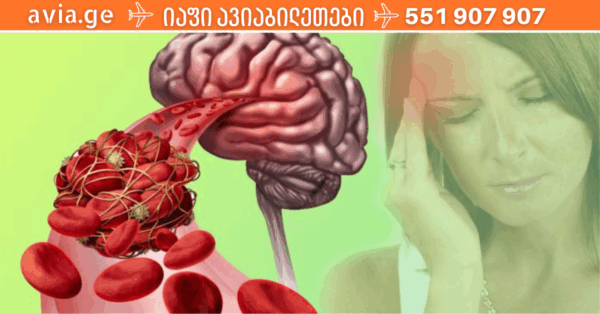
What makes the situation even more dangerous is that many people lack awareness about this issue and often fail to recognize the early signs. As a result, the chance of timely diagnosis and effective treatment drops significantly—dramatically increasing the risk of complications or even death.
That’s why we want to provide you with detailed, clear, and useful information on this topic. With better awareness and earlier intervention, you could not only protect your own life but also help safeguard the health of your loved ones.
What Causes Blood Clots in Blood Vessels?
A blood clot, or thrombus, often forms when a blood vessel becomes damaged. In response to injury, the body tries to protect itself by activating clotting factors that stop bleeding. This is a natural and life-saving mechanism. However, when clots form inside intact vessels or without any external injury, they become dangerous.
These unwanted clots can form in arteries or veins, and their formation is influenced by three primary factors, known as Virchow’s triad:
Slowed blood flow (stasis) – This can occur during long periods of immobility, such as sitting for hours during travel or working at a desk.
Increased blood viscosity (thickness) – This can be influenced by dehydration, certain diseases, or lifestyle habits.
Damage to the inner walls of blood vessels – Often caused by high blood pressure, smoking, inflammation, or injury.
When any of these factors come into play, clot formation becomes much more likely. Once a clot forms, it may remain in place or break off and travel through the bloodstream—potentially reaching the brain, lungs, or heart, where it can cause life-threatening conditions such as stroke, pulmonary embolism, or heart attack.
Who Is at Risk of Developing Blood Clots?
Certain people are at much greater risk of developing thrombosis than others. Key risk factors include:
Prolonged sitting or sedentary work – Individuals who spend long hours sitting (e.g., office workers, drivers) or who don’t change positions for extended periods are especially vulnerable.
Obesity and excess body weight – Extra weight places additional pressure on the veins, slowing down circulation and increasing clotting risk.
Smoking – One of the most dangerous contributors. Nicotine triggers the release of thromboxane, a substance that promotes blood clotting and narrows blood vessels, making clots more likely.
Dehydration – Insufficient fluid intake can cause the blood to become thicker and more prone to clotting.
Certain medical conditions – Including diabetes, high blood pressure, high cholesterol, and cancer.
Genetic predisposition – Some people inherit blood clotting disorders that make them more susceptible, such as Factor V Leiden.
Hormonal factors – Birth control pills, hormone replacement therapy, and pregnancy can increase the likelihood of clotting due to hormonal changes in the body.
Clots and Ischemic Stroke
In ischemic stroke, a blood clot usually blocks an artery that supplies blood to the brain. This blockage cuts off oxygen and nutrients, causing brain cells to die within minutes. Stroke can cause permanent damage or even death depending on the size and location of the clot.
What makes this especially dangerous is how quickly the damage can occur and how difficult it may be to detect before it’s too late. Often, early symptoms like dizziness, a slight headache, or numbness in the limbs are dismissed until the condition worsens rapidly.
Why Early Detection Matters
Unfortunately, if a person lacks the necessary knowledge or fails to identify early warning signs, the likelihood of severe complications increases dramatically. Early diagnosis and prompt treatment significantly improve outcomes. That’s why public education and awareness are crucial in reducing stroke and thrombotic emergencies.
Prevention: How to Reduce the Risk of Blood Clots
There are several simple but powerful lifestyle changes and daily habits that can significantly lower your risk:
🥗 1. Improve Your Diet
Incorporate foods into your diet that naturally thin the blood and support healthy circulation. These include:
Green tea – Rich in antioxidants like rutin, which inhibits clot-forming enzymes.
Tuna – Contains the amino acid taurine, known for its blood-thinning properties.
Whole grains – Oats, brown rice, and other grains help improve blood flow and reduce cholesterol.
Legumes and beans – High in fiber and heart-he






















