If Your Legs Often Swell, Use This Remedy – The Most Powerful Natural Solution!
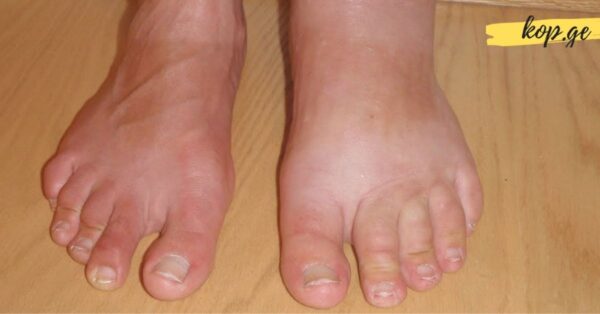
With the arrival of warm weather, many people begin to experience swelling in their lower limbs. In reality, leg swelling occurs more frequently during the summer months, but it can appear at any time of the year. Although women tend to face this problem more often, men are not immune to it either. In severe cases, the legs may swell so much that regular shoes no longer fit comfortably. In this article, we will explore why leg swelling happens, how dangerous it can be, and what you should do if your legs begin to swell frequently.
What Is Leg Swelling?
Leg swelling, also known as edema, is an external sign of fluid accumulation in the body. When this occurs, the lower limbs visibly increase in size, the skin becomes stretched and loose, and when pressure is applied with a finger, an indentation appears that does not disappear immediately. This is a clear indication that excess fluid has collected in the tissues.
Swelling usually develops in the evening, especially after a long day of standing or sitting. However, in some cases, discomfort and heaviness may persist into the following morning, making walking and movement difficult.
When Is Swelling a Cause for Concern?
If your legs swell occasionally, especially after physical exertion, long travel, or exposure to heat, the condition can often be managed with lifestyle changes and natural remedies. However, frequent or persistent swelling may indicate an underlying medical issue. This is why it is crucial to identify the nature and cause of the swelling.
Ignoring this problem or treating it lightly is not recommended. Persistent edema can be a warning sign of serious internal disorders. Seeking medical advice in a timely manner can help prevent complications and ensure proper treatment.
Common Causes of Leg Swelling
Swelling occurs when the amount of fluid in the cells and tissues increases beyond normal levels. There are many possible triggers for this condition, including:
Hot weather, which causes blood vessels to dilate
Poor blood circulation or vascular problems
Kidney dysfunction, leading to fluid retention
Heart failure, which affects proper blood and fluid circulation
Pregnancy, due to hormonal changes and pressure on veins
Hormonal imbalance
Prolonged sitting or standing
Excessive salt intake
Each of these factors can disrupt the body’s ability to regulate fluids efficiently, resulting in swelling of the legs, ankles, and feet.
Why You Should Not Ignore Leg Swelling
Leg swelling is not just a cosmetic issue—it can significantly affect your quality of life. Persistent swelling may cause pain, heaviness, stiffness, and fatigue in the legs. Over time, untreated edema can worsen circulation, damage blood vessels, and increase the risk of skin infections or ulcers.
That is why it is essential to address the problem early. If swelling becomes regular, severe, or is accompanied by pain, shortness of breath, or sudden weight gain, you should consult a healthcare professional immediately.
Natural Remedies for Swelling in Folk Medicine
Folk medicine offers numerous remedies to combat swelling. Many of these are based on natural ingredients that help eliminate excess fluid, improve circulation, and support kidney function. Below, we present one of the most effective and powerful natural remedies, which you can easily prepare at home.
A Powerful Diuretic Remedy Against Swelling
This remedy works as a natural diuretic, helping the body eliminate excess fluid and reduce swelling effectively.
Ingredients:
Fresh parsley
Parsley root
500 ml of boiling water
Preparation:
Wash the parsley and its root thoroughly
Grind them using a meat grinder or blender
Place the resulting mixture into a thermos
Pour 500 ml of boiling water over it
Let the infusion sit overnight
In the morning, strain the liquid
(The prepared amount is intended for one day.)
How to Use:
Drink the infusion three times a day, divided into equal portions
Repeat this procedure for two consecutive days
Take a three-day break, then repeat the course if necessary
Parsley is rich in antioxidants, vitamins, and minerals that support kidney function and help flush out excess fluids from the body. Its natural diuretic effect makes it highly effective for reducing swelling in the legs.
Additional Tips to Reduce Leg Swelling
In addition to using natural remedies, incorporating healthy habits into your daily routine can significantly reduce swelling:
Drink enough water to prevent fluid retention
Reduce salt intake
Elevate your legs whenever possible
Avoid sitting or standing for long periods
Wear comfortable, supportive footwear
Engage in light physical activity such as walking or stretching
These simple measures can improve circulation and prevent fluid buildup in the lower limbs.
Final Thoughts
Leg swelling is a common but often underestimated condition. While occasional swelling can usually be managed at home, frequent or persistent edema should never be ignored. Natural remedies, such as the parsley-based diuretic infusion, can be extremely effective when used correctly and responsibly.
However, remember that natural treatment does not replace medical advice. If symptoms persist or worsen, consult a healthcare professional promptly.