8 Foods That Reduce Saturated Cholesterol Levels and Improve Blood Circulation
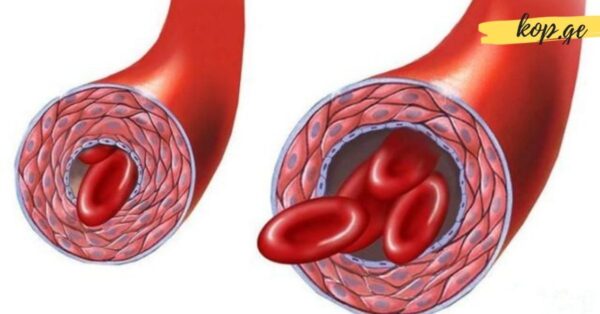
The health of the cardiovascular system is one of the most important factors in maintaining overall well-being. The heart and blood vessels carry the vital responsibility of transporting blood—and with it, nutrients, oxygen, and essential compounds—to every organ in the body. When these transport channels are clogged or the heart cannot pump effectively, circulation is disrupted, leading to serious health consequences. In fact, statistics show that cardiovascular diseases are responsible for more deaths annually than cancer or diabetes worldwide.
A diet high in animal fats, sugars, and trans fats negatively affects the condition of the heart and blood vessels. Such dietary habits contribute to the development of atherosclerosis, a condition in which fatty deposits, cholesterol plaques, and other substances accumulate in the arteries, narrowing their lumen. This narrowing reduces blood flow, depriving organs and tissues of the oxygen and nutrients they need to function properly, which can ultimately lead to heart attacks, strokes, and other serious health issues.
Fortunately, a proper diet rich in certain natural foods can reduce saturated cholesterol levels, protect the vascular system, and enhance blood circulation. Below are eight highly recommended foods that support cardiovascular health.
1. Green Tea
Green tea leaves are rich in catechins, natural plant antioxidants with powerful effects on the cardiovascular system. Catechins help maintain the elasticity of blood vessels and improve their tone, ensuring efficient blood flow. They also inhibit the ability of cholesterol to adhere to the walls of capillaries, helping to maintain clear, open arteries. Regular consumption of green tea not only supports heart health but may also reduce the risk of high blood pressure and other circulatory problems.
2. Broccoli
Broccoli is often considered the most beneficial among the cruciferous vegetables due to its high fiber content and abundance of vitamin K. Vitamin K plays a crucial role in preventing calcium deposits on blood vessel walls and reducing the formation of cholesterol plaques. Broccoli also helps reduce blood viscosity, preventing platelets from sticking together and forming clots. Including broccoli in your daily diet strengthens blood vessel walls, improves circulation, and supports overall heart health.
3. Spinach
Spinach is another leafy green that has remarkable cardiovascular benefits. It is rich in compounds that the body converts into nitric oxide, a molecule that relaxes and widens blood vessels, improving circulation. The darker and more vibrant the leaves, the higher the concentration of beneficial compounds. Regular consumption of spinach has been shown to lower blood pressure and reduce the risk of cardiovascular disease by up to 11%.
4. Blueberries
Blueberries are packed with plant-based antioxidants and polyphenols, which have a protective effect on blood vessels. Studies have shown that regular consumption of blueberries can reduce the risk of heart disease by as much as 40%. They are also rich in vitamin C, which strengthens arterial walls, and potassium, which supports healthy heart muscle function and helps maintain optimal blood pressure. Adding blueberries to breakfast, smoothies, or salads is a simple way to support circulation naturally.
5. Pomegranate
Pomegranate seeds contain abundant fiber, while the juice and arils are rich in compounds that stimulate the production of nitric oxide in the body. Nitric oxide improves blood flow, relaxes blood vessels, and enhances circulation throughout the body. Pomegranate consumption can help reduce arterial stiffness, prevent plaque formation, and improve overall cardiovascular function. Drinking pomegranate juice or eating the seeds regularly is a delicious and effective way to support heart health.
6. Persimmons
Persimmons are soft, sweet fruits rich in fiber and pectin. In the digestive tract, these compounds form a gel-like substance that binds to toxins, cholesterol, bile, and even heavy metals, helping the body eliminate them naturally. Consuming persimmons supports vascular health by reducing cholesterol levels and preventing deposits from forming on blood vessel walls. They are also high in antioxidants such as carotenoids, which have anti-inflammatory properties and may protect against certain types of cancer.
7. Avocado
Avocado is a unique fruit that contains monounsaturated fats, which compete with saturated fats in the body. These healthy fats help reduce cholesterol absorption in the intestines while supporting the maintenance of optimal cholesterol levels. Regular avocado consumption promotes a healthy balance between LDL (bad) and HDL (good) cholesterol and helps protect arteries from plaque buildup. Avocados can be added to salads, sandwiches, or eaten on their own to improve cardiovascular health.
8. Dietary Fiber
Fiber is not a single food but a component found in many plant-based foods such as legumes, whole grains, fruits, vegetables, and berries. High-fiber diets support the cardiovascular system in several ways. Insoluble fiber aids digestion and promotes regular bowel movements, removing toxins from the body. Soluble fiber binds to cholesterol in the intestines, reducing its absorption into the bloodstream. Fiber also slows the absorption of sugar, helping prevent spikes in blood sugar levels, which is important for preventing diabetes and atherosclerosis.
Including plenty of fiber-rich foods in your diet enhances satiety, reduces appetite, supports digestive health, and contributes to lower cholesterol levels, all of which benefit the circulatory system.
Final Thoughts
Heart health is influenced by daily dietary choices. Incorporating these eight foods into your meals can significantly reduce saturated cholesterol, improve blood circulation, and protect your cardiovascular system from disease. A diet rich in vegetables, fruits, fiber, and healthy fats provides essential nutrients while helping prevent plaque buildup and arterial stiffness.
By paying attention to your nutrition and making simple, healthy choices, you can take proactive steps to support your heart, improve circulation, and maintain overall health for years to come.
Worth Watching: Eat honey every day and discover the eight changes that may happen in your body.