5 Signs That You Are Consuming Too Much Salt Every Day – This Is Important!
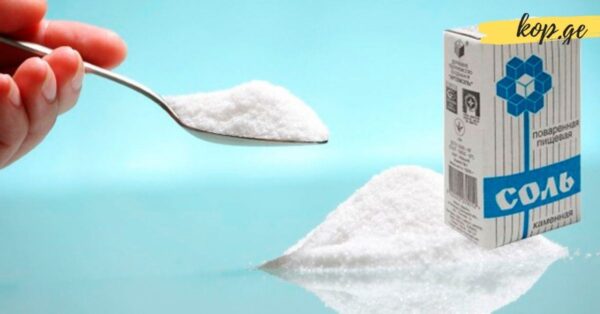
Excessive salt intake in your daily diet significantly increases the risk of heart disease and other health problems. A swollen face, discomfort or heaviness in the head, high blood pressure, and kidney issues are all common signs that your body may be overloaded with salt.
Salt is one of the most widely used flavor enhancers in the world. It improves taste, preserves food, and makes meals more enjoyable. However, when consumed in excess, salt becomes a serious threat to health. Sodium, the main component of salt, can increase the risk of cardiovascular disease, hypertension, stroke, and kidney disorders.
The recommended daily salt intake for adults is around 5 grams, while more recent health guidelines suggest staying below 3 grams per day. For people with high blood pressure, intake should not exceed 1.5 grams per day. Unfortunately, many people consume far more than this without realizing it.
So how can you tell if you are eating more salt than your body actually needs? If your daily salt intake is too high, your body may send you several warning signals. Below are five key signs you should not ignore.
1. Increased Appetite and Cravings
One of the earliest signs of excessive salt consumption is an increase in appetite, especially cravings for processed and fast foods. Most ready-made meals, snacks, and fast-food products contain very high amounts of sodium. When these foods regularly appear in your daily diet, it becomes almost impossible to stay within healthy salt limits.
Salt stimulates appetite and encourages overeating, which can lead to weight gain and poor dietary habits. If you frequently feel hungry shortly after meals or crave salty snacks, it may be time to review your food choices. Always check nutrition labels when buying packaged foods and pay attention to sodium content.
2. Dehydration and Frequent Thirst
Excess salt in the body draws water out of cells, leading to dehydration. One common sign is waking up at night feeling very thirsty or experiencing headaches in the morning.
When sodium levels are too high, the body tries to restore balance by pulling water from tissues. This process can reduce overall hydration and affect brain blood vessels, sometimes causing pressure or discomfort in the head. Persistent thirst, dry mouth, and fatigue may all indicate that your salt intake is too high.
Drinking more water can help temporarily, but the most effective solution is reducing sodium intake at its source.
3. Swollen Face and Puffiness in Limbs
Facial puffiness, swollen fingers, ankles, or feet are clear signs that your body is retaining excess fluid. Sodium plays a major role in regulating the balance between water and minerals in the body. When there is too much sodium, fluid tends to accumulate in tissues instead of being properly eliminated.
This fluid retention not only causes visible swelling but can also make you feel heavier and more uncomfortable overall. Over time, this can place additional strain on the heart and blood vessels.
If swelling becomes frequent, reviewing your salt intake is an important first step.
4. Food No Longer Tastes Flavorful
If you regularly consume large amounts of salt, your taste receptors gradually become less sensitive. As a result, foods may look appealing but taste bland unless extra salt is added.
This creates a cycle in which you continue to add more salt to meals, further increasing your daily intake. Over time, natural flavors become harder to appreciate, and healthier foods may seem less enjoyable.
Reducing salt gradually can help retrain your taste buds and restore sensitivity to natural flavors found in herbs, vegetables, and whole foods.
5. High Blood Pressure and Kidney Discomfort
One of the most serious consequences of excessive salt intake is high blood pressure. Salt causes the body to retain fluid in the bloodstream, increasing blood volume. This puts extra pressure on blood vessel walls, leading to hypertension.
In addition, too much sodium affects urine pH and can contribute to the formation of painful deposits in the kidneys. Persistent lower back discomfort or kidney pain may signal that your kidneys are under strain.
High blood pressure and kidney issues often develop silently, making regular monitoring and prevention especially important.
Why You Should Take These Signs Seriously
Ignoring these warning signs can lead to long-term health complications. Heart disease, stroke, kidney damage, and metabolic disorders are all linked to excessive sodium intake.
Reducing salt does not mean eliminating flavor from your diet. Simple changes—such as cooking more meals at home, using herbs and spices instead of salt, avoiding processed foods, and reading food labels carefully—can make a significant difference.
Final Thoughts
Your body often gives clear signals when something is out of balance. Paying attention to these signs and making small dietary adjustments can greatly improve your overall health and well-being.
If you recognize any of these symptoms in yourself, consider gradually reducing your daily salt intake. Healthy habits formed today can protect your heart, kidneys, and overall health in the long run.
Worth Watching: Eat honey every day and discover the eight changes that may happen in your body.