Why Does Our Heart Hurt? How Can We Help It?
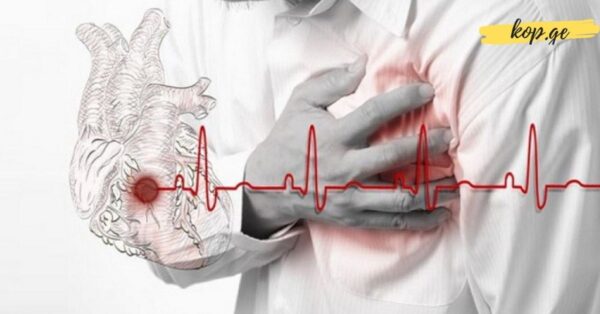
Heart pain is a symptom that should never be ignored. It can occur in many different heart-related conditions and may signal anything from temporary strain to a serious medical emergency. Understanding the possible causes of heart pain—and knowing how to respond appropriately—can help protect your health and even save lives.
Heart pain may occur in conditions such as myocardial infarction (heart attack), angina pectoris, myocarditis, and cardiosclerosis. Another common cause is hypertension (high blood pressure). When blood pressure rises sharply—such as reaching levels around 180/100 mmHg—a strong, pressing pain may appear in the chest area. In such cases, the pain is not relieved by medications like validol or nitroglycerin, but rather by lowering blood pressure. The faster blood pressure is brought under control, the sooner the pain usually subsides.
Understanding Heart Pain
Heart pain does not always feel the same. It may present as pressure, tightness, burning, heaviness, or discomfort behind the breastbone. Sometimes the pain spreads to the left arm, shoulder, neck, jaw, or back. Shortness of breath, weakness, dizziness, nausea, or cold sweating may accompany it.
It is important to understand that not all chest pain originates from the heart. Muscle strain, digestive issues, stress, or anxiety can also cause discomfort in the chest area. However, because heart-related pain can be life-threatening, it is always safer to treat it seriously and seek medical advice.
What Can Be Done at Home to Reduce Discomfort?
If heart pain occurs suddenly, medical help should always be the first priority, especially if the pain is severe, persistent, or accompanied by other alarming symptoms. Home measures should never replace professional medical care.
That said, traditional folk medicine has historically offered supportive methods believed to help calm the heart and reduce discomfort. These practices are described below as part of cultural tradition, not as medical recommendations.
Traditional Herbal Approaches (Informational Only)
Birch Bud Tincture (Traditional Use)
In folk medicine, a tincture made from birch buds was traditionally used to ease heart discomfort and shortness of breath and to promote a feeling of vitality. The preparation involved placing dried birch buds in a glass jar, covering them with vodka, sealing the jar, and letting it stand for two weeks.
⚠️ Important caution: Such alcohol-based tinctures are not appropriate for children or adolescents, and they may interact with medications or worsen certain conditions. Internal use should only be considered under medical supervision.
Herbal Infusion for Heart Support (Traditional Use)
Another traditional mixture includes:
Valerian leaves
Water clover leaves
Garden mint leaves
These herbs were combined and infused in hot water, then strained. Traditionally, the infusion was consumed in the morning and evening to help prevent heart pain and calm the nervous system.
From a modern perspective, these plants are known for their mild sedative and calming properties, but they can also cause side effects or interact with medications. Even natural herbs should be used cautiously and only after consulting a healthcare professional.
Physical Techniques That May Help in Mild Cases
During mild heart discomfort (and only if serious conditions have been ruled out), traditional advice includes:
Do not lie down immediately; remain seated in a comfortable position
Try slow, deep breathing to calm the nervous system
Rub both arms firmly from the little finger up to the elbow crease
Gently massage the tips of the little fingers, focusing on the sides rather than the entire finger
These actions are believed in folk practice to stimulate circulation and reduce tension. While they may promote relaxation, they must not be used as a substitute for medical evaluation.
When to Seek Immediate Medical Help
You should seek urgent medical care if heart pain:
Is intense or worsening
Lasts more than a few minutes
Spreads to the arm, jaw, or back
Is accompanied by shortness of breath, fainting, nausea, or cold sweat
Occurs together with very high blood pressure
Delaying treatment can be dangerous. Early intervention greatly improves outcomes in heart-related emergencies.
Prevention and Heart Care
Supporting heart health begins with everyday habits:
Maintaining healthy blood pressure
Eating a balanced diet
Staying physically active
Managing stress
Avoiding smoking and excessive sugar or salt intake
Getting regular medical check-ups
Natural remedies may complement a healthy lifestyle, but they should never replace evidence-based medical care.
Source and Additional Information
Source: This article is based on material prepared with reference to “Lord’s Pharmacy”, a traditional folk-medicine source.
Recommended reading: Rice as an important source of many vitamins and traditional rice-based remedies.
About Kop.ge
Kop.ge is a platform that offers advice on health, self-care, and everyday living. Our mission is to share information about natural remedies and practical recipes that help improve well-being, enhance personal care, and simplify daily life. Most of these methods can be applied at home, allowing people to enjoy the process and save money.
Much of the information you discover on Kop.ge can become part of your daily routine. By sharing your experience with others, you help make everyday life easier for more people. Kop.ge aims to show that good health and well-being do not always require expensive procedures or products—sometimes simple, accessible solutions found in the kitchen or garden are enough.
While the recipes and advice published on Kop.ge are not intended to be harmful, it is strongly recommended to consult a doctor before using any medicinal remedy, especially for heart-related symptoms.