Urinary Incontinence, Frequent Urination, and Bladder Irritation
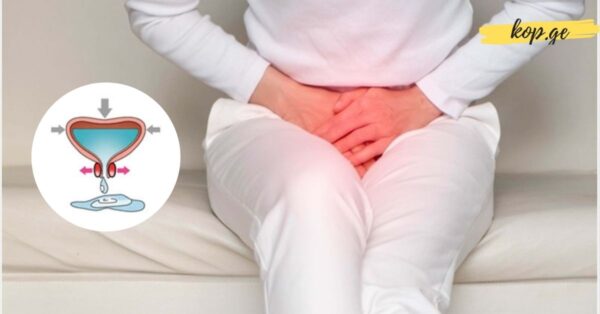
Urinary incontinence is a condition that is frequently observed in nervous and emotionally sensitive children, in women after childbirth and during the climacteric (menopausal) period, as well as in elderly individuals. It represents a significant medical and social problem, as it can negatively affect quality of life, emotional well-being, and daily activities.
Urinary incontinence is defined as the involuntary release of urine without the urge to urinate. It may occur both during the daytime and at night. In some cases, it can be accompanied by fecal incontinence as well. This condition is often difficult to treat, as it has a tendency to recur and relapse. However, it is important to note that in children, urinary incontinence rarely persists into adulthood and often resolves with proper care, maturity, and supportive treatment.
Frequent urination is another common disorder of the urinary system. It is characterized by an increased need to urinate, often with the passage of small amounts of urine. This condition can be associated with bladder irritation, inflammation, or nervous system sensitivity. Bladder irritation may cause discomfort, a burning sensation, or painful spasms, significantly disturbing a person’s daily routine and sleep.
When dealing with frequent urination, it is recommended to eliminate certain foods from the diet. These include celery, watermelon, ripe grapes, and asparagus, as they may increase urine production or irritate the bladder. In addition, the total amount of fluid intake should be limited, especially in the evening. It is advisable to avoid drinking liquids before bedtime in order to reduce nighttime urination. Regular water-based wellness procedures, such as washing or contrast water treatments, should be carried out both in the morning and in the evening, as they may help strengthen the nervous system and improve bladder control.
In addition to these general recommendations, several traditional remedies may help manage urinary incontinence, frequent urination, and bladder irritation. These remedies are based on herbal medicine and have been used for generations.
For frequent urination:
Take 1 gram of crushed oak bark and pour 1 cup of boiling water over it. Place the mixture on low heat and simmer for 15 minutes. Then let it steep for 30 minutes and strain. Drink 1 tablespoon three times a day. In cases of bladder irritation and painful spasms, this remedy can be taken 3–4 times a day, 30 minutes before meals, in small sips. Oak bark is known for its astringent and anti-inflammatory properties, which may help reduce irritation and strengthen bladder tissues.
Warm infusion of hop cones:
Take 1 tablespoon of hop cones and pour 1 cup of boiling water over them. Simmer on low heat for 5 minutes, then let it infuse for 1 hour and strain. Take the infusion over a long period of time, 1 tablespoon 2–3 times a day, 30 minutes before meals. This remedy is traditionally used in the treatment of cystitis and other inflammatory conditions of the urinary tract, as hops possess calming, antibacterial, and antispasmodic effects.
Rosehip decoction:
Take crushed rosehip fruits and boil them over low heat for 30 minutes in 1 liter of water. Before removing from heat, add 2 tablespoons of rosehip flowers, bring to a boil, then remove from heat and strain. Drink the cooled decoction, one glass twice a day. Rosehip is rich in vitamins, especially vitamin C, and supports immune function while also having mild diuretic and anti-inflammatory properties beneficial for urinary health.
For frequent involuntary urination:
Take 1.5–2 grams of powdered oak leaves and swallow with small sips of water three times a day, 30 minutes before meals. Oak leaves, like oak bark, are valued for their tightening and strengthening effects on tissues, which may help improve bladder control.
These traditional remedies are intended to support the body and alleviate symptoms, but they do not replace professional medical treatment. Urinary disorders may have various underlying causes, including infections, hormonal changes, neurological conditions, or structural issues of the urinary tract. Therefore, identifying the root cause is essential for effective treatment.
Source:
This article is prepared based on materials from “The Lord’s Pharmacy” (უფლის აფთიაქი).
Recommended to see:
The best hair care remedies from traditional medicine.
The recipes and advice published on kop.ge are not considered harmful to health. However, it is strongly recommended to consult a physician before using any medicinal remedy, especially if symptoms persist, worsen, or are accompanied by pain, fever, or other concerning signs. Professional guidance ensures safety and helps prevent potential complications.