Jerusalem artichoke – also known as earth apple or topinambur – is extremely beneficial for people with diabetes and for those dealing with various pancreatic conditions.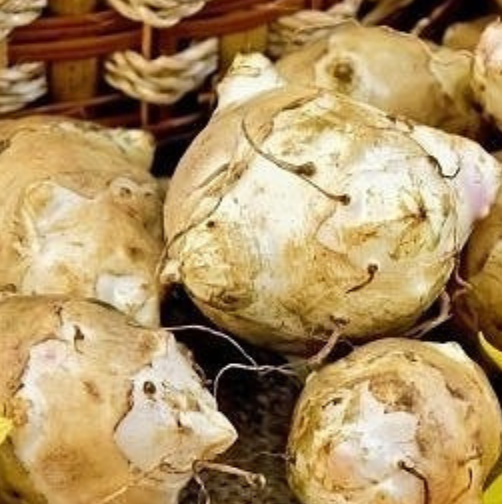
It is no coincidence that Jerusalem artichoke is often referred to as the “eternal potato.” This hardy root vegetable can grow in the same place for nearly 30 years without losing productivity, and in many cases it yields significantly more than ordinary potatoes. Because of its strong ability to regenerate and spread, as well as its powerful nutritional composition, it has been valued as both a food source and a natural remedy for centuries.
One of the main healing components of Jerusalem artichoke is inulin, a natural polysaccharide that plays a key role in glucose regulation. Inulin supports the body’s ability to manage blood sugar levels, which is why Jerusalem artichoke is widely believed to be beneficial for people with diabetes and pancreatic disorders. Although it is not a replacement for medical treatment, it is often included in diets as a supportive, nutrient-rich food.
Jerusalem Artichoke for Weight Loss
Jerusalem artichoke is also a remarkable aid for those who are trying to lose weight in a healthy, natural way. Thanks to its high inulin content, it helps normalize metabolic processes, especially fat metabolism. It promotes gentle digestion, prevents sudden spikes in blood sugar, and helps maintain a feeling of fullness for a longer period of time.
For this reason, nutritionists often describe it as a “metabolic stabilizer”. Adding it regularly to meals may support weight management goals, especially when combined with a balanced lifestyle, moderate exercise, and proper hydration.
For Heartburn, Headaches, and High Blood Pressure
A simple traditional method suggests drinking a small amount of Jerusalem artichoke juice in the morning.
Suggested folk preparation:
Dilute 2 tablespoons of freshly squeezed juice with water in equal proportions and drink it on an empty stomach.
People historically believed this helps reduce heartburn, improve digestion, and support overall comfort throughout the day. Some also used it for occasional headaches or mild blood pressure fluctuations.
For Diabetes
In addition to consuming the tubers directly, Jerusalem artichoke leaves can also be incorporated into meals.
Traditional uses:
Wash the leaves, chop them finely, drizzle with vegetable oil, and enjoy them as a salad.
Alternatively, eat 4–5 fresh or boiled tubers daily.
This practice has long been part of folk dietary traditions in parts of Eastern Europe and Asia, where the plant grows abundantly.
For a Runny Nose (Folk Method)
Jerusalem artichoke juice has been traditionally used as a natural nasal drop:
Squeeze the juice from fresh tubers.
Apply 10–12 drops into each nostril, four times a day.
This method was believed to help soothe nasal passages and support easier breathing, particularly during seasonal colds. As with any home remedy, individuals should use caution and discontinue if irritation occurs.
For Salt Deposits, Radiculitis, Osteochondrosis
A widely used traditional remedy involves therapeutic baths prepared from the plant:
How to prepare a Jerusalem artichoke bath:
Chop 2 kilograms of fresh leaves and stems
(or 1 kilogram of fresh tubers).
Place them in a large pot and pour enough water to cover fully.
Bring to a boil, then simmer for 30 minutes.
Strain the liquid and pour it into a bathtub filled with warm water (≈40°C).
Soak for 15 minutes.
Such baths were believed to help relax the body, ease joint discomfort, and promote circulation. A traditional course usually consists of 10 baths taken regularly.
Jerusalem Artichoke Juice
To prepare the most potent form, use fresh tubers.
Preparation:
Wash the tubers thoroughly.
Extract the juice using a juicer or by grating and straining.
Store in the refrigerator for no longer than 12 hours, as it loses its properties quickly.
Traditional internal use:
Drink 1/2 cup of fresh juice before meals for 2 weeks.
Folk healers believed that this juice supports stomach comfort, helps with heartburn, and even reduces certain types of headaches. Many also used it to relieve constipation and soothe intestinal spasms.
Jerusalem Artichoke Leaves in Food
The leaves of Jerusalem artichoke are completely edible and rich in vitamins and minerals. They blend well into:
Fresh salads
Green smoothies
Herbal mixtures for soups or stews
Their mild flavor and high nutrient density make them a valuable addition to everyday meals.
Why Jerusalem Artichoke Is Considered a “Superfood”
This plant contains a unique combination of:
Inulin – supports glucose regulation
Fiber – improves digestion
Potassium – important for heart and muscle function
Iron – supports healthy blood
Magnesium and calcium – essential for bones and nerves
Vitamins A, C, E, and group B vitamins – for overall vitality and immunity
Because of its stability, nutritional richness, and resilience, Jerusalem artichoke has earned its place among the most respected root vegetables in natural and traditional healing.
Origins and Historical Use
Jerusalem artichoke originated in North America, where Indigenous peoples used it both as food and as medicine. By the 17th century, it spread throughout Europe and quickly became prized for its resistance to pests, its ability to grow in poor soil, and its impressive nutritional profile.
In many cultures, it was regarded as a “survival crop” — a plant that could sustain families even during difficult seasons. Over time, its medicinal uses expanded, particularly in folk medicine traditions of Eastern Europe, Russia, and the Caucasus region.
Today’s Perspective
Modern science recognizes inulin as a prebiotic fiber that supports gut health, beneficial bacteria, digestion, and stable blood sugar levels. While Jerusalem artichoke is not meant to replace medical treatment, it remains a valuable component of a balanced diet.
Its versatility — consumed raw, cooked, juiced, or added to salads — makes it a practical and delicious way to enrich daily nutrition.