Cystitis: Causes, Symptoms, and Folk Remedies for Effective Relief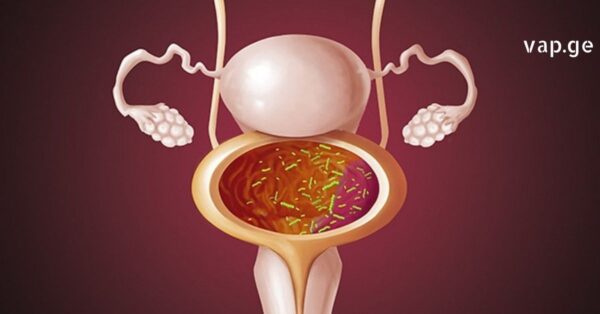
Cystitis is one of the most painful and unpleasant diseases, yet traditional folk medicine offers simple and effective remedies to manage and alleviate its symptoms. This condition, which affects the urinary system, primarily involves an inflammatory or infectious process of the bladder wall, particularly its mucous lining. Although it can occur in people of all ages and both genders, it is significantly more common in women.
Why Women Are More Prone to Cystitis
The higher prevalence of cystitis in women is largely due to anatomical and physiological differences in their urinary system. Women have a shorter urethra, and the proximity of its external opening to the vagina and rectum increases the risk of bacterial infection.
In men, cystitis is relatively rare. When it does occur, it is usually associated with inflammatory processes in the prostate, seminal vesicles, or urethra, rather than the bladder itself.
Causes of Cystitis
The root cause of cystitis is typically an infection, most often caused by bacteria such as:
Escherichia coli (intestinal bacillus)
Staphylococcus
Streptococcus
Occasionally, other microorganisms
These bacteria can enter the bladder through several pathways:
Urethra: The most common route, particularly in women due to the short urethra.
Kidneys: Infections from the upper urinary tract can spread downward to the bladder.
Pelvic organs, blood, or lymphatic system: Less common pathways for bacteria to reach the bladder.
My Personal Experience with Cystitis
For me, the weak point in my body has always been my bladder. Even a slight exposure to cold wind or temperature changes would trigger cystitis. I had to take precautionary measures, such as wearing cotton underwear even during hot summers, yet sometimes infection was unavoidable. Once the inflammation started, it could persist for a long time, causing discomfort and pain.
I wanted to avoid constant reliance on chemical medications, so I decided to search for a remedy in folk medicine, which led me to discover highly effective herbal treatments. With the guidance of a biology teacher and expert in medicinal plants, I learned about meadowsweet (Filipendula ulmaria) as a natural remedy for cystitis.
Meadowsweet Herbal Infusion for Cystitis Relief
Ingredients and Preparation:
2 tablespoons of dried meadowsweet
1 liter of water
Instructions:
Pour the water into a pot and add the meadowsweet.
Heat gently over low flame, cover with a lid, and boil for 10 minutes.
Remove from heat and let it steep for 2 hours.
Strain the infusion.
Drink one cup 2–3 times per day.
Additional application:
After straining, place the remaining herbal mass in a coarse cloth bag and use it as a compress over the bladder area. This can help reduce pain and inflammation externally while the infusion works internally.
This remedy is particularly effective because meadowsweet contains anti-inflammatory, diuretic, and soothing properties, which help calm the bladder, relieve irritation, and promote healing of the urinary tract.
Birch Bud Tincture for Cystitis
Another folk remedy for cystitis involves birch buds, which can be used as an alcohol-based tincture.
Ingredients and Preparation:
20 grams of birch buds
100 ml of 70% ethanol (alcohol)
A dark, light-proof container
Place the birch buds in the container and pour the alcohol over them.
Let the mixture steep for 3 weeks in a dark place.
Strain and store the tincture in a dark glass bottle in a cool place.
Usage:
Dilute 20 drops of the tincture in 1 tablespoon of water and drink once daily for 2 weeks.
Birch buds have natural anti-inflammatory, antibacterial, and diuretic effects, which make them ideal for alleviating cystitis symptoms. I have also used this tincture to treat my grandchild’s scraped knees, and the wounds healed remarkably quickly.
Why These Folk Remedies Are Effective
The combination of meadowsweet infusion and birch bud tincture works on multiple levels:
Reducing inflammation – soothes bladder walls and relieves pain.
Eliminating infection – natural antibacterial properties help fight the bacteria causing cystitis.
Supporting the immune system – vitamins and bioactive compounds in these herbs strengthen the body’s natural defenses.
External relief – compresses help soothe the pelvic area and reduce discomfort.
By using natural remedies, one can avoid the side effects associated with long-term use of chemical medications while achieving effective symptom relief.
Prevention and Immune Support
Cystitis often recurs when immunity is weakened or after exposure to cold or wet conditions. To reduce the risk:
Wear appropriate clothing for the season (e.g., cotton underwear, warm clothing in cold weather).
Maintain adequate hydration.
Incorporate herbal infusions such as meadowsweet or cranberry to support urinary tract health.
Strengthen the immune system through a balanced diet rich in v
itamins and minerals.
Practical Tips for Using Herbal Remedies
Always prepare herbal infusions with fresh, high-quality herbs.
Use non-metallic containers (glass or ceramic) for brewing and storage to preserve the herbs’ active compounds.
Combine internal use (drinking the infusion) with external measures (compresses) for faster relief.
Be consistent – herbal treatments are most effective when used regularly for the recommended period.
Conclusion
Cystitis is a common, painful, and uncomfortable disease affecting the urinary tract, but folk medicine provides simple and accessible solutions. Meadowsweet infusion and birch bud tincture are natural, safe, and effective treatments that reduce inflammation, fight infection, and promote healing.
By combining internal herbal therapy with external compresses, and strengthening immunity through proper nutrition and preventive care, patients can experience significant relief from cystitis symptoms.
These remedies are not only effective for adults but can also be adapted safely for children in minor cases, as my own experience with my grandchild demonstrates.
Remember: Consistency, proper preparation, and preventive measures are key to maintaining urinary tract health and avoiding recurrent infections.
✅ Additional tip: Strengthening the im