


Helpful Tips for Perfectly Boiled Eggs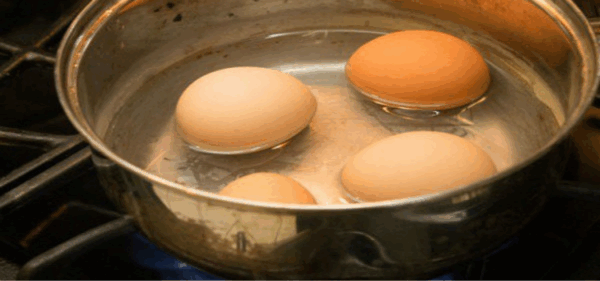
There is always a solution to every problem. Many people say this, and it’s certainly true. This is especially the case when we talk about something as simple as boiled eggs. While it may seem trivial, anyone who has struggled with peeling a boiled egg knows that not all eggs are created equal, and small differences can make a big impact on the final result.
Today, I want to share a fantastic kitchen trick that will make your life much easier. Experts recommend that eggs that are 7 to 10 days old are ideal for boiling. Their shells are easier to remove after cooking, compared to very fresh eggs. You may have noticed that some eggs peel effortlessly while others resist, even if they have been stored in the same place. The difference comes down to chemical changes that occur inside the egg as it ages.
To avoid these unpleasant surprises, try adding a teaspoon of baking soda to the water when boiling eggs. Older eggs are more alkaline, and adding baking soda increases the alkalinity of the water, which helps the shells come off more easily. Fresh eggs, on the other hand, are less alkaline, and their shells tend to stick more stubbornly to the whites, making them harder to peel. By creating a slightly more alkaline environment with baking soda, you can greatly simplify peeling, no matter the age of the egg.
Here are a few more tips and tricks for perfectly boiled eggs:
Testing Egg Freshness: If you’re unsure about how old your eggs are, you can try a simple water test. Fill a bowl with water and gently place the eggs inside. If the egg lies flat on its side at the bottom, it is very fresh. If it stands upright on the bottom, it is slightly older but still good for boiling. If the egg floats to the surface, it is too old and should not be eaten. This test works because as eggs age, air gradually enters the egg, changing its density.
Starting in Cold Water: When boiling eggs, it is best to start with cold water. Place the eggs in a pot of cold water first and then bring the water to a boil. This method reduces the likelihood of cracks forming in the shells during cooking. Starting with hot water may cook the outer layer too quickly, causing the shell to crack under heat stress.
Soft-Boiled Eggs: If you want soft-boiled eggs with a slightly runny yolk, add a tablespoon of salt or baking soda to hot water and carefully lower the eggs in. Cook them for about 3 minutes, depending on the size of the eggs. Smaller eggs require less time, while larger eggs may need an extra minute or so. Timing is key to achieving the perfect creamy yolk without overcooking.
Uniform Cooking: Make sure that all eggs are fully submerged in the water. If some eggs are not covered, they will not cook evenly. Uneven cooking can lead to eggs with rubbery whites or partially undercooked yolks. Boiling eggs in a single layer is best, and if necessary, use a slightly larger pot to ensure they are all evenly covered by water.
Avoiding the Green Ring: Overcooking eggs can lead to a greenish-gray ring around the yolk. While this discoloration is harmless, it can affect taste and texture. The greenish hue appears due to a reaction between iron in the yolk and sulfur in the whites, forming iron sulfide. By cooking eggs carefully and not exceeding the recommended time, you can prevent this reaction and enjoy perfectly golden yolks.
Cooling After Boiling: After cooking, place the eggs in cold water immediately. This stops the cooking process, making it easier to peel the shells. The rapid cooling helps shrink the egg inside the shell slightly, separating it from the membrane. Cold water also prevents the egg white from becoming rubbery and preserves the texture of the yolk.
Additional Tip – Baking Soda: Returning to the initial trick, adding baking soda to the water slightly raises the pH of the water. A higher pH weakens the bond between the egg whites and the inner membrane of the shell. This simple adjustment transforms a frustrating peeling experience into a smooth, effortless process. Many home cooks who regularly add baking soda swear by this method and never return to peeling eggs the old-fashioned way.
By following these tips, you can consistently enjoy perfectly boiled eggs with minimal hassle. Whether you are preparing eggs for breakfast, salads, or other dishes, this knowledge will save time and reduce frustration. Using slightly older eggs, starting in cold water, adding a pinch of baking soda, and cooling the eggs after boiling are all small adjustments that make a big difference.
It’s also worth noting that understanding the chemistry behind eggs can improve your cooking overall. The age of the egg, the water’s pH, cooking time, and cooling method all interact to determine the texture and ease of peeling. Baking soda is a particularly simple, inexpensive tool that takes advantage of these chemical principles. Even if you are new to cooking, experimenting with this method can produce prof
essional-quality results.
In conclusion, boiling eggs doesn’t have to be a struggle. A few thoughtful steps—testing freshness, starting in cold water, adding baking soda, cooking carefully, and cooling rapidly—will ensure that your eggs are always easy to peel and perfectly cooked. This method saves time, prevents wasted eggs, and provides consistently excellent results, whether you enjoy your eggs soft, medium, or hard-boiled. With these tips, your boiled eggs will not only taste better but also look perfect every time, whether for a simple breakfast or an elegant dish.






















