What Is Pilonidal Disease and How Can It Be Treated? (Expanded English Version ~1200 words)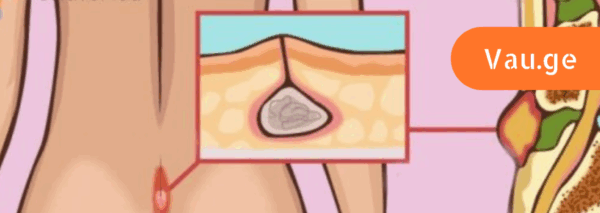
Pilonidal disease is a painful and often chronic skin condition in which a person develops recurring pilonidal cysts. These cysts typically form in the natal cleft — the small indentation at the top of the buttocks near the tailbone. A pilonidal cyst becomes filled with pus, debris, and loose hair follicles, causing discomfort, inflammation, and sometimes severe infection.
Although many people are unfamiliar with this condition, pilonidal disease is relatively common and can significantly interfere with daily life. Understanding what causes it, who is at risk, and what treatments exist — both medical and supportive — can help individuals manage symptoms more effectively.
Who Usually Suffers From Pilonidal Disease?
Several factors influence the likelihood of developing pilonidal cysts:
1. Family tendency
A family history of pilonidal cysts is considered a meaningful risk factor. Individuals whose relatives have dealt with the condition may be more predisposed to developing it themselves.
2. Obesity and inactive lifestyle
People who are overweight or who spend long periods sitting — such as office workers, drivers, or students — face a higher risk. Prolonged pressure on the tailbone area can cause irritation and contribute to cyst formation.
3. Lack of proper hygiene
Insufficient cleaning of the affected area can allow bacteria and loose hairs to accumulate, increasing the chance of developing inflammation or infection.
4. Ethnicity and gender
Studies show that Caucasians are more likely to develop pilonidal cysts than individuals of other ethnic backgrounds. The condition also affects males much more often than females, especially between puberty and the age of thirty.
How Is Pilonidal Disease Treated?
Treatment depends on the severity of the cyst and whether it is infected or has become a chronic condition.
1. Treatment of infected cysts
If a cyst becomes infected, a minor surgical procedure may be necessary. A trained specialist typically performs an incision and drainage. During this procedure, the doctor opens the cyst, allowing pus, hair, and debris to drain out. This relieves pressure, reduces pain, and helps control the infection.
2. Chronic pilonidal disease
When cysts recur repeatedly or develop into a large, persistent sinus tract beneath the skin, the condition is classified as chronic pilonidal disease. In such cases, a more extensive surgical procedure known as pilonidal cystectomy may be recommended. During this operation, the surgeon removes the cyst along with surrounding tissue that may be contributing to recurring inflammation.
After surgery, the wound is often packed with gauze, and sometimes a drainage tube is placed to prevent fluid build-up. Because the wound heals from the inside out, this process can take considerable time, often requiring ongoing care and regular follow-up appointments. It is important to understand that even after surgery, recurrence remains possible because the area is prone to hair penetration and chronic irritation.
Natural and Supportive Methods for Prevention and Care
While medical treatment is sometimes necessary, there are also natural and preventive strategies that may help reduce discomfort and lower the risk of recurrence. These methods do not replace professional medical care, but many patients find them helpful as supportive measures.
1. Hair Removal
One of the most effective ways to prevent pilonidal cyst formation is regular hair removal from the natal cleft. This can be done by shaving, trimming, or other depilation methods. Because embedded hair follicles are considered a primary cause of pilonidal disease, removing loose hair from the area may reduce the chance of new cysts forming.
A 2011 article in the Journal of Dermatology and Aesthetic Surgery reported that laser hair removal may be particularly effective for long-term management, especially after surgical procedures. Dermatologists Wakig Momtaz Ghnami and Dafer Mohamed Hafezi note that laser treatments can minimize recurrence by permanently reducing hair growth in the area.
2. Good Hygiene
Maintaining cleanliness is essential. Washing the affected area at least twice daily with a mild cleanser can help prevent bacterial buildup and irritation. It is important to avoid harsh scrubs or rough cleansing tools, which may worsen inflammation.
After washing, the area must be dried thoroughly. Moisture trapped in skin folds can encourage the spread of localized infections and increase irritation, so gentle and complete drying is recommended after bathing.
3. Castor Oil
Castor oil is another commonly used natural remedy for discomfort associated with pilonidal cysts. Dr. Ellie Camp, a licensed naturopathic doctor, suggests soaking a small piece of clean cotton cloth in castor oil and applying it to the affected area for 10–15 minutes. Some individuals find that doing this twice per day can help draw out impurities and reduce tenderness, although evidence remains anecdotal.
4. Garlic
Garlic is well known for its strong antibacterial and antiseptic properties. Eating garlic regularly may support general immune health. According to the University of Maryland’s online supplement guide, sulfur-containing compounds found in garlic can help the body combat internal infections. Although garlic cannot cure a pilonidal cyst, it may contribute to broader immune resistance.
5. Turmeric
Turmeric is valued for its anti-inflammatory benefits. Some people mix turmeric powder with water to form a thick paste and apply it directly to the cyst two or three times per day. Others prefer consuming turmeric in food or tea. While many users report relief, scientific research has not yet definitively proven turmeric as a direct treatment for pilonidal disease. However, it remains a commonly used supportive option.
6. Warm Compresses
Warm compresses are a simple and effective way to encourage healing. By increasing circulation to the skin’s surface, heat can help reduce swelling and may promote natural drainage. To use this method, a clean cloth is soaked in warm (not hot) water, wrung out, and applied to the cyst multiple times a day.
Regular use of warm compresses often reduces the size of the cyst and provides noticeable pain relief.
Conclusion
Pilonidal disease can be a frustrating and painful condition, but understanding its causes and treatment options can help make it more manageable. While surgical procedures may be required for severe or chronic cases, preventive strategies such as proper hygiene, regular hair removal, and simple supportive remedies like warm compresses may help reduce the risk of recurrence.
Anyone experiencing persistent pain, swelling, or suspected infection should seek professional medical care promptly, as early treatment can prevent complications and improve long-term outcomes.