What Causes White Spots on Your Nails?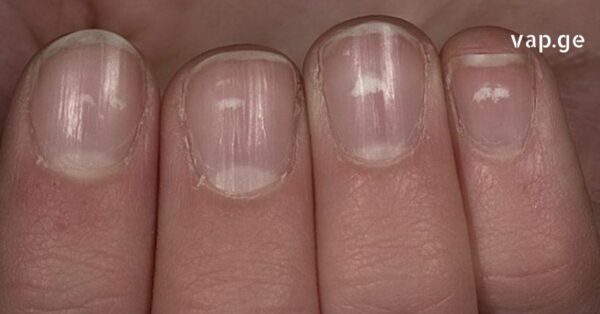
3 Things You Should Know About Your Fingernails**
White spots on the nails are something almost everyone notices at some point in their life. They may appear suddenly, stay for weeks, or slowly grow out with the nail. Although they often seem harmless, these pale marks can have several underlying causes. Understanding why they appear and how to address them can help you take better care of your nails and overall hand health.
White spots on nails—known scientifically as leukonychia—are usually not dangerous, but they can be annoying or aesthetically displeasing. In most cases, they are caused by three main factors. Let’s break them down one by one and explore what each of them means, how they develop, and what you can do to prevent them.
1. Trauma
Minor injuries are the most common cause of white spots. Sometimes you may not even remember what caused it—something as simple as slightly bumping your nail on a cabinet or hitting your hand on a surface can be enough to leave a tiny white mark.
Trauma can include:
Accidentally hitting your nail on a hard object
Applying artificial nails too aggressively
Over-filing the nail plate
Using heavy tools without finger protection
Any minor impact to the nail matrix (the area under the cuticle)
These microscopic injuries can interrupt nail keratin formation, causing the nail to grow with small white spots. Fortunately, trauma-related white marks are temporary and fade as the nail grows out.
What can help?
Warm chamomile infusions: Soaking fingers in chamomile tea may calm irritation and support healing.
Special nail care oils: Oils containing vitamin E, argan oil, or almond oil help nourish the nail and improve its strength.
Gentle manicure habits: Avoid aggressive filing or repeatedly pushing cuticles.
By paying a bit more attention to nail protection, trauma-related white spots can be avoided easily.
2. Chemical Products
Household cleaning products often contain strong chemicals that can damage the surface of the nails. Prolonged exposure—especially without protection—can weaken the nail plate and create white, flaky, or chalky-looking patches.
Common chemical irritants include:
Dishwashing liquids
Bathroom and kitchen cleaners
Laundry detergents
Bleach-containing products
Even frequent use of acetone or low-quality nail polish removers can dry the nails, making them more prone to discoloration and white spots.
What should you do?
Wear rubber gloves whenever you clean, wash dishes, or use strong detergents.
Take a salt bath for your nails once a week: Dissolve a tablespoon of sea salt in warm water and soak your fingertips for 10–15 minutes. This strengthens the nails and helps restore their natural balance.
Moisturize your hands and nails regularly: Especially after cleaning or using chemicals.
With consistent care and protection, chemically induced nail discoloration usually disappears within a few weeks.
3. Fungal Infection
A fungal infection is another common cause of white spots—though these are often accompanied by other symptoms. If the white spot becomes larger, changes shape, or spreads across the nail surface, a fungal issue may be developing.
Signs that the spot might be fungal:
Yellowish tint on the nail
Thickening or brittleness
Flaking at the edges
Unpleasant odor
Texture changes on the nail surface
In such cases, white spots aren’t just cosmetic—they’re an early warning sign.
What to do?
If you suspect a fungal infection, it’s best to see a doctor or dermatologist. They can provide a diagnosis and recommend appropriate antifungal treatments. Some home remedies exist, but professional advice is the safest approach.
Additional Recommendation
The original text also includes a suggestion to watch content about cleaning the intestines naturally at home using simple recipes. Many natural remedies circulate online, and while they may be helpful, they should always be approached responsibly.
About Vap.ge
Vap.ge is described as a platform that offers practical advice about health, self-care, and everyday routines. The goal of the website is to provide information about natural remedies and recipes that help people improve their health, enhance their beauty, and make daily tasks easier and more enjoyable.
The philosophy behind Vap.ge is simple:
Natural remedies can often be made at home
Many useful ingredients can be found in the kitchen or garden
You don’t need expensive treatments to stay healthy and look good
Simple, consistent routines create long-term results
The site emphasizes that a large portion of the information shared can easily become a part of your daily life. People who follow these suggestions often find themselves recommending them to family and friends.
According to the platform, the recipes and tips they publish are not harmful to health. However, they advise always checking for allergies before trying a remedy—especially homemade masks or skin treatments.
Testing a mixture on your hand first is recommended. If no reaction occurs after a few minutes, the product is generally safe to use on the face or other parts of the body.
The message is straightforward: becoming healthier, more beautiful, and more organized does not always require professional salon procedures or expensive products. With the right knowledge and natural ingredients, you can achieve impressive results right at home.
Conclusion
White spots on your nails may seem mysterious at first, but understanding their causes makes them much easier to manage. Whether they are due to minor trauma, exposure to harsh chemicals, or a fungal issue, each cause has simple ways to prevent or treat it. With proper nail care and attention to your daily routines, your hands can stay strong, healthy, and beautiful.