6 Quick and Effective Ways to Lower Blood Pressure – Even in Old Age!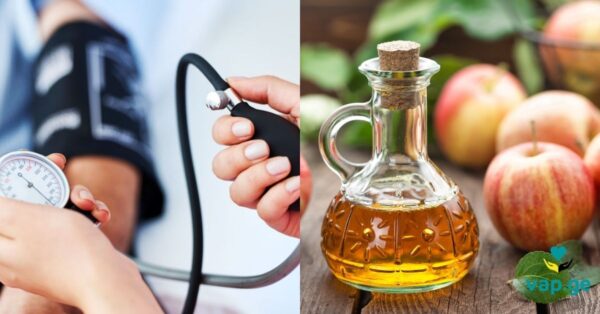
High blood pressure is one of the most common yet dangerous health problems in the world today. It can silently damage your heart and blood vessels without showing clear symptoms — and in many cases, it’s only discovered when serious complications, like a stroke or heart attack, have already occurred.
If you’ve been diagnosed with hypertension, your doctor will likely prescribe the right medication for you. However, there are also simple, natural home remedies and lifestyle tricks that can help lower blood pressure safely and effectively.
In this article, we’ll explain what blood pressure numbers really mean and share six quick methods you can use at home to help reduce your blood pressure — methods that can work even in old age.
Understanding Your Blood Pressure Numbers
Blood pressure is measured in two numbers, such as 120/80 mmHg or 140/90 mmHg.
The first number (systolic pressure) measures how strongly your blood pushes against the walls of your arteries when your heart beats.
The second number (diastolic pressure) shows the pressure when your heart rests between beats.
A reading of 130/80 mmHg or higher is generally considered high blood pressure.
Even though many people with hypertension don’t feel unwell, this silent condition increases the risk of stroke, heart failure, kidney disease, and other cardiovascular complications. That’s why it’s essential to manage it early — and consistently.
6 Proven Ways to Lower Blood Pressure Naturally
Let’s explore six simple, quick, and effective methods that can help you reduce high blood pressure and support overall cardiovascular health.
1. Deep Breathing – Calm the Body and the Heart
The first step is to relax. Find a quiet place, close your eyes, and focus on your breathing.
Place your hand gently on your abdomen. Inhale deeply through your nose while counting slowly to five — feel your belly rise under your hand. Then exhale slowly, also counting to five.
Repeat this breathing cycle for 3–5 minutes.
How it works:
Deep, rhythmic breathing helps reduce stress hormones like cortisol and adrenaline, which tend to raise blood pressure. It also improves oxygen flow, relaxes blood vessels, and encourages better circulation throughout the body.
Even a few minutes of deep breathing can bring down your pressure levels and leave you feeling calmer and more balanced.
2. Warm Water Therapy – Hand or Foot Bath
Fill a small basin or bowl with warm water (around 45°C / 113°F).
Soak your hands or feet in the water for about 10 minutes.
Why it helps:
Warm water causes your blood vessels to dilate (expand), improving circulation to your limbs and helping to reduce pressure in your arteries.
This gentle technique is especially useful for elderly people, as it’s easy, safe, and soothing — like a mini home spa for your heart and body.
3. Cool Bath – Lower the Heart Rate Naturally
Another effective method is to cool the body slightly.
Lie down in a bath filled with lukewarm or cool water (around 32°C / 90°F).
Relax for 10–15 minutes.
As your body temperature drops, your pulse rate decreases, and your blood vessels relax, causing your blood pressure to lower naturally.
This can be particularly refreshing after a stressful day or physical activity.
4. A Cup of Warm Peppermint Tea
Peppermint is more than just a soothing herb — it’s also great for blood circulation and relaxation.
To prepare, steep a few peppermint leaves or one teaspoon of dried peppermint in a cup of boiling water.
Let it sit for 10 minutes, then cool slightly and sip slowly.
Peppermint tea helps calm the nervous system, reduce tension, and gently relax blood vessels. The result? Improved blood flow and a gradual drop in blood pressure.
As a bonus, it also refreshes the breath and aids digestion.
5. Apple Cider Vinegar Compress
Apple cider vinegar is a time-tested natural remedy known for its wide range of health benefits.
For this method, soak a clean cloth or piece of gauze in 3–9% apple cider vinegar and apply it to your feet or calves for 10–15 minutes.
Why it works:
Apple cider vinegar contains natural acids and minerals that can help stimulate circulation and reduce blood pressure levels slightly.
For internal use, you can also drink 1 teaspoon of vinegar mixed in a glass of water. This simple drink is thought to help regulate blood sugar and blood pressure levels.
However, take note of this important warning:
If you experience tooth sensitivity, heartburn, or stomach upset after drinking vinegar, stop taking it immediately. Vinegar is acidic and can irritate sensitive stomachs or enamel if consumed excessively.
6. Valerian Root – The Natural Calming Herb
Valerian is one of the most popular herbal remedies for stress, anxiety, and sleep problems.
It works by calming the nervous system and reducing muscle tension — both of which contribute to lower blood pressure.
You can take valerian root tea, tincture,
or tablet supplements available in pharmacies or health stores.
After taking valerian, most people feel calmer and more relaxed, their heart rate slows down, and their blood pressure naturally drops.
Tip: Always follow the recommended dosage on the label or as advised by your doctor. Although it’s a natural herb, too much valerian can cause drowsiness or mild digestive issues in some people.
Why These Methods Work
Each of these approaches helps the body reduce stress and improve circulation, which are key factors in controlling high blood pressure.
They don’t replace medication if you’ve been prescribed any — but they can complement your treatment safely and naturally.
Regularly practicing relaxation techniques, drinking herbal teas, and maintaining good hydration can make a significant difference over time.
Bonus Advice: Simple Daily Habits to Keep Blood Pressure in Check
In addition to these quick remedies, you can protect your heart health by making small but consistent lifestyle changes:
Limit salt and processed foods. Too much sodium causes the body to retain water, which raises blood pressure.
Stay active. Even light exercise like walking 30 minutes a day strengthens the heart and improves circulation.
Get enough sleep. Poor sleep increases stress hormones and blood pressure. Aim for 7–8 hours nightly.
Avoid smoking and limit alcohol. Both narrow blood vessels and increase strain on the heart.
Stay hydrated. Water helps your blood flow smoothly and prevents dehydration, which can raise blood pressure.
Manage stress. Meditation, gentle yoga, music, or spending time in nature all help balance the mind and body.
A Final Word of Caution
All information shared here is for educational purposes only.
While these home remedies and natural methods can help regulate blood pressure, they are not substitutes for professional medical treatment.
If you suffer from chronic hypertension or any cardiovascular disease, always consult your doctor before making changes to your health routine. Self-treatment without medical guidance can be risky.
Final Thoughts
High blood pressure doesn’t always show obvious symptoms, but it can silently damage the body over time. The good news is that even small actions — like deep breathing, warm baths, herbal teas, and simple relaxation — can have a powerful impact on your health.
By combining natural methods with your doctor’s advice, you can take control of your well-being, protect your heart, and live a longer, healthier, and calmer life.
Remember: taking care of your body starts with awareness and consistency. Even in old age, these gentle remedies can make a real difference.