Baking Soda: Versatile Uses in Daily Life and Traditional Practices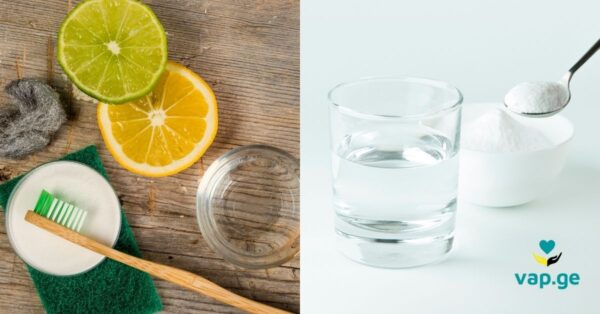
Baking soda, also known as sodium bicarbonate, is one of the most versatile household ingredients, valued for its multiple uses in cooking, cleaning, and traditional home practices. Its history stretches back centuries, and while today it is primarily recognized as a leavening agent in baking, cultures around the world have discovered many creative applications for this humble substance.
Historical Background
Baking soda has been used in kitchens and households for generations. Early cooks recognized its ability to make dough rise, giving bread and pastries a light, airy texture. Beyond its culinary purposes, baking soda quickly became known for its usefulness in everyday life. Families used it for cleaning, odor control, and even simple wellness rituals. Its accessibility, low cost, and effectiveness ensured that it became a staple in virtually every home.
In some cultures, baking soda also held symbolic value. It was considered a “helper ingredient” in maintaining household hygiene and promoting comfort in the home. Parents passed down simple recipes using baking soda, teaching children how this common substance could solve small everyday problems effectively.
Household Uses of Baking Soda
One of the most widespread applications of baking soda is in home cleaning. Its mildly abrasive texture and natural deodorizing properties make it ideal for a variety of tasks:
Surface Cleaning
Baking soda can be sprinkled on kitchen counters, sinks, or stovetops and then gently scrubbed with a damp cloth or sponge. It effectively removes grease and light stains without scratching surfaces, making it a safer alternative to many chemical cleaners.
Odor Neutralization
From refrigerators to garbage bins, baking soda naturally neutralizes unpleasant odors. A small box placed in a fridge can absorb smells, while a sprinkle on carpets or pet bedding can refresh the area.
Laundry Aid
Adding baking soda to laundry can enhance detergent performance, brighten whites, and soften fabrics naturally. It is particularly helpful for washing gym clothes or heavily soiled items.
Dish Cleaning
Mixing baking soda with water creates a gentle abrasive paste perfect for scrubbing pots, pans, and dishes without damaging the surface. It also helps remove stuck-on food residues efficiently.
Cosmetic and Personal Care Applications
Baking soda has a long history of use in cosmetic and hygiene routines, valued for its gentle cleaning and deodorizing abilities:
Facial Cleansing
A paste made from baking soda and a little water can act as a mild exfoliant, helping to remove dead skin cells. While modern skincare routines may not rely solely on baking soda, it remains a simple, natural alternative for occasional facial care.
Oral Care
Many traditional households have used baking soda as a teeth-cleaning agent. Its mild abrasiveness can help remove surface stains and refresh the mouth. It is often combined with gentle brushing to maintain oral hygiene.
Deodorizing Properties
Baking soda is sometimes used in homemade deodorants due to its odor-neutralizing qualities. It can be applied externally in small, safe amounts to absorb moisture and reduce unwanted smells naturally.
Foot Soaks
A simple soak in warm water with baking soda is a traditional way to refresh tired feet. It helps cleanse and soften the skin, offering a relaxing experience after long days.
Culinary Applications Beyond Baking
Baking soda is, of course, a cornerstone of cooking. Its primary function is as a leavening agent, reacting with acids in recipes to produce carbon dioxide, which helps dough and batter rise. However, creative cooks have discovered additional uses:
Tenderizing Ingredients
A small pinch of baking soda can be used to tenderize certain vegetables or proteins, softening texture without altering flavor.
Neutralizing Acidity
Baking soda can help balance overly acidic foods. For example, adding a pinch to tomato sauces can reduce tanginess without compromising taste.
Cleaning Fruits and Vegetables
Baking soda is often used as a gentle scrub for produce. It helps remove dirt and surface residues in a natural, food-safe manner.
Traditional and Cultural Practices
In various cultures, baking soda has also been incorporated into folk practices and household traditions:
Scent Enhancement
In some households, baking soda was mixed with fragrant herbs or essential oils and placed in closets or drawers to maintain freshness.
Ritual Cleansing
Historically, baking soda solutions were sometimes used in simple cleansing rituals, symbolizing purification and renewal in homes.
Home Remedies (Safe, Non-Medical)
While not a medicine, baking soda was used in cultural practices for comfort purposes, such as soothing minor irritations, reducing odors, and creating gentle cleaning pastes for the skin. These applications are based on tradition rather than clinical science.
Safety Considerations
Although baking soda is safe for most household and cosmetic uses, it is important to handle it responsibly:
Avoid excessive ingestion. While small amounts used in cooking are safe, large quantities can lead to digestive upset.
When applying to skin, patch-test first to check for irritation.
Keep out of reach of children in large amounts to prevent accidental ingestion.
By using baking soda thoughtfully, households can enjoy its versatility without risk.
Modern Appreciation of a Classic Ingredient
Today, baking soda continues to be a favorite in both traditional and contemporary households. Its combination of effectiveness, affordability, and simplicity makes it invaluable for cleaning, personal care, and culinary tasks. Beyond its practical uses, baking soda represents a connection to past generations who relied on natural ingredients to solve everyday challenges creatively.
From scrubbing pots and refreshing carpets to gentle skincare routines, baking soda’s applications are nearly limitless. Modern consumers appreciate it as an eco-friendly alternative to chemical cleaners and synthetic cosmetic products. Its presence in kitchens and homes around the world is a testament to the enduring wisdom of practical, natural solutions.
Conclusion
Baking soda is more than just a leavening agent; it is a versatile ingredient that has played an essential role in household management, traditional practices, and personal care for centuries. Its mild abrasiveness, deodorizing properties, and natural availability have made it a cornerstone of everyday life.
While it should not be viewed as a medical treatment, baking soda offers a multitude of uses that enhance comfort, cleanliness, and convenience in the home. Understanding its history and applications allows us to appreciate how a simple, common substance can have a profound impact on daily living, connecting us to traditions and practical wisdom passed down through generations.
Whether used in cooking, cleaning, or cultural rituals, baking soda remains a trusted ally in homes around the world. Its continued popularity is a reminder that often the simplest ingredients can provide the greatest value in our daily routines.