


How to Improve Your Gut Bacteria and Start Losing Weight!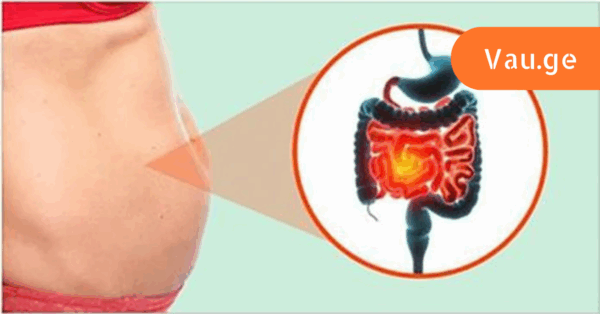
Exciting health news you need to know!
Recent scientific studies have revealed an incredible link between the bacteria in our digestive system and our body weight. Millions of tiny organisms—gut bacteria—live in our intestines and play a vital role in how our bodies process food, manage energy, store fat, and even regulate hunger. By improving the balance of this bacterial ecosystem, we may be able to influence weight loss naturally, leading to a healthier and happier life.
What Are Gut Bacteria?
For centuries, scientists have known that microbes affect human health in many ways. However, it’s only in recent decades that the medical community has begun to fully explore the complex world of gut bacteria—also known as the gut microbiota—and their role in human disease and wellbeing.
The human gut is home to trillions of microorganisms, comprising hundreds of different species of bacteria. These bacteria help break down food into small, absorbable nutrients, assist in digestion, and contribute to the production of essential enzymes. These enzymes, in turn, influence other organs in the body, such as the pancreas, which produces insulin to regulate blood sugar.
Not all bacteria are harmful—many are essential and beneficial. Having the right balance of “good” bacteria in your gut can improve nutrient absorption, support the immune system, enhance mental clarity, and, remarkably, help regulate body weight.
What Role Do Gut Bacteria Play in Weight Control?
Researchers have discovered that overweight individuals tend to have a different bacterial composition in their gut compared to people of normal weight. This difference suggests that certain types of bacteria may extract more energy (calories) from the food we consume, potentially contributing to weight gain.
Moreover, gut bacteria play an important role in regulating hormones such as insulin and leptin. Insulin helps the body process glucose, while leptin influences appetite and fat storage. If your microbiota are imbalanced, they may affect how effectively these hormones work in your body, making weight control more difficult.
This fascinating connection between gut bacteria and metabolism has opened the door to new approaches in weight management—approaches that focus on nurturing a healthier gut ecosystem instead of relying solely on calorie restriction or intense exercise.
How to Improve Gut Bacteria Naturally
The good news is that improving the balance of your gut bacteria doesn’t require complicated treatments. Simple, everyday changes—especially in diet and lifestyle—can have a powerful impact.
Here’s how to start nurturing a healthier gut and supporting weight loss naturally:
Reduce Processed Foods and Sugar
Eating a diet high in refined sugars and unhealthy fats can disrupt the balance of bacteria in your gut, leading to inflammation and insulin resistance. Reducing your intake of processed foods, sugary snacks, and fast food can restore a healthier bacterial environment—allowing beneficial bacteria to thrive.
Eat More Fiber
Dietary fiber acts as food for “good” gut bacteria. High-fiber foods such as oats, nuts, beans, fruits, and vegetables encourage the growth of helpful microbes. These microbes then produce compounds like short-chain fatty acids that improve the health of the intestinal lining, support immune function, and protect against obesity.
Exercise Regularly
Physical activity is not just good for your muscles and heart—it also benefits your gut. Studies have shown that athletes tend to have a more diverse and balanced variety of gut bacteria compared to sedentary people. Even moderate exercise, such as walking, can positively influence the gut microbiome.
Add Probiotic and Prebiotic Foods to Your Diet
Probiotics contain live bacteria that can replenish and balance the microbiota. Prebiotics, on the other hand, are types of fiber that feed beneficial bacteria already present in your gut.
A diet rich in both can help reset your microbiome and enhance digestion, immunity, and metabolism.
Best Foods to Improve Gut Bacteria
To support your gut health, add the following foods to your daily diet:
Cruciferous Vegetables
Broccoli, cabbage, and cauliflower contain glucosinolates—compounds that break down into anti-inflammatory agents in the gut. These vegetables have also been linked to a reduced risk of colorectal cancer by as much as 18%, according to some studies.
Bananas
Bananas provide nutrients for beneficial gut bacteria and are a good source of potassium and magnesium—minerals essential for nerve and muscle function.
Beans and Legumes
All varieties of beans (black beans, lentils, chickpeas) are rich in fermentable fiber that feeds beneficial bacteria. They also produce short-chain fatty acids that improve nutrient absorption and support both brain and gut health.
Fermented Foods
Foods such as kimchi, sauerkraut, kombucha, kefir, and pickles are teeming with good
bacteria (probiotics). These foods help restore the balance of microbiota in your intestines, boost immune function, reduce allergic reactions, and lower the risk of colon-related diseases.
Whole Grains
Whole grains like brown rice, quinoa, and barley are rich in fiber and prebiotics that nourish beneficial gut bacteria. Eating whole grains regularly can improve digestion and reduce inflammation.
Small Changes, Big Impact
By making small but meaningful adjustments to your diet and lifestyle—adding more fiber, consuming probiotic foods, staying active—you can profoundly improve your gut health. And, in doing so, you may also enhance your metabolism, boost your energy, improve immunity, and support your weight loss goals naturally.
Instead of focusing solely on calories, start thinking about feeding the trillions of tiny allies in your gut. A balanced, diverse, and thriving gut microbiome is a powerful tool—one that supports overall health and brings you closer to a healthy weight.
Try these changes today—and let your gut be your guide to a healthier body and mind!
Let me know if you’d like this formatted into a professional article with headings, bullet p






















