Doctors Are Begging People to Stop Using Cotton Swabs – The Reason Might Shock You!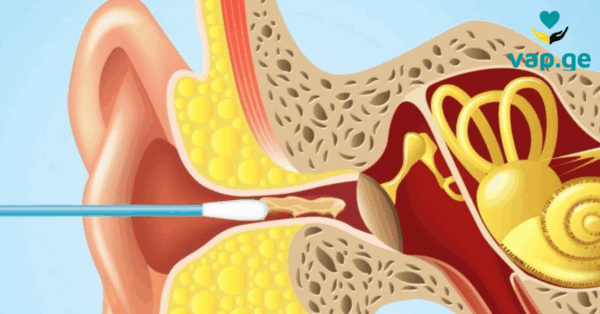
Did you know about this?
For years, doctors and ear specialists around the world have been pleading with people not to use cotton swabs (also known as Q-tips) to clean their ears. Despite countless warnings, millions still ignore the advice — unaware of the serious damage this seemingly harmless habit can cause.
The Hidden Danger Behind Cotton Swabs
Every year, thousands of people end up in emergency rooms because of cotton swab–related injuries. These tiny tools, often used in daily hygiene routines, can easily cause infections, ear canal damage, or even permanent hearing loss.
What most people don’t realize is that cotton swabs were never designed for ear cleaning. In medicine, similar tools are known as sterile swabs or tupfers, and they are intended for applying medication or cleaning wounds — not for inserting deep into the ear canal. Yet, over time, many people began using them for a completely different purpose: to remove earwax.
The result? A dangerous global habit that doctors say needs to stop.
How Cotton Swabs Became So Common
The story goes back to the early 20th century. Before cotton swabs were commercially available, people would wrap small bits of cotton around matchsticks or thin sticks to clean their ears. When manufacturers noticed this trend, they began producing cotton-tipped sticks on a large industrial scale.
The design seemed safe — longer than a matchstick and covered with soft cotton — but in reality, the danger remained. The soft tip gave people a false sense of safety, encouraging them to push the swab deeper into the ear canal than they ever should.
Why Earwax Is Actually Good for You
Earwax, medically known as cerumen, isn’t something dirty that needs to be removed. In fact, it serves several important purposes. Earwax cleans, lubricates, and protects the ear canal. It forms a natural barrier that prevents dust, bacteria, fungi, and even small insects from entering and damaging the ear.
Every time we chew, talk, or move our jaw, these natural motions help the earwax slowly move outward, carrying away dirt and dead skin cells. Once it reaches the outer ear, it naturally flakes off or can be gently wiped away with a damp cloth.
But when people use cotton swabs, they interrupt this natural self-cleaning process. Instead of removing wax, they actually push it deeper into the canal — compacting it against the eardrum, where it can cause blockages, pain, and even temporary hearing loss.
What Happens When You Use Cotton Swabs
When you insert a cotton swab into your ear:
You irritate the delicate skin of the ear canal.
You push earwax deeper instead of removing it.
You increase the risk of infection and inflammation.
You can even perforate your eardrum — a painful injury that may lead to permanent hearing loss.
According to ENT (ear, nose, and throat) specialists, one of the most common causes of eardrum rupture is inserting objects — especially cotton swabs — too deeply into the ear. Even a small slip of the hand can be enough to cause irreversible damage.
The Vicious Cycle: Irritation and Overproduction
Some people experience excess earwax production, a condition known as cerumen hypersecretion. Ironically, one of the main causes of this condition is — you guessed it — using cotton swabs.
When you constantly scrape the inside of your ear, the skin becomes irritated. In response, your body tries to protect itself by producing even more wax. This creates a vicious cycle:
the more you clean, the more wax your body makes.
The same irritation can also occur in people who wear hearing aids, as the constant contact can stimulate wax glands. This leads to blockages that can muffle hearing and cause a feeling of fullness or pressure inside the ear.
When Earwax Becomes a Problem
Of course, sometimes earwax does build up too much and forms a plug, known as a cerumen impaction. Symptoms may include:
Reduced hearing
Ear pain or fullness
Ringing in the ears (tinnitus)
Dizziness or imbalance
However, removing earwax plugs is a job for a medical professional. Doctors use special instruments or safe irrigation methods to remove the wax without damaging the ear canal. Attempting to do it yourself with cotton swabs, hairpins, or other sharp objects can easily make things worse.
The Safer Alternatives
If you feel your ears are blocked or uncomfortable, don’t reach for the Q-tips. Instead, try one of these safe options:
Use ear drops designed to soften wax. These can be found in most pharmacies and help the wax come out naturally.
Wipe only the outer ear with a damp cloth. Never insert anything into the ear canal.
See a doctor if you notice pain, pressure, or hearing loss. A professional cleaning is quick, painless, and much safer.
Avoid ear candles, as they are ineffective and can cause burns or injuries.
The Medical Consensus
The medical community is in complete agreement:
Do not stick anything smaller than your elbow into your ear.
This humorous saying carries a serious message. The ear is a delicate organ, and it’s designed to clean itself. The more we interfere, the more harm we cause.
Dr. Ryan Soto, an ENT surgeon, explains:
“Every day I see patients who come in with ear pain, bleeding, or hearing problems — all because they tried to clean their ears with cotton swabs. If people knew how many injuries are caused by these little sticks, they’d throw them away immediately.”
In the United States alone, an estimated 34,000 people visit emergency rooms each year due to cotton swab injuries, according to the American Academy of Otolaryngology. And that number continues to rise despite years of public awareness campaigns.
A Habit That’s Hard to Break
Part of the problem is psychological. Many people feel that their ears are “dirty” if they don’t clean them regularly. In reality, the visible earwax on the outer ear is the final stage of the body’s natural cleaning process — not a sign of poor hygiene.
Doctors encourage people to rethink their habits and understand that earwax is not a sign of dirt but a sign of health. Its presence means your ears are functioning as they should.
Protect Your Ears — and Share the Knowledge
Your ears are sensitive, self-maintaining organs that need gentle care, not harsh interference. By avoiding cotton swabs, you protect your hearing, prevent infections, and allow your body to do what it’s naturally designed to do.
If you’ve been using cotton swabs for years, it might feel strange to stop — but your ears will thank you. Within weeks, they’ll return to their natural balance, and you’ll likely notice less irritation or itching.
So, the next time you reach for a cotton swab, remember:
you might be doing more harm than good. Instead, let nature handle the cleaning process, and if you ever feel discomfort, let a professional take a look.
And finally — share this information with your friends and family.
A small tip like this could literally save someone’s hearing.
Take care of yourself — and your ears!