


Iodinol: A Traditional Antiseptic with a Remarkably Broad Therapeutic Range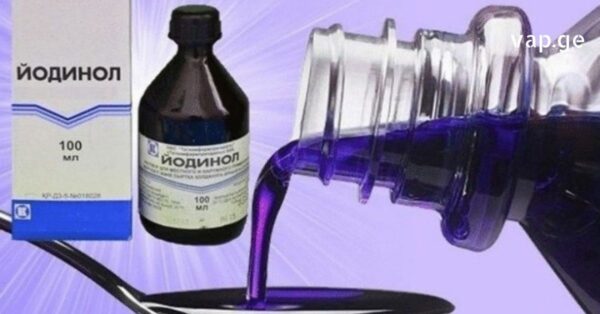
Iodinol is a classic antiseptic solution that has been widely used for more than a century, particularly across Eastern Europe, Russia, and parts of Asia. Originally developed in the mid-20th century, iodinol contains elemental iodine stabilized with polyvinyl alcohol or potassium iodide, which allows it to remain active while reducing the harsh irritant effects typically associated with pure iodine. In traditional practice, it has earned a reputation as a versatile and fast-acting remedy for a wide range of inflammatory, infectious, and skin-related conditions.
Although modern pharmaceuticals have introduced numerous advanced antimicrobial agents, iodinol has not lost its practical value in folk and complementary medicine due to its reliability, affordability, and broad antimicrobial spectrum.
Mechanism of Action
Iodinol is rich in active iodine molecules, which possess strong antibacterial, antifungal, antiviral, and mild anti-inflammatory properties. When applied to the skin or mucous membranes, iodine rapidly destroys pathogenic microorganisms by denaturing their proteins and disrupting metabolic processes.
It is particularly effective against:
Staphylococcus and Streptococcus species
Fungal infections, including Candida
Certain viruses responsible for upper respiratory and skin infections
Unlike alcohol-based iodine tinctures, iodinol is less irritating and can be applied more safely to sensitive areas such as the throat, oral cavity, or delicate skin.
Traditional and Modern Applications
Over decades of practical use, iodinol has been applied in a wide variety of health concerns. Reports from medical practitioners and individuals suggest its usefulness in the following areas:
1. Throat and Upper Respiratory Infections
Gargling with diluted iodinol has long been used to relieve tonsillitis, pharyngitis, and chronic sore throat. Patients often report reduced pain and swelling within 2–3 days of use, particularly when applied early in the infection.
2. Food Poisoning and Digestive Infections
In traditional use, diluted iodinol has been administered orally for acute food poisoning accompanied by vomiting and diarrhea, helping to eliminate intestinal pathogens. Users frequently note symptom relief within hours. However, internal use should only occur under medical supervision, as improper dosing may be hazardous.
3. Skin Burns and Thermal Injuries
Due to its antiseptic and tissue-regenerative properties, iodinol has been applied as a compress for first- and second-degree burns. Reports describe rapid reduction of redness, infection prevention, and accelerated skin repair — sometimes within days of consistent use.
4. Frostbite and Circulation-Related Skin Damage
In cases of frozen or darkened skin tissue, iodinol compresses have been traditionally used to restore circulation and prevent tissue necrosis. Anecdotal evidence recounts complete reversal of discoloration within several days.
5. Chronic Fungal Infections
Individuals suffering from long-term nail and skin fungus, especially in humid environments such as bathroom floors, have reported full recovery after applying tightly sealed iodinol compresses for several consecutive days.
6. Bruises and Hematomas
Iodinol is also credited with dissolving hematomas and deep bruising. Compresses are applied 4–6 times over a few days, resulting in notable disappearance of swelling and discoloration.
Importance of Proper Application
The effectiveness of iodinol is significantly enhanced when applied tightly and consistently, particularly in compress form. Folk practitioners emphasize the importance of securing the area firmly — allowing iodine vapors to penetrate deep into tissues.
Typical home applications include:
Gargling (with diluted solution) — for sore throat
Tightly sealed cloth compresses — for burns, frostbite, fungal infections, bruising
Topical swabbing with cotton — for cuts, ear cartilage, acne-prone areas
Occasional oral use (strictly supervised) — for food poisoning and severe gastric infection
Safety Considerations and Precautions
Although generally safe when used externally and appropriately, certain precautions must be respected:
Do not ingest undiluted iodinol without medical supervision
Avoid use in individuals with hyperthyroidism or iodine sensitivity
Not recommended for prolonged internal use
Avoid direct eye contact
Use with caution in children — always diluted
Despite its strength, iodinol is less aggressive than classic iodine tincture, making it suitable for children and elderly patients, when used responsibly.
Why It Remains Popular Today
Iodinol has retained its popularity for several compelling reasons:
Highly effective against a broad range of infections
Affordable and accessible without prescription
Rapid symptom relief in many real-world cases
Suitable for skin, mucous membranes, throat, and nail infections
Long she
lf life — ideal for first aid kits and travel
Even in urbanized environments with access to modern medicine, many people continue to rely on iodinol as a trusted emergency remedy — particularly for burns, throat pain, fungal infections, and pediatric care.
Conclusion
While iodinol is not as commonly discussed in modern Western medical literature, it remains a powerful and multi-purpose antiseptic valued in traditional practice for more than half a century. Its broad-spectrum antimicrobial activity, practical versatility, and high success rate across a diverse range of conditions have made it a staple household remedy for many families.
With correct application and awareness of safety guidelines, iodinol can serve as an effective complementary treatment, especially as a first line of defense against minor infections, burns, sore throats, and inflammatory skin conditions.
Its continued relevance highlights an important truth: not all effective medicine is new — sometimes, the most powerful tools are the ones that have stood the test of time.






















