Introduction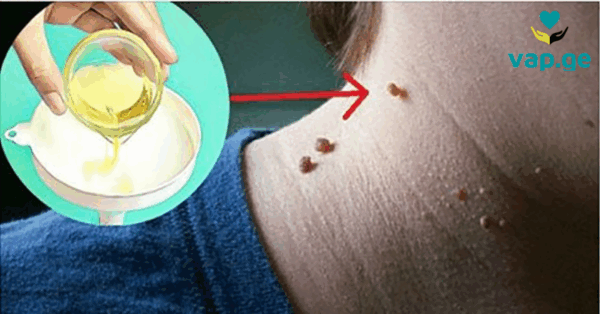
Fibromas are one of the most common benign skin growths, yet despite their prevalence, many people remain unfamiliar with what they are, why they appear, and how they can be safely managed. In this article, we will explore fibromas in depth — their characteristics, causes, potential complications, clinical management, and home-based considerations strictly from an informational perspective.
What is a Fibroma?
A fibroma is a benign tumor of connective tissue that appears on the skin as a small, soft, or slightly firm bump. Fibromas can vary in size, generally ranging from a few millimeters up to about 1 centimeter, although larger forms are occasionally observed. Their color usually matches the surrounding skin but can sometimes be slightly lighter or darker.
Fibromas are non-cancerous and are generally not associated with any serious health risk. However, their presence may cause cosmetic concerns, particularly when multiple lesions appear on visible areas such as the neck, underarms, abdomen, eyelids, or under the breasts.
Key Characteristics:
Typically soft, round or oval bumps
Skin-colored or slightly darker/lighter than surrounding skin
Slow-growing and often increasing in number with age
Usually asymptomatic but can occasionally become irritated
Almost everyone develops at least one fibroma in their lifetime. Their prevalence underscores the importance of understanding these growths to differentiate them from more serious skin lesions.
Causes and Risk Factors
The exact cause of fibromas is still not fully understood, but medical research suggests several contributing factors:
Genetic Predisposition: Some individuals are more likely to develop fibromas due to hereditary factors.
Friction or Irritation: Repeated friction, pressure, or minor trauma to the skin can stimulate the growth of fibromas in certain areas.
Hormonal Factors: Hormonal changes may contribute to the appearance or growth of fibromas, particularly in adults.
Excess Fat Deposits: Areas with higher fat tissue may be more prone to fibroma development.
While fibromas are benign, their number and size may increase over the years, occasionally leading to discomfort or aesthetic concerns.
Clinical Presentation and Symptoms
Fibromas typically present as:
Small, soft bumps on the skin
May be singular or multiple
Usually asymptomatic but can become inflamed, irritated, or bleed if rubbed or scratched
Firm fibromas may occasionally cause minor discomfort when pressed
Fibromas rarely interfere with overall health, but any sudden changes — rapid growth, pain, color change, or ulceration — should prompt a medical evaluation to rule out more serious conditions.
Diagnosis
Diagnosis of fibromas is usually straightforward for a qualified dermatologist or primary care physician. Clinical examination often suffices, but in rare cases, biopsy or dermatoscopic evaluation may be recommended to exclude malignancy or other skin tumors.
A dermatologist may also evaluate:
Number and distribution of fibromas
Size and depth within the skin
Signs of irritation, inflammation, or infection
Proper diagnosis ensures that benign fibromas are correctly distinguished from malignant lesions, such as dermatofibrosarcoma or other skin cancers.
Professional Treatment Options
Fibroma removal is generally considered for cosmetic reasons, discomfort, or if complications arise. Common professional methods include:
Electrocautery: Fibroma is burned off using an electric current, minimizing bleeding.
Laser Therapy: A precise method that removes fibromas with minimal scarring.
Radio Surgery: Uses high-frequency radio waves to remove tissue safely.
Excision: Small fibromas may be surgically removed under local anesthesia if necessary.
Important Considerations:
Removal is often recommended during cooler months to reduce sweating and sun exposure, which can aid healing.
Post-procedure care involves keeping the area clean, applying antibiotic ointment, and avoiding friction or vigorous activity for several days.
Follow-up with a dermatologist ensures proper healing and monitoring for new fibroma formation.
Home Care and Informational Considerations
While professional removal is the safest and most reliable method, some people explore home remedies, including apple cider vinegar (ACV), which is sometimes mentioned for fibroma management.
Medical Perspective on ACV:
ACV is acidic and may irritate the skin if applied incorrectly.
There is no clinical evidence that ACV safely removes fibromas.
If mentioned in literature or forums, it should be strictly informational — never used near the eyes or sensitive areas, and care must be taken to avoid healthy skin.
Medical Advisory: Always consult a dermatologist before attempting any home remedy. Forceful removal or repeated irritation can lead to infection, scarring, or delayed healing.
Potential Complications
Although fibromas are benign, potential complications include:
Inflammation
or infection if scratched or irritated
Bleeding in case of trauma
Cosmetic concerns due to number, size, or location
Rarely, misdiagnosis if a malignant lesion mimics a fibroma
Monitoring fibromas for changes in size, color, or texture is crucial. Any unusual symptoms should prompt immediate consultation with a healthcare professional.
Prevention and Skin Care
While fibromas cannot always be prevented, several strategies can minimize risk:
Minimize friction: Avoid tight clothing or repeated rubbing on susceptible areas.
Maintain healthy skin: Regular cleansing and moisturizing reduce irritation.
Weight management: Excess fat deposits may contribute to fibroma development.
Routine dermatologic checks: Especially for adults prone to multiple lesions, regular skin exams are recommended.
Summary
Fibromas are common, benign skin growths arising from connective tissue. They are generally harmless but may cause cosmetic or minor physical discomfort.
Key Points for Patients:
Fibromas are not cancerous.
Diagnosis is straightforward for dermatologists; biopsy may be used if needed.
Professional removal methods (electrocautery, laser, radio surgery, or excision) are safe and effective.
Home remedies, such as apple cider vinegar, lack scientific validation and carry risks of irritation or infection.
Post-removal care is essential to prevent infection, scarring, and complications.
Routine monitoring and skin care reduce irritation and ensure early detection of unusual changes.
Final Note:
Consultation with a qualified dermatologist is the safest approach for managing fibromas. They can provide a tailored plan for removal, monitoring, and preventive strategies. Attempting removal without professional guidance is not recommended due to risk of infection, scarring, and misdiagnosis.