


How to Use Rice Water to Get Rid of Diarrhea: Simple Preparation, Powerful Results!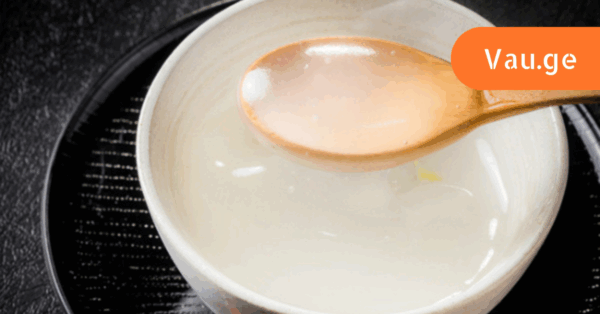
For centuries, rice water has been valued not just as a food byproduct but also as a natural remedy for various ailments, especially digestive problems. Across many cultures—Asian, African, and even Mediterranean—people have turned to this simple, humble liquid to soothe the stomach, relieve diarrhea, and restore hydration. Its effectiveness lies in its natural starch content and the essential nutrients it contains.
In this article, we’ll explore the healing properties of rice water, its benefits for the stomach and overall health, and give you a simple step-by-step guide to preparing it at home. You’ll be surprised at how easy it is to make and how much your body can benefit from this age-old remedy.
Rice Water and Its Healing Power for the Stomach
Today, rice water has regained popularity as people seek gentle, natural alternatives to pharmaceutical solutions. One of the main reasons for this resurgence is its nutritional composition—particularly its starch content, which plays a soothing role in digestion.
When you drink rice water, it forms a mild coating over the stomach lining. This coating helps protect the digestive tract and reduces irritation caused by acid or infection. Whether consumed warm or cold, rice water works wonders for both adults and children suffering from diarrhea, helping restore balance and calm to the digestive system.
In addition to its digestive benefits, rice water also provides your body with small but valuable amounts of vitamins and minerals, such as magnesium, potassium, and certain B vitamins. These nutrients are vital when you’re recovering from diarrhea since your body loses fluids and electrolytes during the illness.
A Time-Tested Remedy Across Generations
Long before modern medicine, rice water was one of the most trusted home remedies for gastrointestinal distress. Grandmothers across the world knew that when someone suffered from an upset stomach, a cup of warm rice water could help rehydrate the body and ease discomfort.
Scientific studies now confirm what traditional wisdom has long claimed: rice water can protect the stomach lining, slow down the loss of fluids, and even reduce the frequency of bowel movements in cases of mild diarrhea.
In children, rice water can be particularly effective because it provides a gentle source of energy while calming the digestive tract. Pediatric specialists in many cultures still recommend it as a supplementary treatment for mild cases of diarrhea or gastritis.
How Rice Water Works Against Diarrhea
When you suffer from diarrhea, your intestines become irritated and overactive, pushing food and fluids through too quickly. This rapid movement prevents proper absorption of water and nutrients, leading to dehydration and fatigue.
Rice water helps by doing three important things:
Rehydration: It replenishes fluids lost through diarrhea and prevents dehydration.
Soothing the Intestines: The starch in rice water coats the lining of the stomach and intestines, reducing irritation and slowing down bowel movements.
Restoring Energy: The natural carbohydrates in rice water give your body a small, easily digestible source of energy, helping you recover faster.
In short, rice water acts as a natural oral rehydration solution that not only restores fluids but also supports healing.
How to Prepare Rice Water at Home
You don’t need any fancy ingredients or equipment to prepare rice water—just rice, water, and a little patience. Follow these easy steps:
Step 1: Gather the Ingredients
1 cup of white rice (avoid wild rice or brown rice, as they release less starch)
4 cups of water (preferably distilled or filtered)
A pinch of salt and a teaspoon of sugar (optional, but helpful for replenishing electrolytes)
Step 2: Soak the Rice
Place the rice in a bowl and cover it with water. Let it soak for a few hours. This step helps the rice release its starch more easily once it’s cooked.
Step 3: Boil the Water
Bring the 4 cups of clean water to a boil in a pot. Add the soaked rice and stir occasionally. Continue boiling until the water becomes cloudy and milky white—this is a sign that the starch has been released.
Step 4: Strain and Store
Strain the rice, keeping the liquid. This milky liquid is your rice water. Pour it into a cup and drink it warm like tea. You can also refrigerate it and drink it cold later.
For those who are ill, drinking it lukewarm is often easier on the stomach.
Storage Tips:
Store any remaining rice water in a jar with a tight-fitting lid.
In the refrigerator: up to 4 days
At room temperature: up to 2 days
If it develops an unpleasant smell or changes color, discard it and make a fresh batch.
Why It Works So Well
Rice water’s effectiveness lies in its composition. It contains:
Complex carbohydrates that are slowly digested and help stabilize energy levels.
Starch, which soothes the digestive lining and reduces in
testinal irritation.
Amino acids and vitamins that help repair the gut and maintain hydration.
These properties make rice water not only an excellent remedy for diarrhea but also a gentle recovery drink after illness, food poisoning, or stomach flu.
Rice Water for Gastritis and Stomach Pain
If you suffer from gastritis or occasional stomach pain, rice water can be just as helpful. Some people prefer eating boiled rice during stomach upsets, but drinking the rice water itself delivers the benefits more directly and efficiently.
The starch acts as a natural buffer against stomach acid, easing pain and discomfort. Regular consumption during recovery can help strengthen the stomach lining and reduce inflammation.
Scientific Support
Recent studies have shown that rice water can protect the intestinal walls and even combat certain infectious agents responsible for diarrhea. Researchers found that it helps normalize bowel movements while preventing excessive fluid loss. It’s no wonder that traditional healers and modern doctors alike continue to recommend this natural remedy.
Beyond Digestion: Other Uses of Rice Water
While rice water is best known for its digestive benefits, its usefulness extends far beyond that. Many people use it as part of their beauty routine or even to treat skin conditions.
1. For Hair Care
Rice water contains inositol, a type of carbohydrate that repairs damaged hair and helps prevent hair loss. What’s remarkable is that inositol remains inside the hair even after rinsing, providing long-lasting protection and shine.
To use rice water for hair, simply massage it into your scalp after shampooing, leave it for 5–10 minutes, and rinse thoroughly. You’ll notice smoother, stronger hair over time.
2. For Skin Health
Rice water can also benefit the skin. Thanks to its anti-inflammatory properties, it can help reduce redness, calm irritation, and even relieve eczema. It can be applied as a gentle toner or used in a bath to soothe sensitive skin.
The amino acids and vitamins in rice water nourish the skin, promoting a clearer and more radiant complexion.
Final Thoughts: A Simple Yet Powerful Remedy
Rice water may seem humble, but its effects are remarkable. It is one of those natural remedies that stand the test of time—safe, inexpensive, and surprisingly effective.
The next time you or a family member experiences diarrhea or stomach discomfort, skip the over-the-counter solutions and try this traditional remedy first. You might be amazed by how quickly it helps calm the stomach, restore strength, and rehydrate your body.
So, don’t throw away that water after rinsing your rice. Instead, turn it into a soothing, healing drink that your digestive system will thank you for.
Rice water—the simplest solution for diarrhea, gastritis, and beyond!






















