If You Suffer from Swollen Feet, This Natural Remedy Could Be a Lifesaver!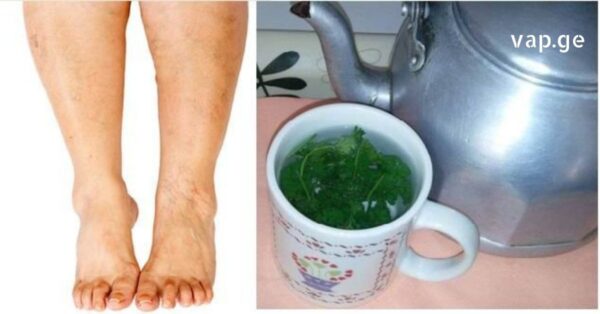
Swelling in the lower limbs—especially the feet—can be uncomfortable, unsightly, and in some cases, a sign of more serious underlying health problems. If you’re dealing with swelling (also known as edema), don’t ignore it. This simple yet powerful natural remedy might be just what your body needs. The best part? You can easily make it at home using only a few ingredients.
What Is Edema (Swelling) in the Feet?
Swelling in the legs and feet can occur in any part of the lower extremities: the toes, feet, ankles, knees, or even thighs. It happens when excess fluid accumulates in the tissues or cells, leading to puffiness, tightness, and sometimes pain or discomfort.
This condition, known medically as peripheral edema, is not a disease itself but a symptom that can have many causes.
Common Causes of Foot and Leg Swelling
Some of the most common triggers for leg and foot swelling include:
Heat – High temperatures cause blood vessels to dilate, making it harder for veins to pump blood back to the heart.
Circulatory problems – Poor vein function or blocked blood vessels can lead to fluid retention in the lower body.
Kidney dysfunction – When kidneys fail to properly filter waste and fluid from the blood, it can lead to widespread swelling.
Pregnancy – Hormonal changes and increased pressure on blood vessels during pregnancy often result in swelling in the feet and ankles.
Heart failure – One of the most serious causes; when the heart can’t pump efficiently, fluid builds up in the legs and lungs.
Hormonal imbalances – Especially during menstruation or menopause, hormonal shifts can cause the body to retain more water.
Sedentary lifestyle – Long periods of sitting or standing can hinder circulation and cause swelling.
When to Be Concerned
While mild, occasional swelling may not be a cause for alarm, persistent or severe swelling—especially when accompanied by symptoms like pain, redness, shortness of breath, or chest pain—may indicate a serious health condition. For example:
Deep vein thrombosis (DVT): A blood clot in a deep vein, usually in the leg, which can be life-threatening if it travels to the lungs.
Heart disease or heart failure
Liver or kidney disease
For that reason, it’s essential not to ignore persistent swelling. Always consult a medical professional if you’re unsure about the cause.
A Natural Diuretic Remedy for Swollen Feet
In folk medicine, there are numerous natural recipes used to relieve swelling. Many of these remedies act as natural diuretics, helping the body eliminate excess fluid without the side effects of synthetic drugs. Below, we’ll share one of the most effective and easy-to-make remedies.
This simple herbal infusion requires just two ingredients: fresh parsley and parsley root. Both have powerful diuretic properties, support kidney function, and reduce fluid buildup in the body.
Parsley: A Powerful Natural Diuretic
Parsley isn’t just a garnish—it’s a medicinal herb that has been used for centuries for its ability to cleanse the kidneys and reduce water retention. It contains flavonoids, antioxidants, vitamins A and C, and essential minerals like potassium and magnesium.
Parsley works by stimulating the kidneys to produce more urine, helping the body eliminate excess sodium and fluid while maintaining a healthy electrolyte balance.
Homemade Recipe for Swelling Relief
Ingredients:
Fresh parsley leaves (a handful)
Parsley root (a small amount, well-cleaned)
500 ml (about 2 cups) boiling water
Instructions:
Wash the parsley and roots thoroughly.
Grind or blend them together using a food processor or meat grinder until you have a fine paste.
Transfer the paste into a thermos or heatproof container.
Pour 500 ml of boiling water over the parsley mixture.
Cover tightly and let it steep overnight.
In the morning, strain the liquid.
This recipe makes one day’s dose.
How to Use:
Drink the parsley infusion three times per day.
Repeat the process for two days, then take a break for three days, and repeat again if needed.
This simple cycle can help reduce swelling, promote urination, and support your kidney function. It’s gentle, natural, and safe for most people—though, as always, consult your doctor if you’re taking any medication or have chronic health conditions.
Additional Tips to Reduce Swelling Naturally
While the parsley remedy is effective, it’s best used as part of a holistic approach. Here are some additional lifestyle and dietary tips to help reduce or prevent foot and leg swelling:
1. Elevate Your Legs
Whenever possible, elevate your legs above heart level for 15–20 minutes. This helps improve blood flow and reduces fluid accumulation.
2. Stay Hydrated
It might sound counterintuitive, but drinking more water actually helps reduce water retention. Dehydration causes the body to hold onto fluid.
3. Exercise Regularly
Physical activity, even light walking, helps stimulate circulation and prevents fluid buildup in the lower extremities.
4. Reduce Salt Intake
Too much sodium causes the body to retain water. Opt for fresh, whole foods and avoid processed meals that are high in salt.
5. Wear Compression Socks
Compression garments help improve circulation and are especially useful if you sit or stand for long periods.
6. Avoid Tight Clothing
Tight pants or socks can restrict blood flow and worsen swelling.
Must-See: 20 Reasons Why You Should Eat Bananas and How They Benefit Your Body