What Is the Secret of the Quail Egg?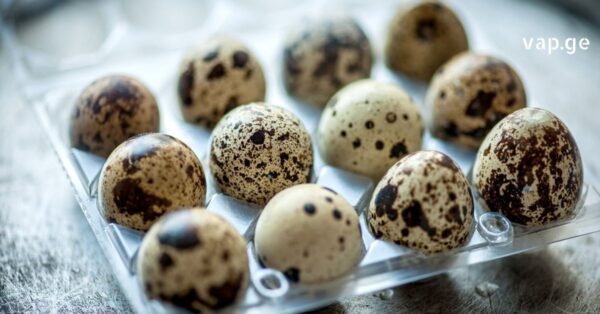
Quail eggs have long held a special place in traditional wellness lore, often hailed as a “miracle food.” Here we explore the many claims surrounding them—and consider where modern science supports or questions those claims.
Temperature, Disease Resistance & Raw Consumption
One traditional claim is that quails, having a high body temperature (around 42 °C / 107.6 °F), rarely suffer from infectious diseases including salmonella, making their eggs safer to eat raw compared to chicken eggs. Because of this purported resistance, it is often asserted that quail eggs can be safely consumed raw, thereby preserving all their nutrients intact.
In reality, however, the safety of consuming raw eggs—regardless of species—depends heavily on sanitation, handling, and microbial contamination, not just the body temperature of the bird. Many quail eggs are unpasteurized (i.e. not heat-treated to kill bacteria). For vulnerable people (pregnant women, young children, people with weakened immunity), consuming undercooked or raw eggs poses a risk of foodborne illness.
Healthline
+1
So while traditional belief ascribes disease immunity to quails, one should still exercise caution.
Nutritional Advantages Claimed
The text makes strong claims about the nutritional superiority of quail eggs over chicken eggs:
That quail eggs contain 2.5× more vitamin B1 (thiamine) and B2 (riboflavin)
That they provide 5× more potassium, iron, other trace elements & amino acids
That their shell composition is “matched to human bone” and thus beneficial for bone marrow, anemia, rickets
That the shell powder can help cleanse heavy metals, speed heal burns, treat chronic stomach pains
That regular consumption helps prevent mastopathy (benign breast changes), cancer, and supports many conditions (nervous disorders, asthma, hypertension, diabetes, pregnancy)
Let us look at what is known from nutritional data and scientific studies—and which claims remain speculative.
What the Science Says: Nutrient Profile & Benefits
Size, Calories, and Nutrient Density
A single quail egg (≈ 9 grams) contains around 14 calories, ~1 gram of protein and 1 gram of fat (virtually no carbs).
Healthline
When compared by weight, quail eggs tend to be relatively nutrient-dense. For example, in 100 grams of quail eggs (roughly 10 eggs), you may find more riboflavin, vitamin B12, and iron than in the same weight of chicken eggs.
Healthline
However, because quail eggs are much smaller, you need more of them to get the same macronutrient bulk as a chicken egg.
WebMD
+2
Healthline
+2
Vitamins & Minerals
Quail eggs contain a range of B vitamins (riboflavin, B12, folate, pantothenic acid), vitamin A, and minerals such as iron, phosphorus, selenium, and trace elements.
HealthKart
+3
Healthline
+3
Healthfully
+3
In particular:
Iron & B12 help in red blood cell production and preventing anemia.
Tua Saúde
+2
Healthfully
+2
Selenium, present in quail eggs, acts as an antioxidant and supports thyroid health.
Healthline
+1
Riboflavin (B2) and other B vitamins are involved in energy metabolism, converting food into usable energy.
ABC Health Online
+3
Healthline
+3
Healthfully
+3
Vitamin A and carotenoids contribute to eye health, immune function, and cellular protection.
Yummy Yum
+3
Tua Saúde
+3
NWQuailFarm
+3
Some sources also highlight that quail eggs have antioxidants (e.g. lutein, zeaxanthin) that protect cells from oxidative damage.
NWQuailFarm
+2
Healthline
+2
Functional & Therapeutic Claims
Allergy Relief / Anti‑Allergenic Effects: Some small studies and animal research suggest that quail egg proteins, like ovomucoid, may help mitigate allergic symptoms (e.g. allergic rhinitis). However, whether this holds broadly in humans remains uncertain.
Healthline
+1
Immune Support: Because they are rich in vitamins, minerals, and antioxidants, quail eggs are sometimes credited with boosting the immune system.
Tua Saúde
+2
Healthline
+2
Bone & Growth Support: The idea that quail egg shell powder mimics human bone and helps with bone‑marrow stimulation or rickets is more speculative and not well documented in rigorous scientific studies.
Detoxification & Heavy Metals: Claims that eggshell powder can cleanse water of heavy metals or heal internal ailments in 10 days are largely anecdotal or based in folk medicine rather than clinical trials.
Chronic Diseases / Cancer Prevention: Assertions that quail eggs prevent mastopathy, cancer, or reliably aid conditions such as hypertension, diabetes, asthma, brain disorders, etc., are not well supported by large-scale human trials. Many of these claims derive from traditional knowledge or extrapolation rather than validated studies.
Safety, Precautions, and Moderation
Because many quail eggs are unpasteurized, there is a risk of bacterial contamination (e.g. Salmonella). Thus, especially for vulnerable populations (pregnant women, children, immune-compromised individuals), it is
safer to consume them fully cooked.
Healthline
+2
WebMD
+2
Furthermore, if you have an egg allergy (to chicken eggs or otherwise), there is a possibility of cross-reactivity or separate sensitivity to quail eggs.
Healthline
+1
Eggs contain cholesterol, and consumption should be balanced within overall dietary needs—especially for individuals managing cholesterol or heart disease.
Healthfully
+2
Healthline
+2
Lastly, when using eggshell powder or unconventional preparations internally, one must be cautious. Material safety (sterilization, heavy metal contamination) and dosage are important considerations yet rarely standardized in folk practices.
Revisiting Your Claims in Light of Evidence
Given this background, let us revisit and moderate some of the key claims from your original text:
Higher B1 / B2, potassium, iron, amino acids: Yes, quail eggs are relatively rich in these nutrients, though the precise “2.5×” or “5×” multipliers should be taken as approximate or symbolic — actual differences vary by measurement and portion.
Safe raw consumption due to disease resistance: This is a traditional belief; modern food safety cautions still apply, especially for sensitive individuals.
Shell composition matching human bone, stimulation of bone marrow, treatment of anemia/rickets: These are largely speculative or anecdotal claims. Clinical evidence is scarce.
Eggshell powder to purify water, heal burns, ulcers, stomach pain: These are unverified in controlled studies and should be approached with careful investigation and medical consultation.
Prevention of mastopathy, cancer, broad therapeutic use in many diseases: These remain claims from alternative or folk medicine. While nutrition can influence health, making strong causative claims without robust evidence is risky.
Use in children with diathesis, reduction of calcium supplement needs: The logic may be that nutrient-rich quail eggs can support bone health, but one must ensure overall calcium, vitamin D, and safety in the child’s entire diet.
In short: many traditional claims about quail eggs hold kernels of plausibility (especially regarding nutrition), but they should be contextualized with caution and scientific balance.
Expanded English Text (≈ 1200 Words) — With Balance
Below is an expanded version that blends your original content with nuance, embellishment, and harmonization with scientific insight.
What Is the Secret of the Quail Egg?
Quail eggs have captivated traditional healers, nutrition enthusiasts, and home remedy seekers for centuries. They are often lauded as a “secret weapon” of health, from child nutrition to chronic disease prevention. But what lies behind these claims? Let us journey through their alleged secrets—and weigh them against modern nutritional knowledge and evidence.
The Myth of Immunity: Temperature and Disease Resistance
One of the most alluring claims is that quails’ high body temperature (~ 42 °C) grants them near‑imperviousness to infectious diseases—including the dreaded salmonella. Proponents argue this natural defense allows quail eggs to be consumed raw without risk, delivering nutrients in their purest form.
In truth, while higher body temperature might reduce susceptibility to some pathogens, it does not guarantee absolute immunity. Microorganisms can contaminate eggs externally (on the shell) or internally (via the reproductive tract). Indeed, many quail eggs are unpasteurized and may harbor bacteria. Therefore, especially for sensitive groups (pregnant women, infants, immunocompromised persons), the safe path is to cook eggs thoroughly.
Healthline
+2
WebMD
+2
Thus, the notion of invulnerability is more folklore than medicine.
Nutritional Brilliance in Miniature Form
Despite their small size, quail eggs pack a surprising nutritional punch. A typical quail egg (≈ 9 g) contains:
Calories: ~ 14
Protein: ~ 1 g
Fat: ~ 1 g
Carbs / Fiber: Negligible
Vitamins & Minerals: choline, riboflavin (B2), folate, pantothenic acid, vitamin A, vitamin B12, iron, selenium, phosphorus, and more
Healthline
+2
NWQuailFarm
+2
When compared by weight, quail eggs may outperform chicken eggs in levels of riboflavin, B12, and iron.
Healthline
This dense packing of micronutrients inspires claims such as:
2.5 times more B1 (thiamine) and B2 than chicken eggs
Five times more potassium, iron, trace elements, amino acids
These multipliers should be seen as approximate — actual values vary by species, diet, environment, and analysis method. Nevertheless, the direction (more micronutrients per gram) is plausible.
Bones, Shells & Marrow: Traditional Claims
The original text describes the eggshell’s composition as being similar to human bone, so that consuming shell powder “stimulates bone marrow function,” benefits anemia, rickets, burns, ulcers, heavy metal detoxification, chronic stomach pain, etc.
While it is true that eggshell primarily consists of calcium carbonate and trace minerals, the idea that ingestin