The Health Benefits of Pistachios for Human Health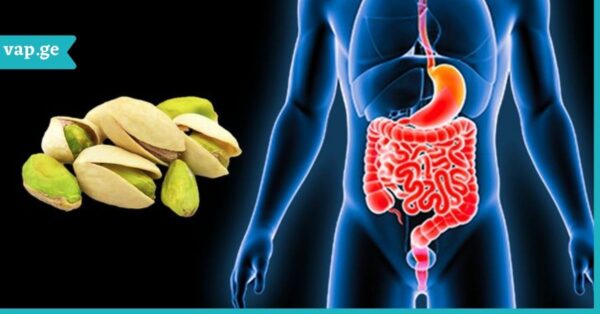
Among nuts, pistachios hold a special place. They are rich in numerous nutrients, and their consumption exerts beneficial effects on human health. Pistachios influence psycho‑emotional balance, help restore cardiovascular function, and exert toning and antioxidant effects on the body. Below we present, in detail, why including pistachios in the diet can be so important and necessary for our health.
Introduction
Pistachios (from Pistacia vera) are more than just a tasty snack — they are a nutritional powerhouse. Their unique composition of healthy fats, fibers, proteins, phytonutrients, vitamins, and minerals gives them a wide array of health‑promoting properties. Over decades, scientific research has explored how regular consumption of pistachios can support cardiovascular health, metabolic balance, immune function, nervous system resilience, and more. Below we break down their benefits by system and function.
Nutritional Profile of Pistachios
To understand why pistachios are so beneficial, we first need to know what they contain.
A typical serving of about 1 ounce (28 g), which is approximately 49 pistachio kernels, includes:
~ 13 g total fat, mostly unsaturated (monounsaturated and polyunsaturated)
მედიცინის ახალი ამბები
+2
Good Housekeeping
+2
~ 6 g protein
Healthline
Carbohydrates (~ 8 g), with a low glycemic index, so they do not trigger sharp glucose spikes
Rich in micronutrients: potassium, phosphorus, magnesium, vitamin B6, thiamin (B1), copper, manganese, vitamin K, among others
SATCO
+4
Healthline
+4
PubMed
+4
High in phytonutrients / phytochemicals: including antioxidants (lutein, zeaxanthin, polyphenols, tocopherols), phytosterols, and carotenoids
pistachios offer a balanced mix of beneficial macronutrients (healthy fats, protein, fiber) and micronutrients and bioactive compounds that work together to support health.
Key Health Benefits of Pistachios
1. Cardiovascular Health & Heart Function
Pistachios have been studied extensively for their beneficial effects on the heart and blood vessels.
Cholesterol Regulation
Pistachios contain healthy unsaturated fats (monounsaturated and polyunsaturated), along with fiber and phytosterols, which together help reduce LDL cholesterol (the “bad” cholesterol) and total cholesterol, while maintaining or increasing HDL (the “good” cholesterol).
PubMed
Multiple randomized cardiovascular trials support that pistachios improve blood lipid profiles.
PubMed
Blood Pressure & Vascular Function
Pistachios appear especially promising in helping to regulate blood pressure. A meta-analysis of 21 studies reported that pistachio intake lowered systolic blood pressure by about 1.82 mmHg and diastolic by about 0.8 mmHg.
Healthline
This effect may be due to the presence of L-arginine (an amino acid that contributes to nitric oxide production and vasodilation), along with potassium, magnesium, and antioxidants.
Nutfruit
Pistachios also help improve endothelial function (the health of the inner lining of blood vessels), which is important to prevent stiffness and maintain good circulation.
Healthline
Anti-Inflammatory and Antioxidant Effects
Chronic inflammation and oxidative stress are key contributors to cardiovascular disease. The antioxidant compounds in pistachios help neutralize free radicals, reduce oxidative damage, and suppress inflammation.
მედიცინის ახალი ამბები
In summary, regular (but moderate) consumption of pistachios supports the heart by improving lipid profiles, aiding blood pressure regulation, supporting vessel flexibility, and reducing oxidative stress.
2. Metabolic Health, Blood Sugar & Diabetes Management
Pistachios also contribute to better metabolic balance and help in regulating blood sugar:
Glycemic Control & Insulin Sensitivity
Because pistachios have a low glycemic index, they lead to moderate and gradual rises in blood glucose levels, rather than sharp spikes.
WebMD
Several studies and meta-analyses suggest that consuming pistachios may lower fasting blood sugar, reduce insulin resistance, and improve glucose metabolism, particularly in individuals with prediabetes, type 2 diabetes, or metabolic syndrome.
Healthline
In one analysis, a Mediterranean diet enriched with pistachios helped reduce gestational diabetes risk.
Weight Management & Satiety
Despite being calorie‑dense, pistachios may support weight control. Their fiber and protein content help promote satiety (a sense of fullness), reducing overe
ating.
Nutfruit
Some studies suggest that part of the fat in pistachios is not fully metabolized (due to structures within the nut), lowering their net metabolizable energy.
PubMed
Also, eating pistachios in their shells slows down the eating process and encourages more mindful consumption; one study showed participants eating in-shell pistachios consumed 41% fewer calories than those eating shelled pistachios.
WebMD
In some weight‑loss interventions, those including pistachios saw greater reductions in BMI and triglycerides compared to control snack groups.
PubMed
Thus, pistachios can be a helpful component in diets aimed at improving metabolic health and supporting weight management.
3. Digestive Health & Gut Microbiome
The fiber in pistachios acts not only to support regular digestion, but also to nourish beneficial gut bacteria (prebiotic effect):
Prebiotic Fiber & Gut Bacteria
Some types of dietary fiber pass undigested into the colon, where they are fermented by gut microbiota. This process produces short-chain fatty acids (SCFAs) such as butyrate, which support colon health, reduce inflammation, and may reduce risks of certain cancers.
Nutfruit
Studies suggest that pistachios may specifically increase populations of beneficial bacteria (butyrate-producers) more than other nuts like almonds.
Healthline
In people with prediabetes, consuming pistachios nightly for 12 weeks resulted in positive shifts in gut microbiota composition (increased beneficial bacteria like Roseburia and Lachnospiraceae) and reduced less favorable bacteria.
Verywell Health
Regularity & Digestive Comfort
The fiber in pistachios helps to promote bowel regularity, prevent constipation, and maintain a healthy intestinal environment.
LiveStrong
Some epidemiological and experimental studies also suggest that diets rich in fiber (like that from nuts) are associated with lower risks of colon cancer.
Overall, pistachios contribute to gastrointestinal health in multiple ways — from promoting a beneficial microbiome to supporting smooth digestion and possibly reducing cancer risk.
4. Eye Health & Protection from Age-Related Damage
Pistachios stand out among nuts for their content of lutein and zeaxanthin, powerful carotenoids that play a crucial role in eye health.
Macular Protection & Blue Light Filtering
Lutein and zeaxanthin accumulate in the retina, especially in the macula, where they protect against harmful blue light and free-radical damage. This helps slow the progression of age-related macular degeneration (AMD), a leading cause of vision loss in older adults.
Nutfruit
Among nuts, pistachios have one of the highest concentrations of these pigments.
LiveStrong
Thus, regular consumption of pistachios may contribute to better long-term vision and protection of the retina from oxidative damage.
5. Antioxidant, Anti‑Inflammatory & Protective Effects
Many of the protective benefits of pistachios in relation to major chronic diseases stem from their rich array of antioxidants and anti-inflammatory compounds.
Polyphenols, Flavonoids, Tocopherols, Carotenoids
Pistachios contain diverse antioxidant molecules that neutralize reactive oxygen species (free radicals) and reduce oxidative stress.
მედიცინის ახალი ამბები
These compounds also modulate signaling pathways that reduce chronic inflammation, a driver in many diseases such as diabetes, cardiovascular disease, neurodegeneration, and cancer.
Cellular Protection & Anti‑Cancer Potential
Though evidence in humans is still preliminary, some observational and experimental studies suggest that pistachios may help protect against certain cancers (e.g., colon cancer) due to their antioxidant, fiber, and phytochemical content.
Pistachios’ compounds may inhibit oxidative DNA damage, reduce lipid peroxidation, and support repair mechanisms.
MDPI
In effect, these protective actions help the body resist damage from environmental stress, metabolic by‑products, and chronic disease risk factors.
6. Nervous System, Mood & Cognitive Health
While less directly studied than cardiovascular or metabolic effects, pistachios may also support brain, mood, and nervous system health:
Nutrients for Neurotransmitters
Vitamin B6, present in pistachios, is essential for the synthesis of neurotransmitters like serotonin and GABA, which regulate mood, sleep, and emotional balance.
Healthline
Magnesium and potassium also play roles in nerve conduction and membrane potentials.
PubMed
Antioxidant Protection in the Brain
The antioxidants (polyphenols, lutein, zeaxanthin, etc.) present in pistachios may help reduce oxidative stress in neural tissues, which is implicated in age‑related cognitive decli