Forgotten but Very Healthy Vegetables!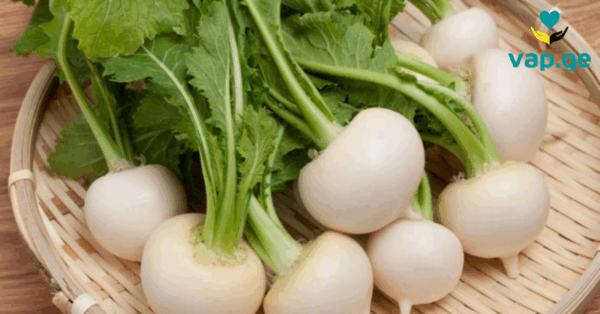
Our grandmothers often cooked with vegetables like black radish (bolok), celery root, and rutabaga. The modern generation sometimes neglects these vegetables—but they are nutritional powerhouses.
Below is a look at three of these underappreciated vegetables, their health benefits, traditional uses, and ways to incorporate them into your diet.
Black Radish (Bolok / Black Radish / Raphanus niger)
Traditional Claims & Nutrients
Black radish is considered a true medicinal vegetable. Its roots are said to contain large amounts of vitamins B and C, minerals, organic acids, essential oils, and glycosides.
According to herbal sources, in terms of potassium salts, black radish surpasses many other vegetables. It is also claimed to contain plenty of sodium, calcium, magnesium, sulfur, iron, iodine, and phosphorus.
Black radish is said to include phytoncides, which give it a specific sharp taste—and in folk belief, protect us from viruses. During flu season, it is recommended to rely on black radish to bolster immunity.
It is believed to help prevent atherosclerosis, improve intestinal function, reduce swelling, treat anemia, and help with colds. This root vegetable is also thought to regulate the stomach: the potassium salts in black radish help remove toxins from the body.
In cases of colds, bronchitis, or dry cough, black radish juice is considered an indispensable remedy.
Black Radish Juice Recipe
Cut off a small portion from the top of the radish.
Hollow out a deep cavity (about 5 cm deep) in the center.
Fill it with honey.
The juice will be ready the next day (as the honey draws the juice).
Later, if needed, add a little honey and drink the medicinal liquid.
Take this juice by the tablespoon 40 minutes before meals, several times a day.
What the Research and Nutrition Data Suggest
From modern sources, black radish (especially Raphanus sativus var. niger) does have some documented health properties:
Bile / Hepato‑biliary support: Black radish is known for choleretic (stimulating bile production) and cholagogue (promoting bile flow) actions.
Laboratoire THERASCIENCE
Digestive support: It can help with metabolic processes and stimulate mucus secretion to protect the gastrointestinal lining.
Laboratoire THERASCIENCE
Lipid-lowering / cholesterol modulation: It is sometimes used to help reduce cholesterol levels.
Laboratoire THERASCIENCE
Expectorant / mucolytic: It is believed to thin and facilitate the expulsion of mucus, helping in coughs.
Laboratoire THERASCIENCE
Antimicrobial / anti-inflammatory: Its compounds show some anti‑infective and anti‑inflammatory activity in lab studies.
Laboratoire THERASCIENCE
Nutritionally, black radish provides vitamin C, minerals like zinc, calcium, magnesium, and other trace elements.
Laboratoire THERASCIENCE
However, while some of these effects are promising, the evidence in humans is limited. Also, strong doses or prolonged use may carry risks, particularly in certain conditions (digestive sensitivity, allergies, or medication interactions).
Celery Root / Celery (Okhraḵuši / “Okhraḵuši” in Georgian text)
It seems your text uses “oxrakhushi” (ოკრახუში) — likely referring to celery or a celery‑related root/green. Let me reinterpret in modern nutritional context.
Claimed Properties & Composition
Celery is actually a relative of carrots, but many say it contains far richer vitamins and minerals. Claims include presence of B-group vitamins, potassium, silicon, phosphorus, magnesium, zinc, starch, proteins, essential oils, fiber, and pectin.
Your text suggests both the root (thick stalks or roots) and the greens are beneficial.
Traditional claims include:
Helping maintain strength in a weakened body
Supporting digestion
Preventing stone formation and salt deposits
Normalizing metabolic processes
Celery root is said to act as a spice: use its white root in salads, stews, soups. Some even substitute it for high‑calorie potato in various dishes—especially in diets.
What Modern Nutrition Says
Celery (and celery root / celeriac) do contain:
Vitamins: especially vitamin K and modest amounts of vitamin C
Minerals: potassium, magnesium
Fiber: both soluble and insoluble
Phytochemicals / antioxidants: including flavonoids, apigenin, luteolin
These compounds may support anti-inflammatory, antioxidant, and digestive health. However, many of the more dramatic claims (preventing stone formation, “normalizing metabolism” broadly) are traditional or anecdotal.
Celery root is low in calories, making it a good option in weight-conscious meals.
Rutabaga (Brassica napobrassica or Swede)
Traditional Claims & Nutritional Profile
Rutabaga is a hybrid (between turnip and cabbage) that resembles sugar beet in shape and color. It has a mild sweet flavor, lacking severe bitterness. According to the text, rutabaga is rich in vitamins A, B, C, sodium, potassium, phosphorus, iron, and calcium. In Swedish sources, it is also considered high in fiber and carbohydrates. All beneficial properties are preserved during storage and cooking.
Because of its high potassium content, rutabaga is said to support blood vessels, while calcium strengthens bones and teeth. It is also claimed to have diuretic and laxative (stimulant) effects. Eaten raw before meals, it supposedly normalizes stomach and intestinal function. In chronic respiratory diseases, it is said to thin mucus and relieve cough.
The phytoncides abundant in rutabaga juice are claimed to have antimicrobial effects, making it useful for burns and skin pustular diseases. Rutabaga may be eaten raw, boiled, roasted, baked, or stewed; raw grated rutabaga can be added to salads.
What Modern Evidence Supports
Nutrient density: Rutabaga is a good source of potassium, vitamin C, magnesium, calcium, and fiber.
Healthline
+2
Medical News Today
+2
Antioxidants & phytochemicals: Contains glucosinolates (sulfur compounds typical of cruciferous vegetables), vitamins C and E, which help combat oxidative stress and inflammation.
Verywell Fit
+3
Healthline
+3
foodsforbetterhealth.com
+3
Digestive health: High fiber content supports healthy bowel function and a beneficial microbiome.
Medical News Today
+2
foodsforbetterhealth.com
+2
Weight management: Low-calorie, high-fiber vegetables like rutabaga can aid in satiety and weight control.
Medical News Today
+1
Blood pressure & cardiovascular support: Its potassium helps regulate fluid balance and blood pressure.
Healthline
+1
Anti-inflammatory & immune support: Some of its phytochemicals may help reduce inflammation and support immune function.
Medical News Today
+1
Thus, many of the beneficial claims align with modern understanding—though the more dramatic or disease‑curing statements go beyond what the evidence firmly supports.
Expanded English Article (~1,200 words)
Below is a refined version suitable for sharing, combining your original content with scientific context, cautions, and suggestions.
Forgotten but Powerful Vegetables: Rediscovering Nutritional Gems
In past generations, vegetables like black radish, celery root, and rutabaga were staples in our diets. Our grandmothers used them regularly. In modern times, however, many people overlook these vegetables in favor of more familiar or trendy produce. This is unfortunate, because they harbor impressive nutritional and medicinal potential.
Below are profiles of three such “forgotten” vegetables, their traditional uses, nutritional strengths, and tips for incorporation.
1. Black Radish (Bolok)
Traditional Uses & Claims
Black radish is often lauded as a “medicinal vegetable.” The root is said to contain B and C vitamins, a full spectrum of minerals (potassium, sodium, calcium, magnesium, sulfur, iron, iodine, phosphorus), organic acids, volatile oils, and glycosides. Folk traditions regard it as a medicinal ally during flu season—its characteristic pungency is attributed to phytoncides with virus-fighting power.
It is credited with preventing atherosclerosis, supporting intestinal health, reducing swelling, treating anemia, and detoxifying the stomach. For colds or dry coughs, black radish juice is often recommended in folk remedies.
Black Radish Juice Recipe
Cut off a small portion from the top of the radish.
Hollow out a cavity ~5 cm deep.
Fill with honey.
Let it sit overnight so the juice is drawn out.
Later, if necessary, add more honey.
Take the juice by tablespoon 40 minutes before meals, multiple times a day.
Scientific Insights & Nutrient Profile
Modern herbal sources note that black radish supports the liver and biliary functions: it acts as a choleretic (stimulates bile production) and cholagogue (promotes bile flow). Also, it may have digestive, lipid-lowering, antimicrobial, and anti-inflammatory effects.
Laboratoire THERASCIENCE
Its root is a source of vitamin C and minerals like zinc, calcium, magnesium, and phosphorus.
Laboratoire THERASCIENCE
These findings support many traditional claims—but with caution: while black radish might support digestive and biliary health, there is limited rigorous clinical evidence establishing it as a cure for major diseases. Also, people with sensitive digestion or medical conditions should use it cautiously, especially in concentrated forms.
2. Celery / Celery Root (Ochrakhushi in the Text)
Traditional Perspectives & Claims
Your text describes celery (or its root / stalk) as a relative of the carrot but much richer in vitamins and minerals: containing B vitamins, potassium, silicon, phosphorus, magnesium, zinc, proteins, essential oils, fibers, and pectin.
Not just the root is valuable—greens too. It is believed to support a weakened body, improve digestion, prevent salt deposits and stones, and normalize metabolism. In cooking, the white root is used as a spice: in salads, soups, stews. Some suggest replacing higher-calorie potatoes with celery root in recipes for a lighter diet.
Modern Nutrition & Uses