10 Common Diseases Treated with Conifer (Evergreen) Needles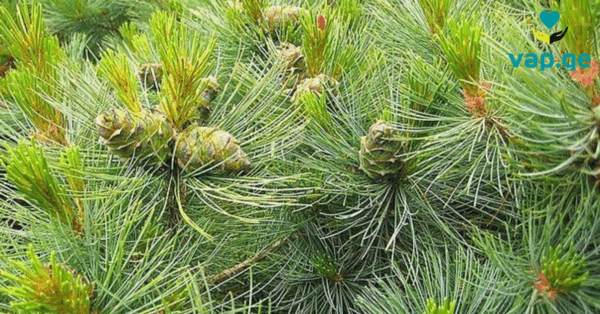
Coniferous trees infuse the air around them with phytoncides — natural substances capable of neutralizing harmful microorganisms. The evergreen needles themselves act as a living natural pharmacy. Studies show that there are ten times fewer bacteria in the air of pine forests compared to deciduous forests.
Their needles contain essential oils with bactericidal properties, carotenoids, high amounts of vitamin C (ascorbic acid), and trace compounds with anti-inflammatory effects. In addition, their resinous components (such as turpentine, wood vinegar, and other terpenes) have long been used medicinally. Our ancestors knew how to harness this green wealth for healing.
Here are 10 ailments often treated using conifer needles or parts of coniferous trees:
1. Common Cold / Respiratory Infections
Needles, young shoots, and cones are used to prepare infusions or decoctions taken orally in extended colds. Crushed needles may be used as a steam inhalation or compress. Pine bud decoctions are sometimes inhaled for sore throat or upper respiratory catarrh. In throat infections or stenocardia, one drop of pine or fir oil is sometimes instilled into each nostril.
2. Cardiovascular / Heart & Blood Vessel Disorders
For heart problems, decoctions of pine bark, pine cones, or young shoots are traditionally consumed. In atherosclerosis, pine nuts are considered beneficial.
3. Skin Conditions
Decoctions made from young twigs or pine buds are used for rashes, eczema, fungal eruptions, and various skin irritations. Pine resin (sap) combined with pork fat (lard) and beeswax is cooked into an ointment and applied externally in conditions like furunculosis, ulcers, or wounds.
4. Bronchial & Lung Diseases / Asthma
The young shoots (buds) of pine are used as decoctions in upper respiratory tract inflammations and bronchial asthma. Pine cone and bud extracts, due to their anti-inflammatory and antiseptic properties, also help loosen and expel mucus (expectorant action).
5. Kidney & Urinary Bladder Disorders
Needle or pine bud decoctions are used as diuretics to flush the urinary system. The decoction is often simmered for 20 minutes, then taken internally in cases of kidney or bladder dysfunction.
6. Digestive Tract Disorders
Pine resin is used in folk medicine to treat gastric ulcers and gastritis (inflammation). It is said to increase stomach acid production and help in ulcer healing, reduce heartburn, and protect the lining of the stomach and duodenum.
7. Headache & Migraine
A decoction of pine bark is used in cases of headache, noise in the ears (tinnitus), or migraines. The soothing and anti-inflammatory properties are believed to help relieve vascular tension.
8. Inflammation, Arthritis & Joint Pain
Because of the anti-inflammatory compounds in conifer needles and resin (terpenes, phenolics), they are used to ease swelling, joint pain, and rheumatic symptoms. Topical poultices or baths with needle infusions may be used.
9. Liver / Detoxification / Metabolic Support
Needle infusions are sometimes used to support detoxification of the body and improve metabolism. They are thought to aid the liver and kidneys in eliminating toxins.
10. Skin Ulcers, Wounds & Abscesses
Crushed resin, or external applications of pine resin and its oils, have been used on wounds, ulcers, boils, or abscesses. The antiseptic and antimicrobial properties of resin help prevent infection and promote healing.
Scientific Basis & Phytochemistry
Modern research supports several of these traditional uses. Conifer extracts have been found to contain flavonoids, quercetin, rutin, resveratrol, terpenes, and other phenolic compounds with antioxidant, anti-inflammatory, antimicrobial, antidiabetic, and neuroprotective effects.
ნაციონალური ბიოტექნოლოგიური ინფორმაცია
+2
PMC
+2
For instance:
Conifer extracts may help regulate glucose and lipid metabolism, modulate insulin secretion, reduce oxidative stress, and influence inflammatory pathways.
MDPI
+1
Many extracts show antimicrobial action against bacteria such as Staphylococcus aureus, Klebsiella pneumoniae, Pseudomonas aeruginosa, as well as fungi like Candida and Aspergillus.
ნაციონალური ბიოტექნოლოგიური ინფორმაცია
Different parts of conifer trees—needles, bark, resin—are used in traditional pharmacopeias for respiratory infections, wound healing, febrile states, diuretic effects, and as antiseptics.
PMC
+1
Hence, some of the traditional claims about respiratory diseases, skin infections, urinary disorders, inflammation, and metabolic support do have plausible scientific backing.
How to Prepare & Use Them
Here are traditional methods of preparation:
Needle infusions / decoctions (for internal use)
Use 0.5 to 1 kg of needles or young shoots in 3 liters of boiling water. Let them steep for 4 hours or more.
For pine or spruce buds (cones): boil 10 g of buds in 1 cup of water, steep for 4 hours, strain, and take 1 tablespo
on every 2–3 hours in cases of lung, kidney, or cold conditions.
External / topical preparations
Resin + lard / beeswax: Cook resin with animal fat and beeswax to form a salve applied on ulcers, boils, or skin lesions.
Poultices: Crushed fresh needles or buds are wrapped in gauze or cloth and applied to the affected area (e.g. joints, skin inflammations).
Inhalation / steam: Boil needles or buds, inhale their vapor to help with respiratory congestion.
Baths: Add needle decoction to a bath to help with fatigue, skin conditions, metabolism, and circulation.
These methods have been used traditionally across various regions.
Cautions & Contraindications
While conifer needles and resins have medicinal potential, they also require caution:
Some species (e.g. yew) are toxic; identify the tree correctly before use.
High doses of certain compounds (e.g. isocupressic acid in pine) may have abortifacient effects in pregnant animals, so use is unsafe during pregnancy.
MDPI
Some extracts can be irritating to the stomach or kidneys if misused.
Resin and essential oils are concentrated and can cause skin irritation or allergic reactions.
Avoid excessive, prolonged use without guidance.
In conditions like hypertension, kidney disease, pregnancy, or severe illnesses, herbal therapy should be supervised by a qualified practitioner.