Wormwood Is a Remedy for Many Diseases!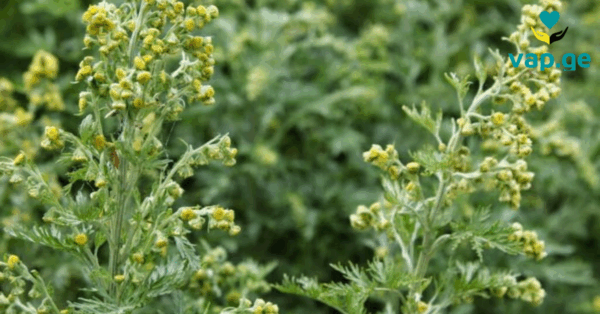
Wormwood (commonly known in Georgian as абзинда, “абзинда” or “absinthe”) is often hailed as one of the most powerful natural remedies for quickly restoring balance when the body falls ill. According to traditional herbal practices, treating the body with wormwood helps cleanse it from harmful organisms (protozoa such as Trichomonas, Chlamydia, Herpes, Candida, Giardia, Echinococcal infections), cures insomnia and nervous disorders, and restores metabolism—leading to the disappearance of obesity and excess weight.
This so-called “worm (absinthe) therapy” is believed to relieve nearly all inflammatory processes, especially when the digestive and reproductive systems are affected. Traditionally, wormwood is used in the treatments of:
Gynecological disorders
Prostatitis
Urethritis
Skin conditions
Stomach and intestinal disorders
Liver, pancreas, kidney ailments
And many other health problems
Below is the traditional 7‑day protocol often proposed:
Traditional 7‑Day Wormwood Treatment Protocol
Dosage Schedule
Days 1–3: Every 2 to 2.5 hours, take a pinch of dried wormwood (the smallest possible amount). Place that pinch in your mouth, moisten with saliva, and then swallow with water—usually around mealtimes.
Days 4–7: Increase to 5–6 times daily (i.e. roughly every 2 to 3 hours).
Night is taken as a rest period (no dosing).
It is important that the breaks between doses do not exceed 2.5 hours during the waking periods.
Throughout the 7 days, a very strict diet is observed.
Dietary Restrictions
During the therapy period, absolutely forbidden:
All animal meats and fish
All dairy products and eggs
All sweets, pastries, and confectionery
You should also avoid alcohol and stop smoking entirely. The claim is that cigarette smoking diminishes the effect by up to one-third.
Allowed foods:
Vegetables
Fruits
Nuts
Grains
Plant oils
Potatoes
Bread is limited to 2–3 small slices per serving (but not fresh bread)
Expected Reactions
During the treatment, one may experience:
Strong weakness and fatigue
Possible flare-ups or exacerbations of known or hidden conditions
Temporary aches or pain in joints (viewed as part of “deep cleansing”)
It is especially emphasized that this “polytherapy” is strictly contraindicated for pregnant women and people suffering from anemia.
Scientific Perspective, Safety, and Warnings
While the traditional text makes bold claims, modern scientific research shows a more nuanced picture. Wormwood (in scientific name Artemisia absinthium) has been used historically in herbal medicine—and indeed shows some promising biological properties—but also carries significant risks, especially if misused.
utep.edu
+3
Medical News Today
+3
Healthline
+3
Reported and Investigated Properties
Some of the historically and scientifically cited actions of wormwood include:
Antiparasitic: Traditional use includes expelling intestinal worms and parasites. Some laboratory and animal studies support possible efficacy against certain parasites.
Verywell Health
+2
Medical News Today
+2
Improving digestion, stimulating appetite: Wormwood bitterness may stimulate gastric and biliary secretions, aiding digestion.
Medical News Today
+1
Anti-inflammatory / analgesic: Some extracts have been tested for reducing joint pain (e.g. in osteoarthritis) with mixed results.
Verywell Health
+1
Antimicrobial, antifungal: Some lab studies show activity against bacteria and fungi (e.g. Candida) in vitro.
Verywell Health
+2
Vinmec International Hospital
+2
Antioxidant: The plant contains compounds (flavonoids, phenolic acids) that may combat oxidative stress.
Medical News Today
+1
Protecting against digestive inflammation: Some preliminary studies suggest potential benefit in inflammatory bowel conditions like Crohn’s disease.
Medical News Today
However, many of these benefits are based on in vitro, animal, or small-scale human studies. The strong claims of treating all these conditions rapidly in humans via the regimen you described are not supported by robust clinical evidence.
Major Safety Concerns & Contraindications
Wormwood contains a compound called thujone, which is neurotoxic in high doses. The presence of thujone is central to most of the herb’s risks.
Health
+4
Healthline
+4
Medical News Today
+4
Some of the known or reported adverse effects and risks include:
Neurological effects: Thujone may cross the blood–brain barrier and cause convulsions, hallucinations, tremors, seizures in high doses.
Health
+3
Medical News Today
+3
Tua Saúde
+3
Kidney toxicity: Excessive use or ingestion of wormwood (especially essential oil forms) has been associated with kidney damage or failure.
Health
+2
utep.edu
+2
Gastrointestinal irritation: Nausea, vomiting, abdominal pain may occur.
yourcareeverywhere.com
+1
Liver and metabolic stress: Because of potential toxicity, the liver may be stressed—ironically, the very organ such regimens often aim to “cleanse.”
Uterine stimulation, risk of miscarriage: The herb may stimulate uterine contractions, so it is strongly contraindicated in pregnancy.
yourcareeverywhere.com
+3
utep.edu
+3
Medical News Today
+3
Epilepsy / seizure disorders: People with seizure conditions should avoid wormwood due to risk of lowering seizure threshold.
yourcareeverywhere.com
+2
Medical News Today
+2
Allergic reactions: Especially for people allergic to plants in the Asteraceae family (e.g. ragweed, marigolds).
yourcareeverywhere.com
+1
Drug interactions: Wormwood may interfere with anticoagulants (e.g. warfarin) and anticonvulsant medications, increasing bleeding risk or reducing seizure control.
yourcareeverywhere.com
+2
Health
+2
Duration limit: Herbal practitioners typically warn against using wormwood continuously for more than a few days or weeks.
utep.edu
+2
Medical News Today
+2
Because of these risks, self-administering aggressive wormwood protocols, especially the one you describe with frequent dosing and strict diet, is potentially dangerous.
Clinical Evidence and Gaps
While some small human studies (e.g. in Crohn’s disease) have shown promise, larger, well-controlled trials are lacking.
EBSCO
+1
The traditional claims of curing viral infections (herpes, chlamydia), autoimmune disorders, metabolic reset, etc., are not substantiated in rigorous modern clinical research.
The idea of “deep cleansing” of the body with dramatic detox protocols remains controversial in mainstream medicine, and many such regimens carry risk if misused.
English Translation + Expanded 1,200‑Word Version
Below is a more polished and expanded version of your text in English, incorporating context, risks, and caveats.
“Wormwood is a remedy for many diseases!
Wormwood (also called absinthe or Artemisia) is regarded as the most powerful tool for rapidly restoring health. According to traditional herbal systems, treating the body with wormwood purges it of harmful organisms—protozoa such as Trichomonas, Chlamydia, Herpes viruses, Candida, Giardia, even Echinococcus infections. Wormwood is said to cure insomnia, nervous disorders, and restore metabolism—leading to reduced obesity and shedding of excess weight.
Traditional “wormwood therapy” is believed to relieve nearly all inflammatory processes, especially in the digestive and reproductive systems. Wormwood is used (in folk practice) in the management of:
Gynecological disorders
Prostatitis and inflammation of the prostate
Urethritis
Skin diseases
Stomach and intestinal disorders
Liver, pancreas, kidney conditions
And many other ailments
Here is a widely circulated 7‑day regimen:
Treatment Course (7 days)
Days 1–3: Every 2 to 2.5 hours during waking hours, take a tiny pinch of dried wormwood (the smallest amount possible). Put it in the mouth, moisten with saliva, then swallow with water—typically around mealtimes.
Days 4–7: Increase to 5–6 doses per day (about every 2–3 hours).
Nighttime is a rest period—no dosing overnight.
Breaks between doses should never exceed 2.5 hours.
During the entire course, adhere to a very strict diet.
Dietary Rules
Absolutely avoid all meats and fish, all dairy and eggs, and any sugary or baked goods or confectionery.
Alcohol is strictly forbidden; smoking is also disallowed, since (according to the traditional text) it reduces the effect by as much as one third.
Allowed foods include vegetables, fruits, nuts, grains, plant oils, potatoes, and limited non‑fresh bread (2–3 small slices per serving).
Possible Reactions
It is said that during treatment one may suffer strong weakness, fatigue, or flare-ups of preexisting or hidden illnesses.
Temporary joint pains or aches may occur—interpreted as part of “deep cleansing.”
This system strongly emphasizes that wormwood therapy is absolutely contraindicated in pregnancy, and is not recommended for individuals with anemia.
Modern Perspective, Risks, and Cautionary Notes
Wormwood (Artemisia absinthium) indeed has a long history in herbal medicine, and contains biologically active compounds. But its use is not without serious risks, especially when applied in aggressive self‑treatment regimens.
Biological Activities Backed by Some Research
Wormwood has been used traditionally as an antiparasitic herb. Some lab and animal studies support its capability to combat certain parasites.
The bitter compounds in wormwood may stimulate digestive secretions, bile flow, and appetite.
It has some anti-inflammatory and analgesic potential, especially topically in small studies of joint conditions.
The plant has antimicrobial or antifungal effects in laboratory settings against various pathogens including Candida.
Compounds inside wormwood act as antioxidants, which may neutralize free radicals.
Some early studies suggest possible benefit in gut inflammation (e.g. Crohn’s disease) by reducing symptoms.
However, these properties do not validate the sweeping claims of effectively curing the multitu