One of the Healthiest Berries: Disease Prevention and Heart Support with Blackcurrants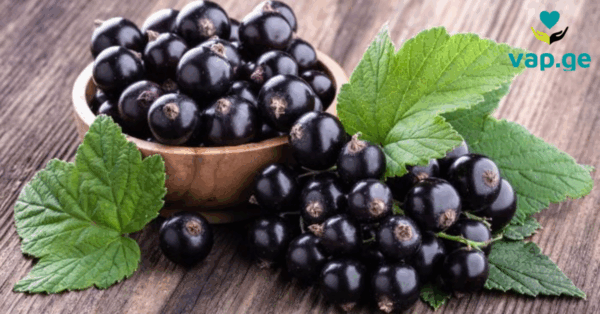
When it comes to summer fruits that are both delicious and powerfully beneficial for your health, blackcurrants rank near the top. Doctors and nutrition experts agree: this small, dark berry is packed with nutrients, antioxidants, and medicinal properties that can help prevent disease, support the heart, and protect long-term health.
According to medical professionals, blackcurrants are among the healthiest berries of the summer season, and the best part is—they grow in many people’s own gardens. While they may not always receive the spotlight like blueberries or strawberries, blackcurrants are quietly making a name for themselves as a “superberry” in the world of nutrition.
Let’s explore why blackcurrants are gaining global recognition, what the science says, and how you can benefit from them—whether fresh, frozen, or dried.
Blackcurrants: The “Vitamin Bomb” Berry
Blackcurrants (Ribes nigrum) are sometimes called a “vitamin bomb” due to their extremely high concentration of vitamin C, vitamin A, vitamin E, and various B vitamins. In fact, just one serving of blackcurrants can provide up to four times the recommended daily intake of vitamin C.
This makes blackcurrants one of the most nutrient-dense fruits you can consume—and a natural ally in strengthening the immune system, preventing infections, and reducing inflammation.
Some of the key nutrients found in blackcurrants include:
Vitamin C – immune system support, collagen production, skin and joint health
Anthocyanins – antioxidant compounds that give blackcurrants their dark purple color
Omega-6 fatty acids (gamma-linolenic acid) – rare in fruits, supports heart and skin health
Potassium – blood pressure regulation and cardiovascular function
Iron and copper – important for red blood cell production and brain function
Soluble fiber – supports digestion, helps regulate blood sugar and cholesterol
Due to this potent combination, blackcurrants are considered a functional food—a food that not only provides nutrition but actively supports health and may help prevent disease.
Why Experts Call It a Superberry
In the United Kingdom, blackcurrants have been given the prestigious label of “superberry”, following years of scientific research into their effects on human health.
Researchers have studied blackcurrants extensively and have concluded that regular consumption of this berry may:
Prevent or reduce the risk of cancer
Protect against heart disease and high blood pressure
Stabilize blood sugar levels, potentially lowering the risk of diabetes
Improve cognitive function and protect the brain from age-related decline
These findings are backed by numerous studies conducted in Europe and Asia. For instance, research has shown that the anthocyanins in blackcurrants can reduce oxidative stress, improve blood vessel function, and lower markers of inflammation—all of which are factors in cardiovascular disease and cancer development.
Blackcurrants and Heart Health
Blackcurrants contain a powerful set of antioxidants that protect the heart and vascular system. Their high anthocyanin content (particularly delphinidin and cyanidin) improves blood flow, reduces arterial stiffness, and lowers bad LDL cholesterol levels while increasing good HDL cholesterol.
In one study, people who consumed blackcurrant extract showed improved blood circulation, reduced inflammation, and lower blood pressure.
These heart-protective properties are especially beneficial for older adults or individuals with a family history of cardiovascular issues.
Cancer Prevention Potential
Perhaps most impressive is the potential role blackcurrants may play in cancer prevention. Lab studies have shown that compounds in blackcurrants may:
Inhibit the growth of cancer cells
Block DNA mutations
Enhance the body’s natural detoxification processes
Protect cells from oxidative damage
While more human studies are needed to confirm these results on a large scale, early evidence is promising. Blackcurrants are not a cure for cancer, but their inclusion in a healthy diet may help reduce overall risk when combined with other healthy lifestyle choices.
Protecting the Brain and Supporting Aging
Doctors are especially excited about the benefits of blackcurrants for older adults. As we age, oxidative damage and inflammation can affect brain function, leading to memory loss, cognitive decline, and neurodegenerative diseases like Alzheimer’s.
Blackcurrants contain polyphenols and flavonoids that have been shown to support brain health, improve mood, and reduce mental fatigue. In particular, blackcurrant extract may help regulate dopamine and serotonin levels, which are critical for emotional well-being and focus.
Regular consumption may help preserve brain function and delay the effects of aging on the nervous system.
Blood Sugar and Diabetes Prevention
Another major benefit of blackcurrants is their effect on blood sugar control. The soluble fiber and low glycemic index of blackcurrants help slow the absorption of sugars into the bloodstream. Additionally, the antioxidants in the fruit have been shown to improve insulin sensitivity.
This means that blackcurrants can be a good option for people with pre-diabetes or those looking to prevent the onset of type 2 diabetes. They can also be a smart snack choice for people already managing diabetes, especially when consumed fresh or frozen—rather than in high-sugar jams or preserves.
Fresh or Frozen: The Best Way to Consume
Many people enjoy blackcurrants in jam, jelly, or syrup form—but while these products are tasty, they’re often loaded with sugar and lack the full nutritional value of the fresh berry.
Experts recommend consuming fresh or frozen blackcurrants whenever possible. These forms retain the majority of the fruit’s nutrients and antioxidants without added sugars.
Some easy ways to include blackcurrants in your daily diet:
Add to smoothies or yogurt
Mix into oatmeal or cereal
Blend into sauces for meats or desserts
Freeze into ice cubes and add to sparkling water
Make unsweetened blackcurrant tea or infusion
Remember: processing reduces potency—so for the best results, choose blackcurrants in their most natural form.
Who Should Avoid Blackcurrants?
While blackcurrants are safe for most people, a few precautions are worth noting:
Blackcurrants are high in vitamin K, which may interfere with blood thinners like warfarin—consult your doctor if you’re on such medications
Some people may experience allergic reactions (though rare)
Blackcurrant supplements or extracts should be taken with caution and ideally under professional supervision
Always start with a small amount if you’re trying them for the first time.
Final Thoughts: A Powerhouse in Your Garden
Blackcurrants are more than just a tasty summer berry—they are a nutrient powerhouse that supports nearly every major system in your body. From heart health and brain protection to cancer and diabetes prevention, the humble blackcurrant has earned its place among the world’s healthiest fruits.
And the best part? Many people have them growing right in their own backyard.
With such wide-ranging benefits, there’s no better time to start including blackcurrants in your daily routine. Whether you enjoy them raw, frozen, or in healthy homemade recipes, your body—and especially your heart—will thank you